Translated with AI from the Russian original.
AMO Stal company installed nine of its AMO-S robots at the TREK auto parts plant in Miass. The enterprise produces suspension parts for cars and turned to developers for automation. The plant expanded automation to nine machines, but engineers faced difficulties integrating robots into production.
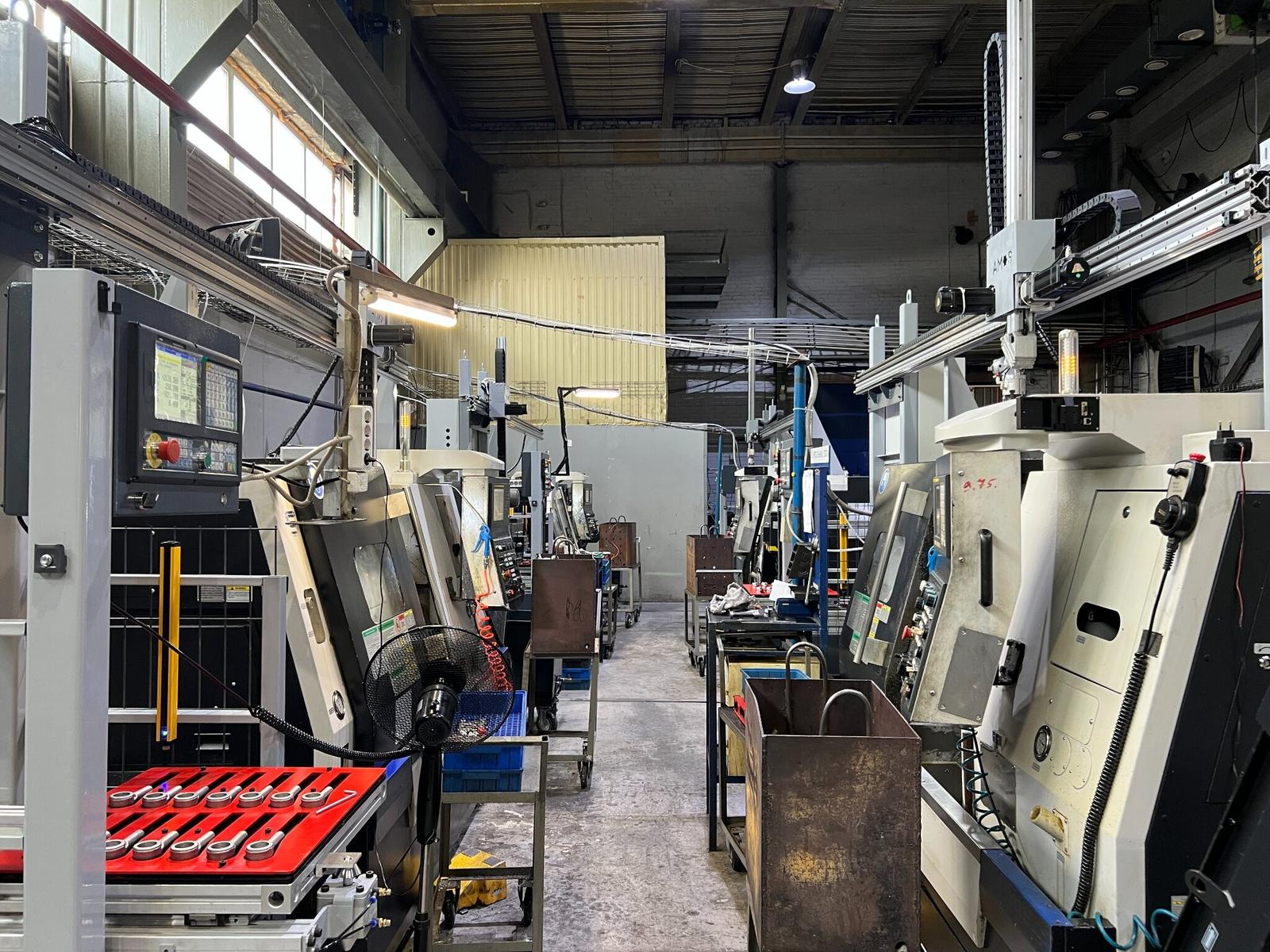
The first challenge was the human factor: operators flipped the blanks, and the robot clamped the part from the wrong side. The problem was solved with the help of protective nets and laser curtains. The second problem was empty runs when operators forgot to load blanks. Sensors were installed on the grippers – now the robot "understands" whether it has picked up a part or not. The third challenge was stopping the machine when changing parts. A double rotary table was installed: when blanks run out on one, the robot changes tables and continues working. Autonomous operation time increased to 30–40 minutes.
Currently, AMO Stal and TREK are working on automating other parts and implementing quick-change grippers. The retooling time is planned to be reduced to 15–20 minutes. The project showed that production automation provides a stable result. Robots do not get tired, do not get distracted, and competent design makes the process safe for personnel.
Read more on the topic:
- For the production of onboard avionics for Su-27, Su-30 and Su-35 fighters: 4 industrial robots were delivered to the "Tekhpribor" plant
- Robots were put to work by a 1500°C furnace at the Magnitogorsk plant
- Still Dependent on China: Russia's Industrial Robot Fleet Grows, But Imports Dominate the Market
Never miss our newsAdd this site to your preferred sources to see us more oftenAdd on Google

















