The Russian satellite system "Luch" (part of Roscosmos) transmits significantly more messages within the international COSPAS-SARSAT rescue system. The flow increased almost threefold in the second half of 2025 compared to the beginning of the year – and remains at a high level in the first half of 2026.
Two factors contributed to this. The first is the continuously growing total number of COSPAS-SARSAT radio beacons. They are equipped not only on ships but also on small aircraft – in case of a crash or emergency landing. Tourists also actively use them.
The second factor is the removal of three American low-orbit satellites from the system: NOAA-15, NOAA-18, and NOAA-19.
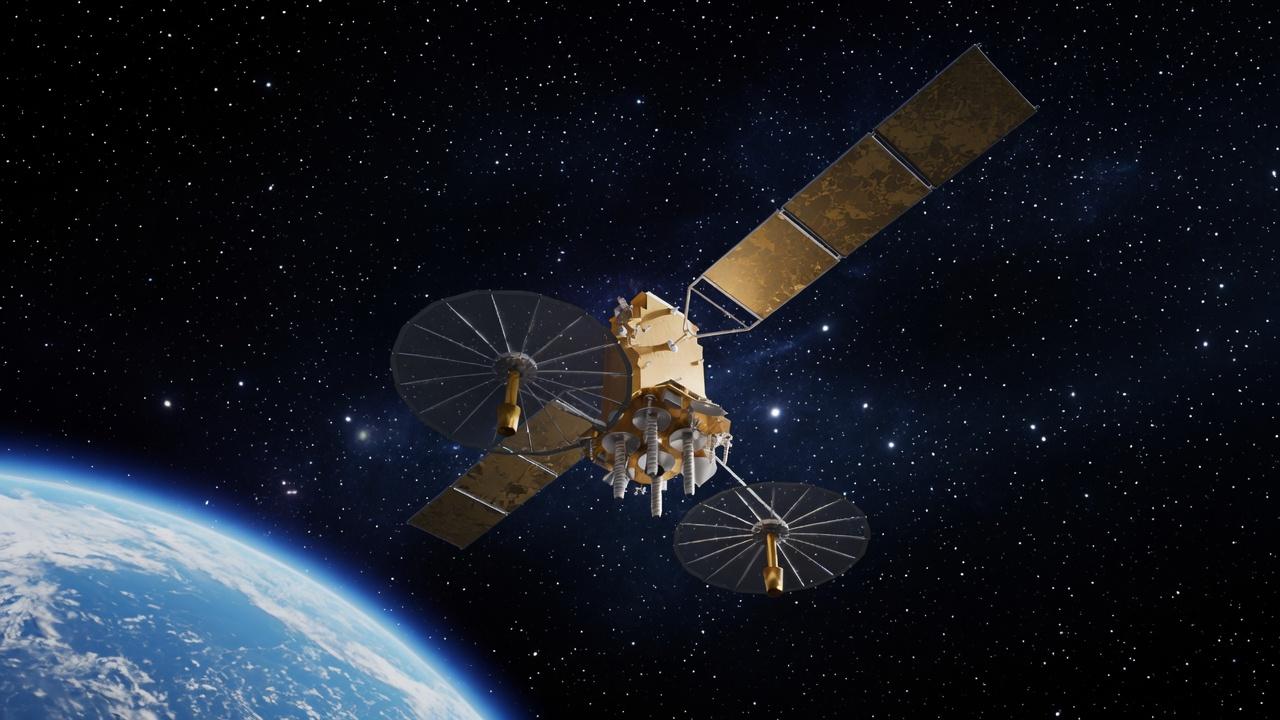
In addition to the Luch satellites, the system also uses Russian Meteor-M No. 2-3 and No. 2-4, Glonass-K, Electro-L No. 2 and No. 3, and Arktika-M No. 1 spacecraft.
"Meteor-M" are low-orbit satellites in a polar orbit, whose main task is meteorological observation and environmental monitoring. They collect data on temperature, cloud cover, ice conditions, and greenhouse gas concentrations.
"Electro-L" are geostationary spacecraft that "hang" over a single point on the equator and continuously monitor a vast sector of the Earth's surface. Their main specialization is round-the-clock weather monitoring, cloud imaging, and tracking cyclones and storms with high temporal resolution.
Read more on the topic:
Never miss our newsAdd this site to your preferred sources to see us more oftenAdd on Google