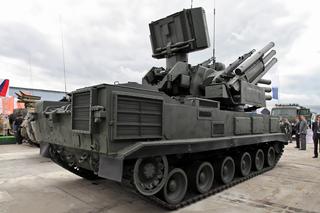
New information has been published about the Russian ZAK-30 "Tsitadel" anti-aircraft artillery system, which can use several types of weapons to combat aerial targets. The information was disclosed in the patent materials of the developers, describing the system's architecture, equipment composition, and operating algorithms.
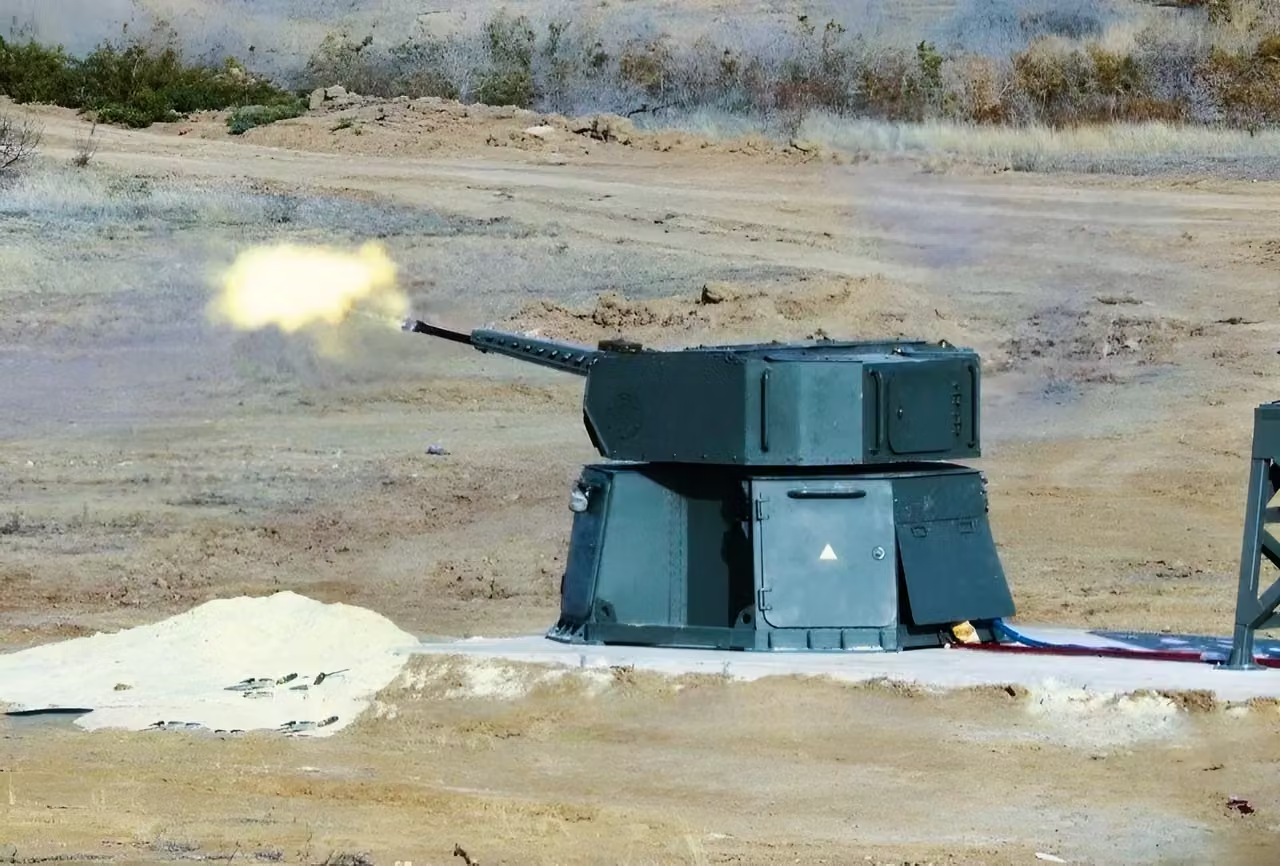
According to the document, the complex includes a launcher with missile and artillery weapons, a command post, a surveillance radar station, a fire control system, and separate target tracking means.
The main feature of "Tsitadel" is its ability to use different weapon options. The complex can include 7.62 and 12.7 mm machine gun modules, a 30 mm automatic cannon with remote detonation ammunition, and vertical launch missiles.
The complex's fire control system is built on the principle of autonomous target engagement. After an aerial object is detected, firing calculations are generated automatically, and each object is tracked individually according to embedded algorithms.
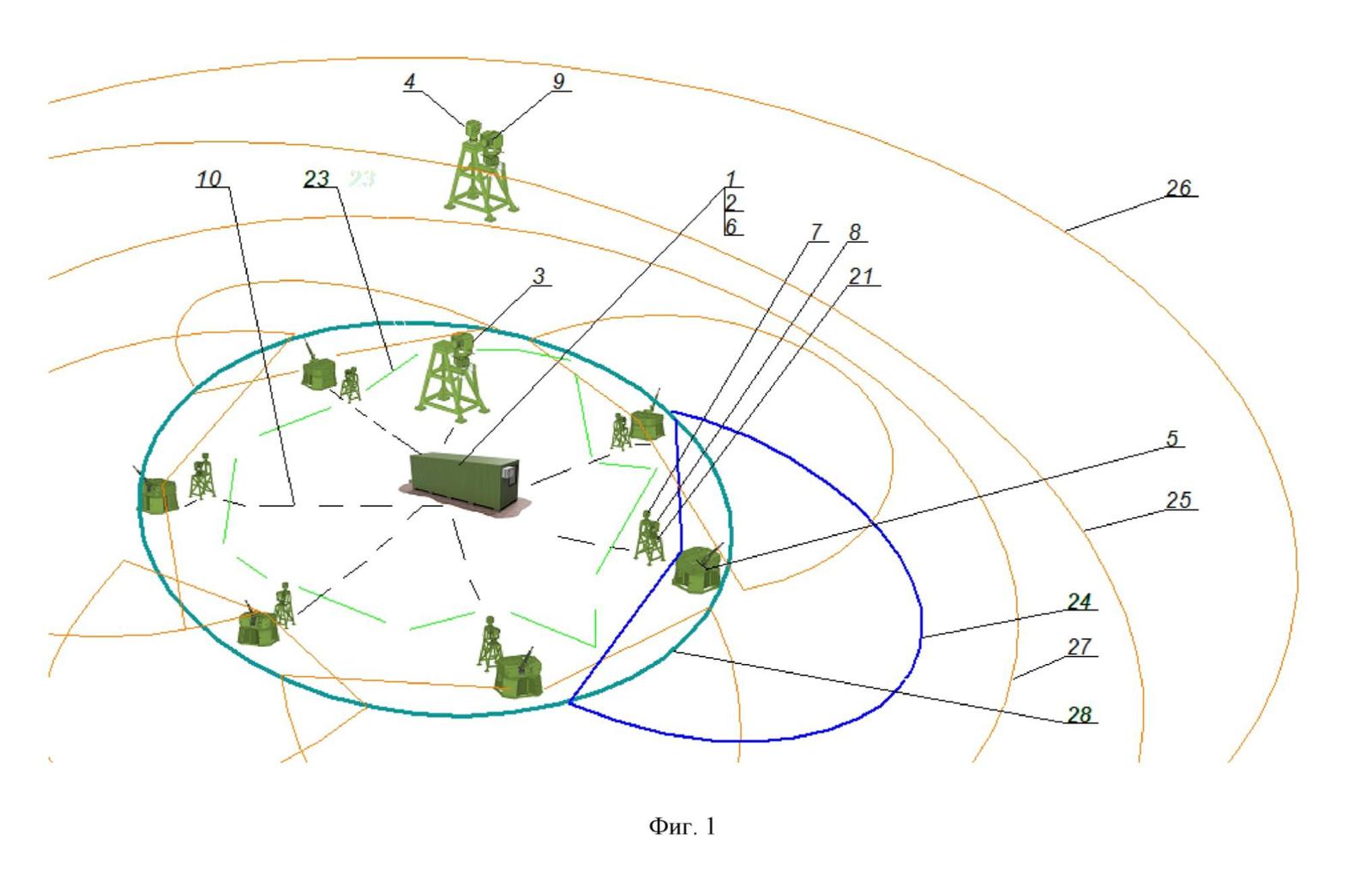
If the first salvo misses the target, the system analyzes the result, takes into account the shot parameters, initial projectile velocity, and deviation magnitude, then adjusts settings for the next attack. If the target re-enters the engagement zone, remote modules continue tracking and perform a new firing cycle.
Another feature of the ZAK-30 "Tsitadel" is its ability to integrate into a common air defense system. The complex can receive target designation from external control means, allowing it to be combined with other anti-aircraft systems and distribute tasks among various air defense elements.
The developers rely on a combination of artillery fire, missile weapons, and automated control, which allows the complex to operate as an independent unit or as part of an echeloned air defense system.
Read more on the topic:
Never miss our newsAdd this site to your preferred sources to see us more oftenAdd on Google