Moscow authorities have acknowledged a systemic failure in the robotization of the capital's businesses. According to RBC, at a round table in the Moscow government, representatives of the city, suppliers, and integrators of robotic solutions noted a paradoxical situation: entrepreneurs' interest in robots is growing, but a significant portion of requests never lead to actual implementation.
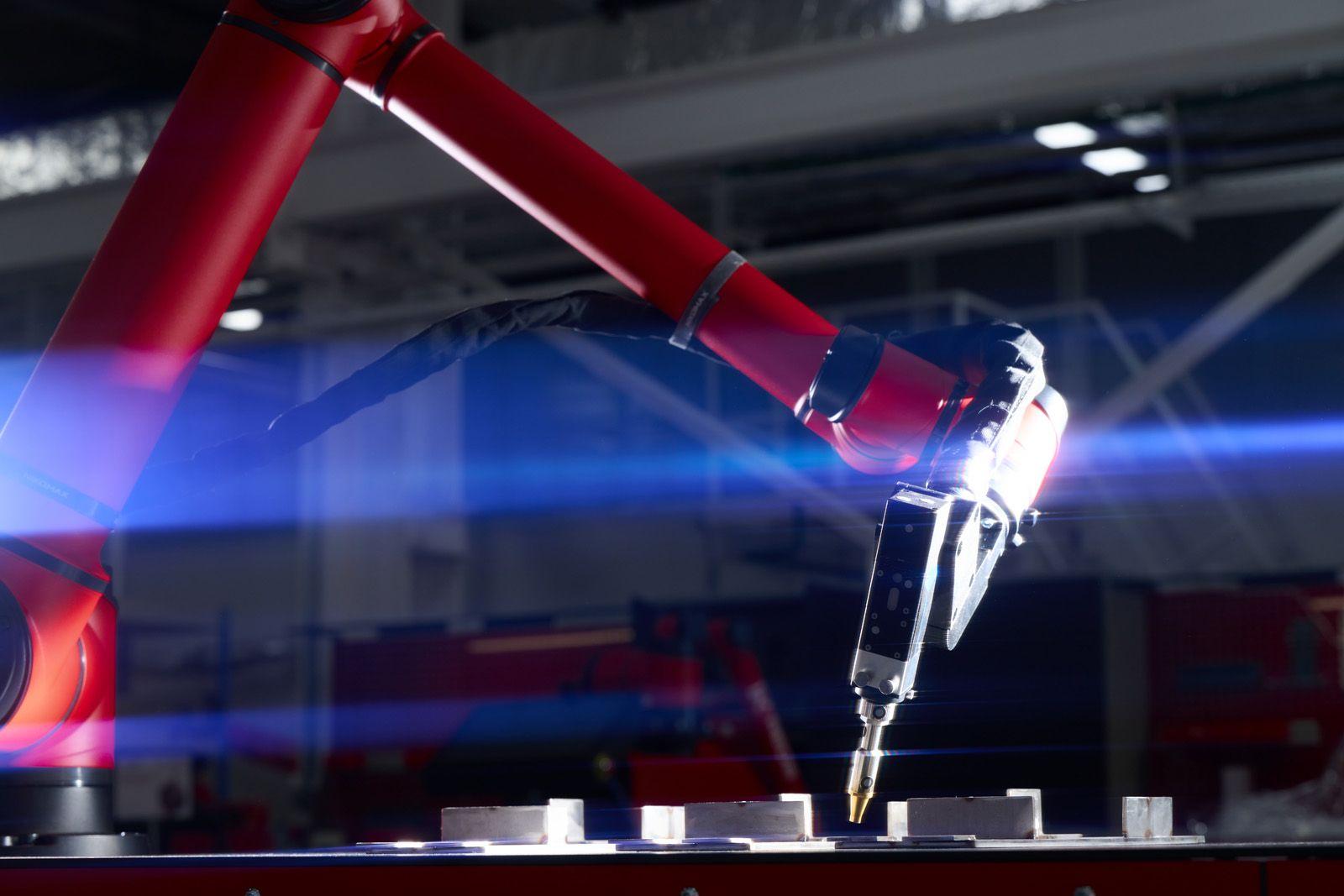
Moscow Deputy Mayor Maria Bagreeva cited a key figure: labor productivity in the capital is 1.7 times higher than the national average, but in conditions of acute staff shortages and rising labor costs, further growth without a technological breakthrough is no longer possible. At the same time, the city's economy is 85% service-based, meaning the potential for robotization lies not only in industry but also in trade, logistics, and transport.
The round table participants identified the main barriers: businesses are poorly informed about existing technologies and successful cases, enterprises lack infrastructure and ready-made serial solutions, and pre-project preparation and process audits are too expensive. Added to this is an acute shortage of full-cycle integrators and engineering personnel. As a remedy, it was proposed to create a unified database of domestic technologies, develop market infrastructure, and establish a constant dialogue between suppliers, integrators, owners, and authorities.
Some of these measures are already being implemented: within the framework of the "Labor Productivity" project, an educational course on robotics and expert support at all stages of implementation has been operating since 2022. A database of more than 250 digital and robotic tools has been formed, as well as a pool of more than 200 verified suppliers and integrators. The economic effect for project participants over four years exceeded 15 billion rubles, but without eliminating systemic barriers, further scaling will face the same obstacles.
Read more on the topic:
Never miss our newsAdd this site to your preferred sources to see us more oftenAdd on Google