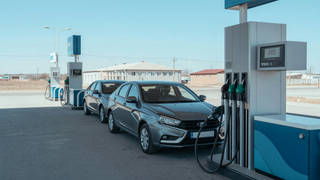
AvtoVAZ revealed a non-obvious reason for the demand for Vesta for marketers. As reported by the plant's press service, the key quality of the model, which buyers appreciate, was the energy intensity of the suspension – the ability to pass irregularities without harsh impacts and breakdowns.
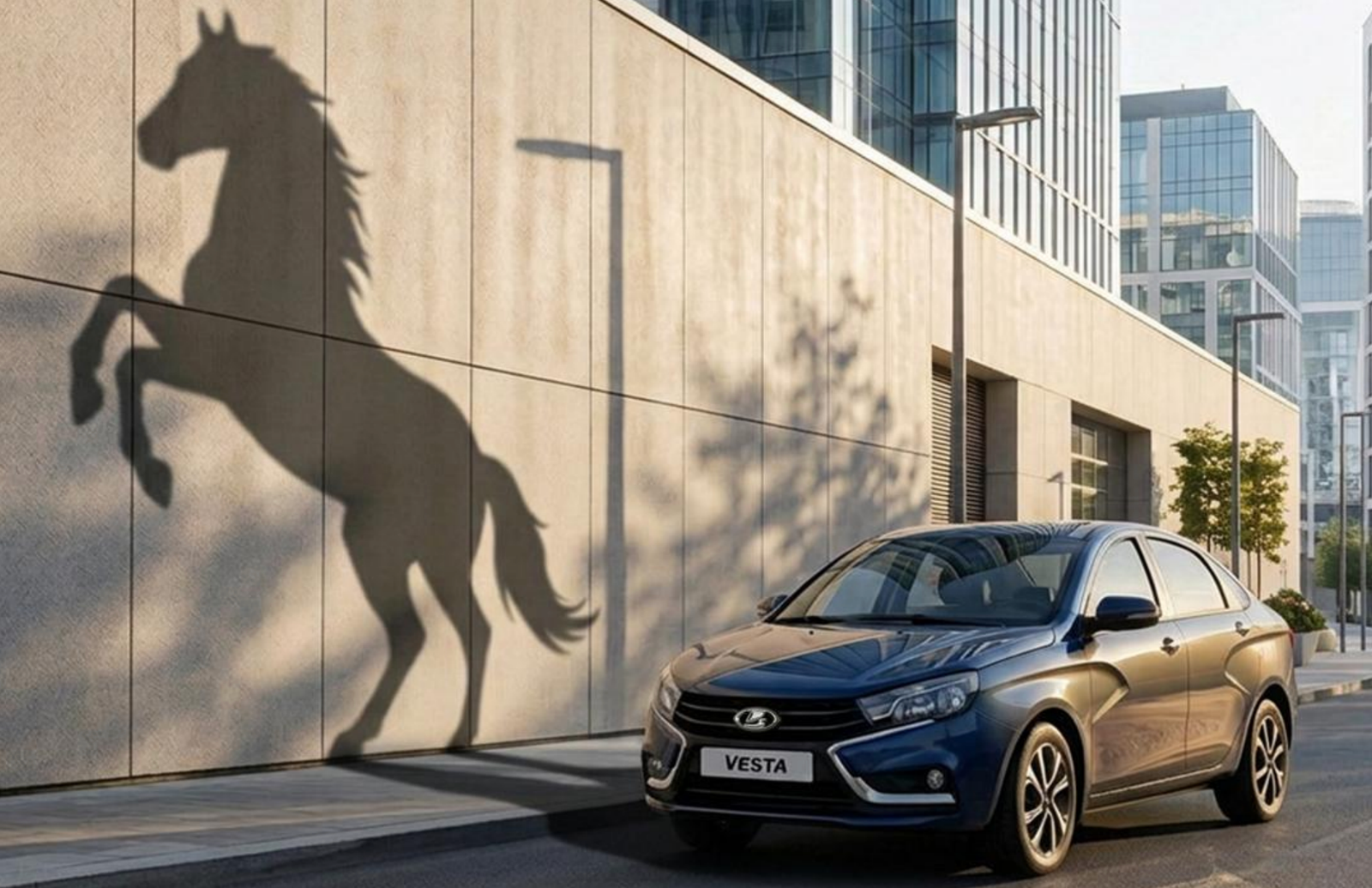
The car's behavior is ensured by a combination of a rigid body, a powerful subframe, and a shortened steering rack. The plant emphasizes: on asphalt, Vesta holds firmly, but its true character is revealed on dirt roads. For a driver accustomed to traffic jams and traffic lights, turning onto a broken country road becomes a revelation – the car does not lose its smooth ride. Add to this a 500-liter trunk and a spacious interior for a B-class car – you get a versatile car for weekend trips with a full load.
The contrast with the previous generation and many classmates here is precisely in the suspension, not in the multimedia. Although it has also improved: since July 1, a version with automatic climate control and LADA Connect Start telematics, which allows remote monitoring of the car's condition, has gone into production. Vesta ceases to be just an affordable sedan and turns into a car that is chosen for how it drives where the asphalt ends.
Read more on the topic:
- Granta for 624 thousand, Aura for 1.8 million: AvtoVAZ rolled out July discounts on the entire model range
- Belgee S50 updated for Russia - details of sedan trim levels revealed
- Lada Vesta became "smarter" and more comfortable: climate control and telematics appeared, but you will have to pay extra for it
Never miss our newsAdd this site to your preferred sources to see us more oftenAdd on Google