Translated with AI from the Russian original.
The main technological problem of Russian civil aviation is the absence of its own TCAS collision avoidance system. Without it, an aircraft cannot obtain permission for commercial flights, regardless of age, model, or degree of localization. This was pointed out in an interview with"Perviy Technicheskiy" by aviation expert, board member of the Association of Small Aviation Enterprises (MalaP), and founder of the flight safety and certification service RunAvia, Andrey Patrakov.
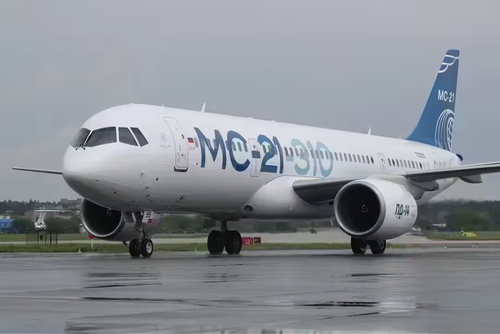
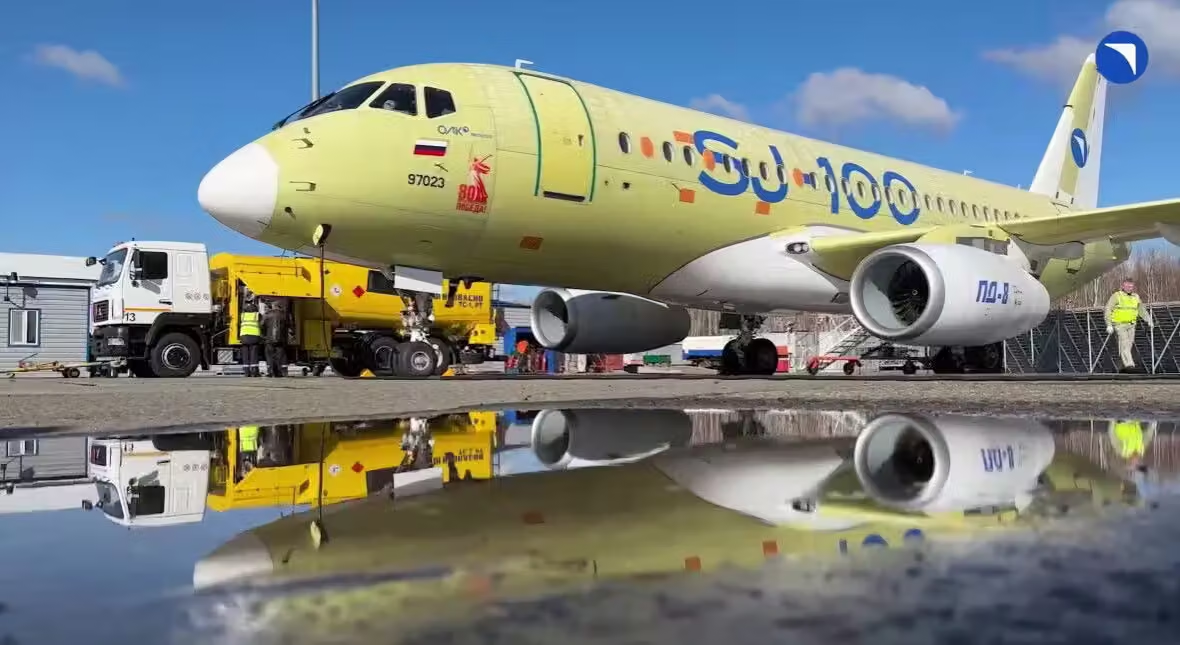
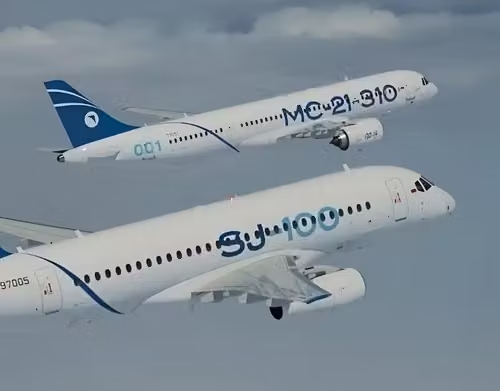
The specialist reminded that the absence of TCAS makes it impossible to return to operation not only aircraft like the Tu-214 in its import-substituted form, but also the newest aircraft created in recent years - the MC-21 and the Superjet SJ-New.
I am sometimes asked, how is it that the Tu-214 was made back in the USSR, and there were no foreign components there. Yes, that was the case, but over time, flight safety requirements have become stricter, and new navigation requirements have emerged.
When there is no TCAS system, the aircraft is prohibited from taking off. There is always a risk of collision in the air - two aircraft could be destroyed at once, or damage could be caused on the ground. This problem concerns any aircraft, regardless of the model, the specialist noted.
The aviation expert expressed the opinion that the root of the problem lies not in the United Aircraft Corporation (UAC, part of Rostec), but in the fact that the import substitution of critical aviation systems actually started too late.
In my memory, it has been in development for about 14 years. Back in 2014, the president gave instructions to start import substitution, and then there was the "Russian Board" project in UAC. Last year was the 10th anniversary of the instruction, but import substitution was not completed. It seems to me that in fact they seriously started working on it in 2023 or 2024.
Patrakov suggested that the situation could be corrected by 2030, the question is only a matter of time and money.
Because this is exactly the time when it will be possible to make single copies and pass certification. But even after receiving these systems, it is one thing to make several prototypes and test them, and another thing to establish mass production. Nine women cannot give birth to a child in a month. You can pay engineers a million dollars to speed up the creation of TCAS, but they will not do it faster until they understand how, until they get the hang of it.
Economist Dmitry Semenov noted that domestic aviation industry enterprises are able toprovide airlines with domestically produced aircraft. However, this will not happen as quickly as we would like - the process may take 5-10 years.
Aviation expert Roman Gusarov also explained to"Perviy Technicheskiy" that the new MC-21s will not be exported in the next 10 years - firstit is necessary to saturate our own airlines.
Read more materials on the topic:
- Russian aircraft engines will have their tests reduced to once with a new approach
Never miss our newsAdd this site to your preferred sources to see us more oftenAdd on Google

















