The biological satellite "Bion-M" No. 2, launched from Baikonur on August 20, has completed its 30-day scientific mission and landed on Earth in the Orenburg region. There were living organisms on board the spacecraft, which will now be delivered to Moscow for further research.
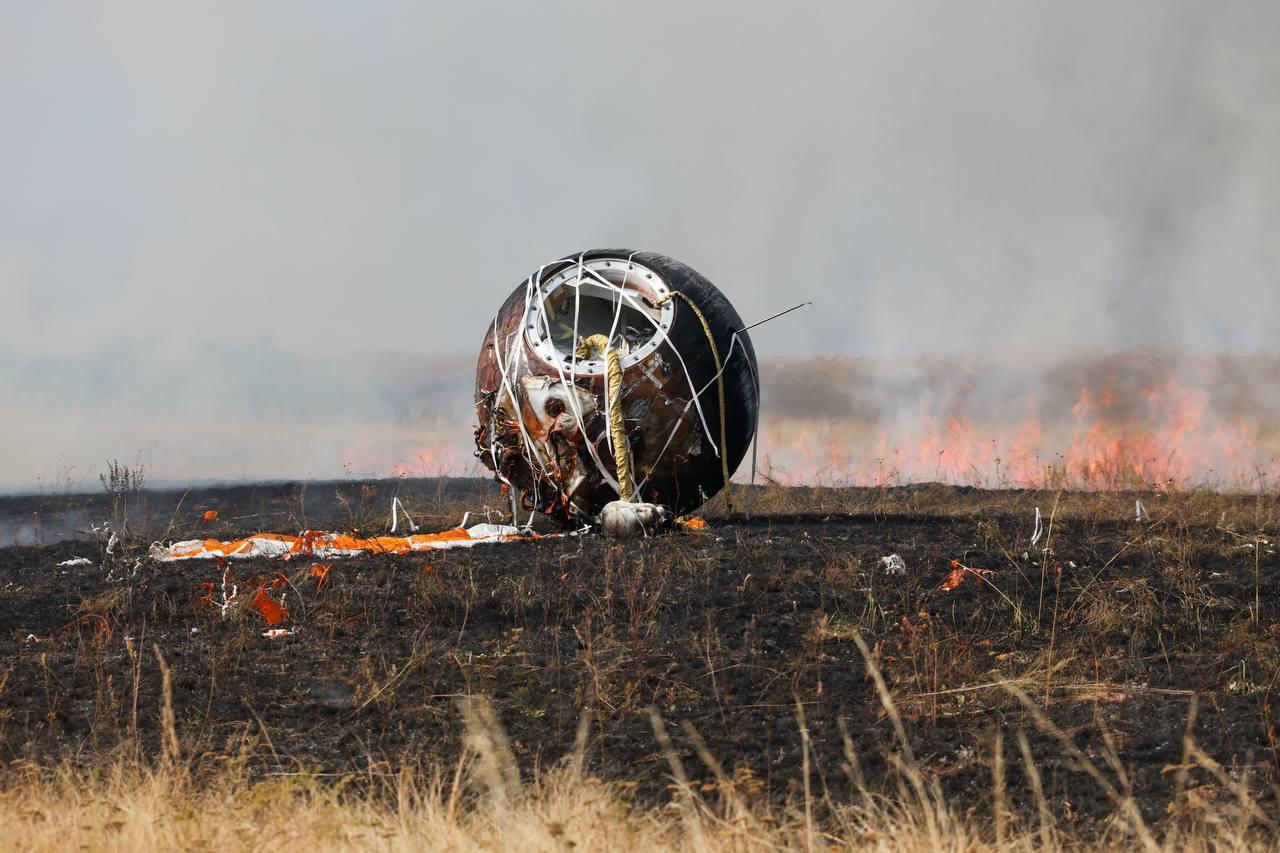
During the flight, the 6.4-ton satellite was in a high-latitude orbit, where the level of cosmic radiation is a third higher than in the ISS orbit. This allowed scientists to study the effect of extreme space conditions on biological objects.
On board were 75 laboratory mice, about 1,500 drosophila, plants, seeds of grain and leguminous crops, fungi, lichens, and cell samples. Some seeds were the offspring of organisms that had already been in space on the "Bion-M" No. 1 (2013) and "Foton-M" No. 4 (2014) spacecraft, which will allow tracking the long-term effects of space exposure.
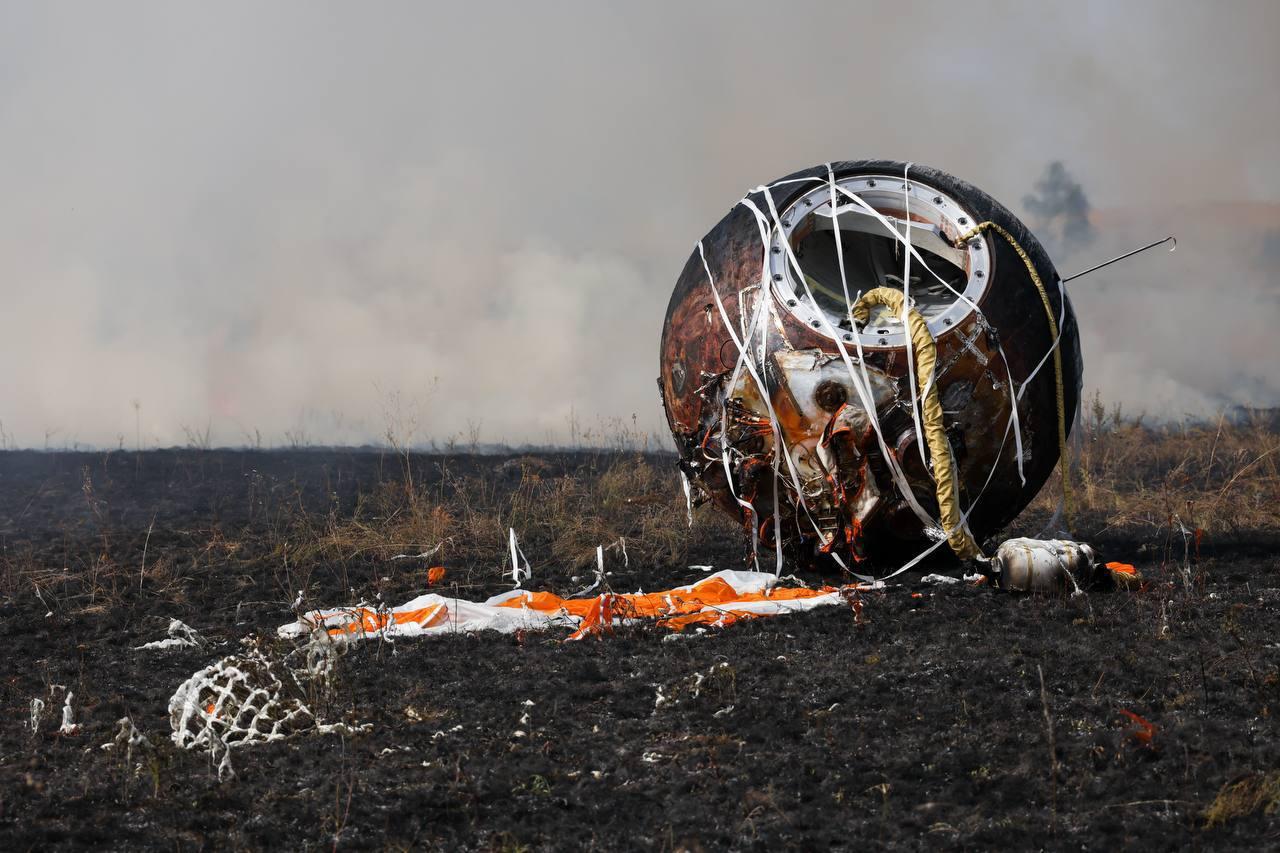
In addition to the internal cargo, a meteorite simulator with living cells is fixed on the outer surface of the satellite. The experiment will test the hypothesis that microorganisms can survive in the thickness of a space body when passing through the Earth's atmosphere.
According to the Institute of Biomedical Problems of the Russian Academy of Sciences, all organisms on board the spacecraft tolerated the flight safely, and their condition was continuously monitored.
Read materials on the topic:
- About 75 mice will fly into space: biosatellite "Bion-M" No. 2 will launch from Baikonur on August 20
- Space mice went into orbit: Soyuz-2.1b with the Bion-M No. 2 biosatellite successfully launched from the Baikonur cosmodrome
- The Soyuz-2.1b rocket with the Bion-M No. 2 biosatellite was installed at Baikonur
Never miss our newsAdd this site to your preferred sources to see us more oftenAdd on Google

















