In 2025, the Almaz-Antey Air and Space Defence Concern doubled the production volumes of S-350 Vityaz and S-400 Triumf anti-aircraft missile systems (SAM), the company's press service reported.
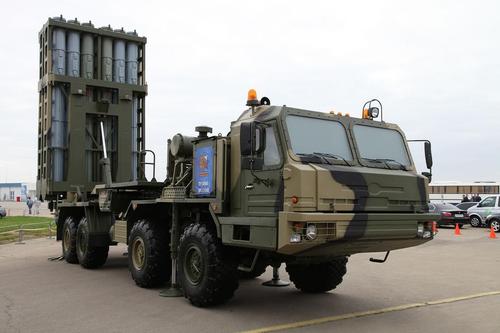
The concern noted that the commissioning of new production facilities allowed not only to deliver part of the equipment to the troops ahead of schedule, but also to increase the production volumes of other types of missile equipment.
In the last year alone, the production volumes of technical equipment for the S-350 Vityaz and S-400 Triumf anti-aircraft missile systems have increased by 2.5 times, and serial production of new types of missile weapons has been mastered.
The S-400 can engage any aerodynamic targets at a distance of 2.5 to 380 km and an altitude of 10 m to 30 km. One division of the complex can simultaneously engage up to ten targets with its twenty missiles.
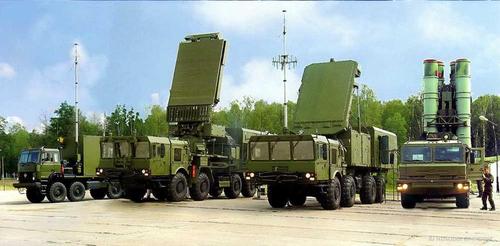
The S-350 carries a package with transport and launch containers (TPK) of short-range (10-15 km) and medium-range (from 40 to 120 km) missiles on one launcher.
Earlierwww1.ru reported thatthe frigate "Admiral Golovko" launched a hypersonic "Zircon" in the Barents Sea guided by Tu-142.
Read also:
- Not to be scrapped: missile cruiser "Admiral Nakhimov" completed the first stage of testing
- A batch of new Su-34 fighters was handed over to the Russian Aerospace Forces
- Rostec's subsidiary company filed a lawsuit for 300 million rubles
Never miss our newsAdd this site to your preferred sources to see us more oftenAdd on Google