The Russian multi-functional drone MiS-150 has surpassed the analog "Baba Yaga" in flight speed, according to the MiS design bureau.
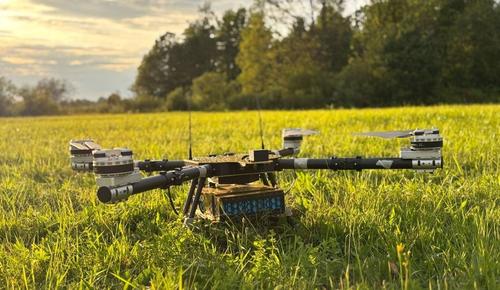
During flight tests, the MiS-150 managed to accelerate to 60 km/h with a load of 10 kg. According to GPS measurements, the speed was 59.7 km/h, which is 15-20 km/h faster than the "Baba Yaga".
The high cruising speed allows the MiS-150 to cover large distances as efficiently as possible, and also increases the machine's survivability in combat conditions.
The drone is also capable of liftingup to 25 kg of payload, which turns it into a reconnaissance and strike platform with a 1PN86BVI "Mulat-115" thermal imaging sight and a Metis-M1 anti-tank missile system (ATGM).
At the same time, the MiS-150 is already equipped with two TM-62M mines for striking at fortification hubs. The effective range of the MiS-150 is up to 20 km.
Read also:
Foreign customer was not satisfied with the color of the Russian Su-34E fighters
Named the key Russian combat aircraft
Su-27 fighter drove away the American F-15 from the Tu-22M3 bomber: a video appeared
Never miss our newsAdd this site to your preferred sources to see us more oftenAdd on Google