Translated with AI from the Russian original.
A laboratory for assessing the quality of mixed nitride uranium-plutonium (MOX) fuel has opened at the Siberian Chemical Combine in Seversk, Rosatom's press service reported.
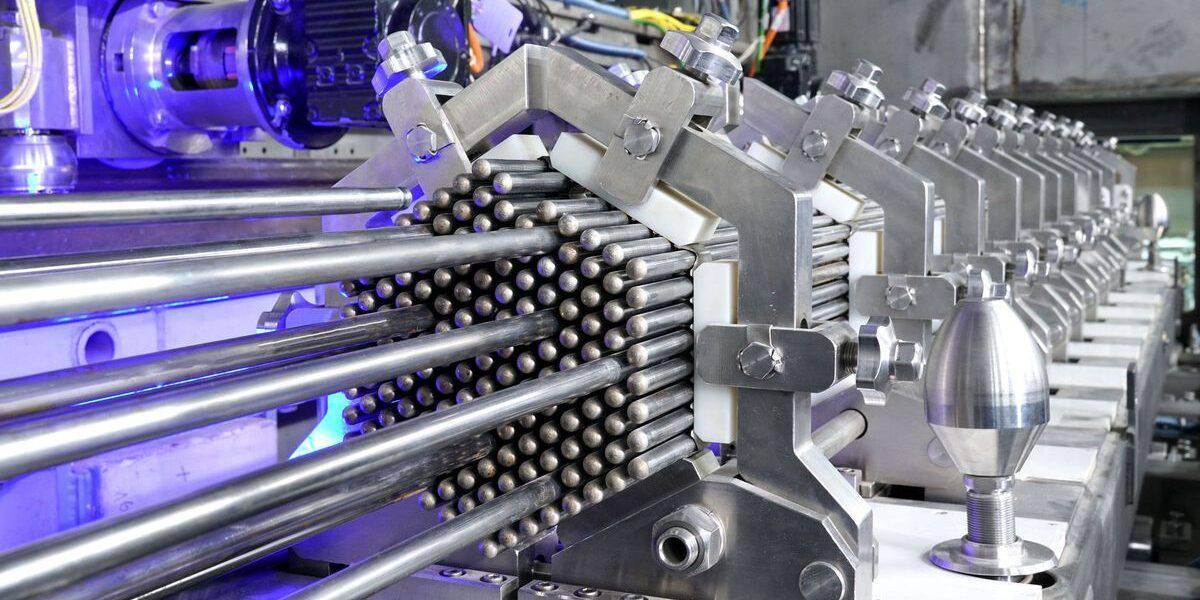
The laboratory is located at the fabrication-refabrication (FR) module of uranium-plutonium fuel for the innovative BREST-OD-300 fast neutron reactor.
This is one of the facilities of the Generation IV Pilot Demonstration Energy Complex (ODEC) within the framework of the strategic project "Proryv" (Breakthrough). The laboratory contains 90 units of high-tech equipment for monitoring MOX fuel at all stages of production.
ODEC also includes a unit with BREST-OD-300 and a module for processing spent fuel. This is a virtually autonomous system independent of external energy supplies.
According to Mikhail Skupov, head of the joint industry project "Development of fuel elements and fuel assemblies with MOX fuel", the experimental station will test an innovative type of fuel for the first time.
Also unique for our country is the chromatographic separation site for mass spectrometry, where sample preparation and measurements are carried out continuously.
Read also on the topic:
Key large-sized components for the future BREST-OD-300 reactor were sent to Seversk
Rosatom plans to obtain silicon carbide fuel rod cladding by 2030
Never miss our newsAdd this site to your preferred sources to see us more oftenAdd on Google

















