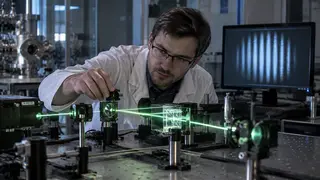
Specialists from the Russian Technological University MIREA have developed a compact program for working with nanotechnologies, which automates the control of magnetic and electric fields.
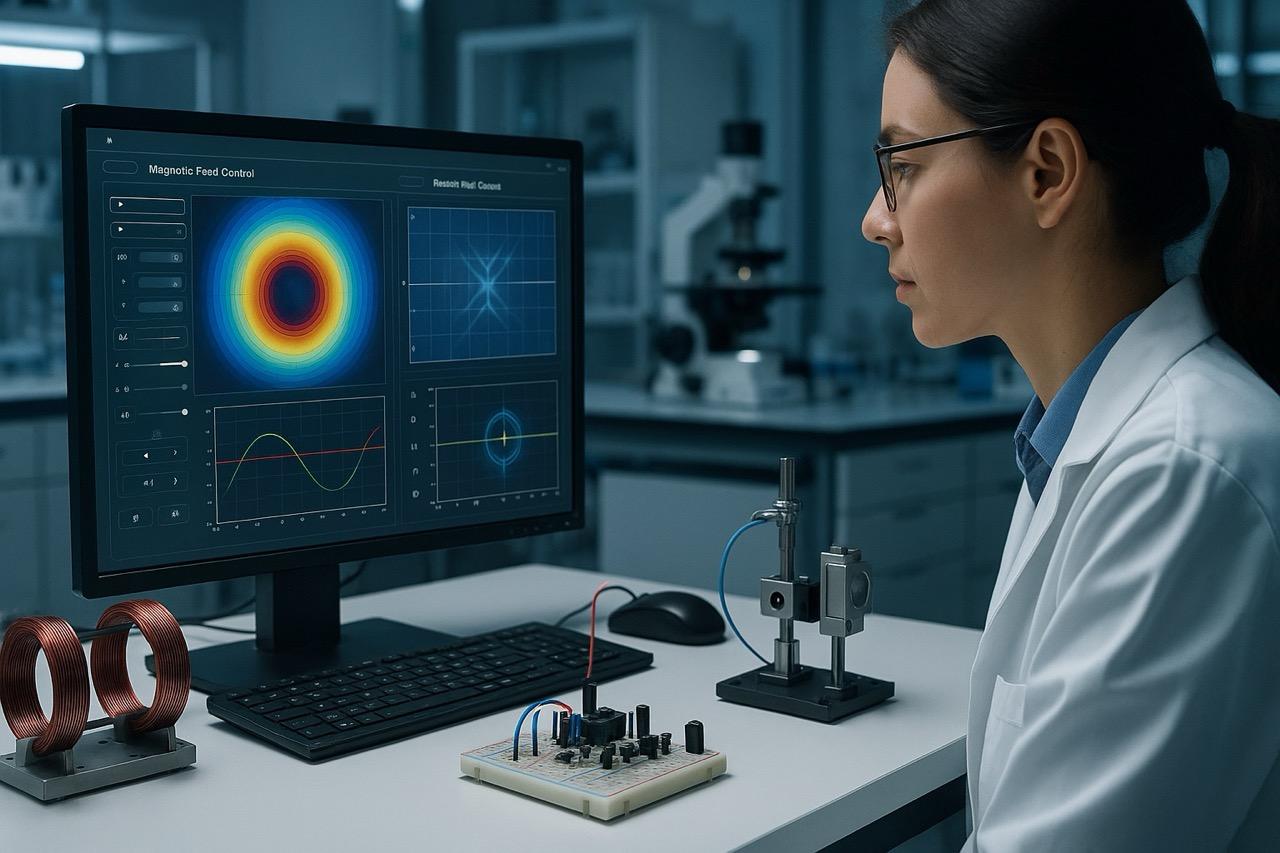
The ministry clarified that the software controls laboratory equipment, regulates field parameters, records data, and runs on a standard computer. According to the developers, this accelerates the creation of new materials, including high-sensitivity sensors and energy-saving electronics.
The program allows changing the direction and magnitude of fields in different modes and saving all measurements in a single file. This provides researchers with a complete picture of the relationships between control parameters and the properties being studied.
Ekaterina Lebedeva, an engineer at the femtosecond optics laboratory for nanotechnologies, noted that the program is capable of simultaneously registering two magneto-optical effects, which provides consistent information about the behavior of magnetic moments in nanostructures.
The size of the installation package does not exceed 200 KB, and the requirements for equipment are minimal - a mid-range computer is sufficient. This makes it possible to abandon bulky equipment and transfer control to a software environment.
Read more materials on the topic:
Russian scientists began developing import-substituted ceramic sensors for microelectronics
Magnetic nanoparticles have learned to "turn on" and "turn off" cells on command of scientists
Never miss our newsAdd this site to your preferred sources to see us more oftenAdd on Google