Translated with AI from the Russian original.
The arrival of new T-gauge cars is an important step in the development of railway infrastructure and increasing the capacity of the RZD network. The cars, which are larger in size, allow more cargo to be transported per trip, which will optimize logistics and reduce transportation costs. Currently, T-gauge cars are being tested on the RZD network.
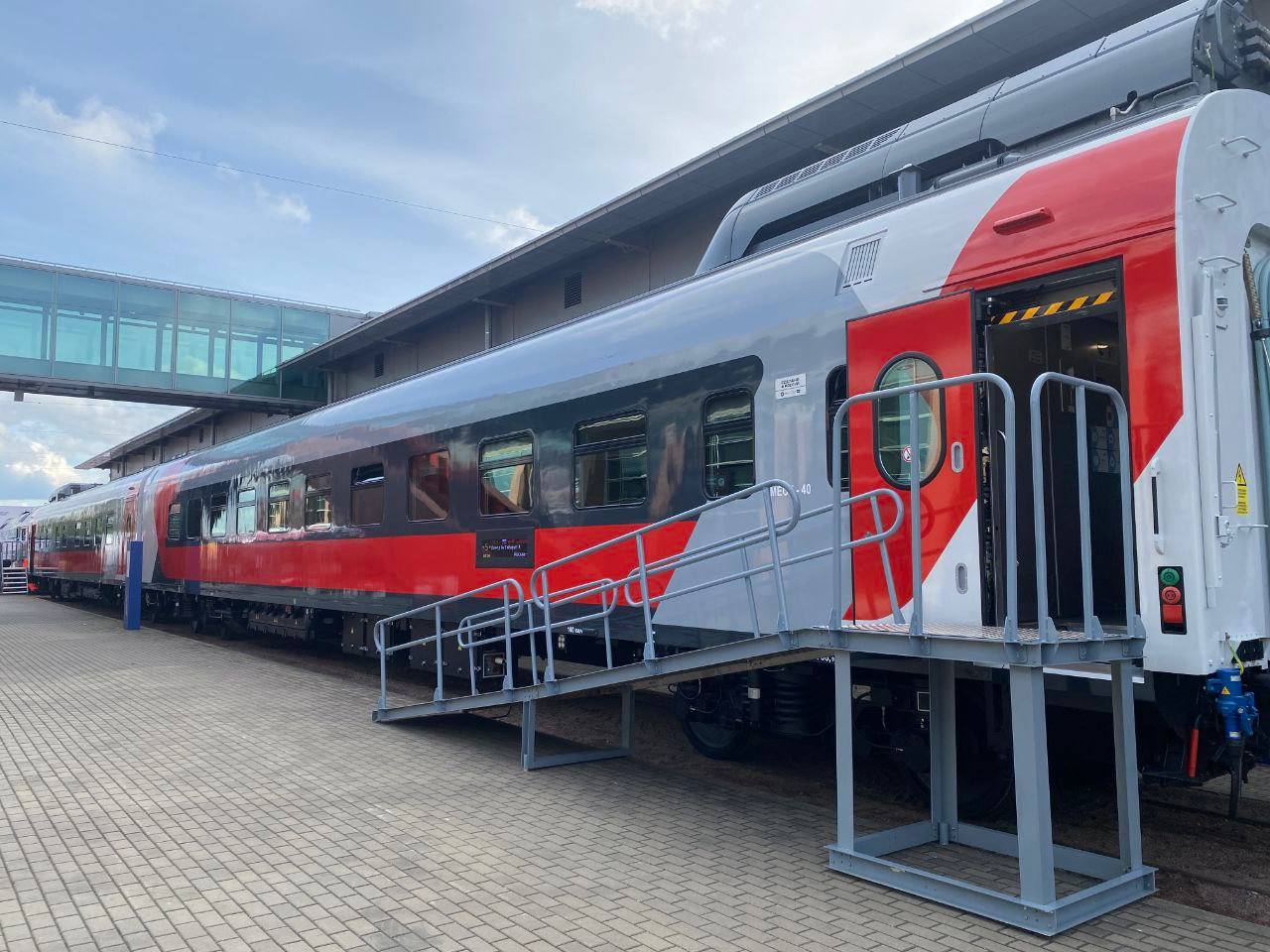
Compartment and staff passenger cars of the new T gauge are 73 cm longer and 28 cm wider than the previous 1-VM gauge. This expansion of space made it possible to increase passenger capacity and improve travel conditions.
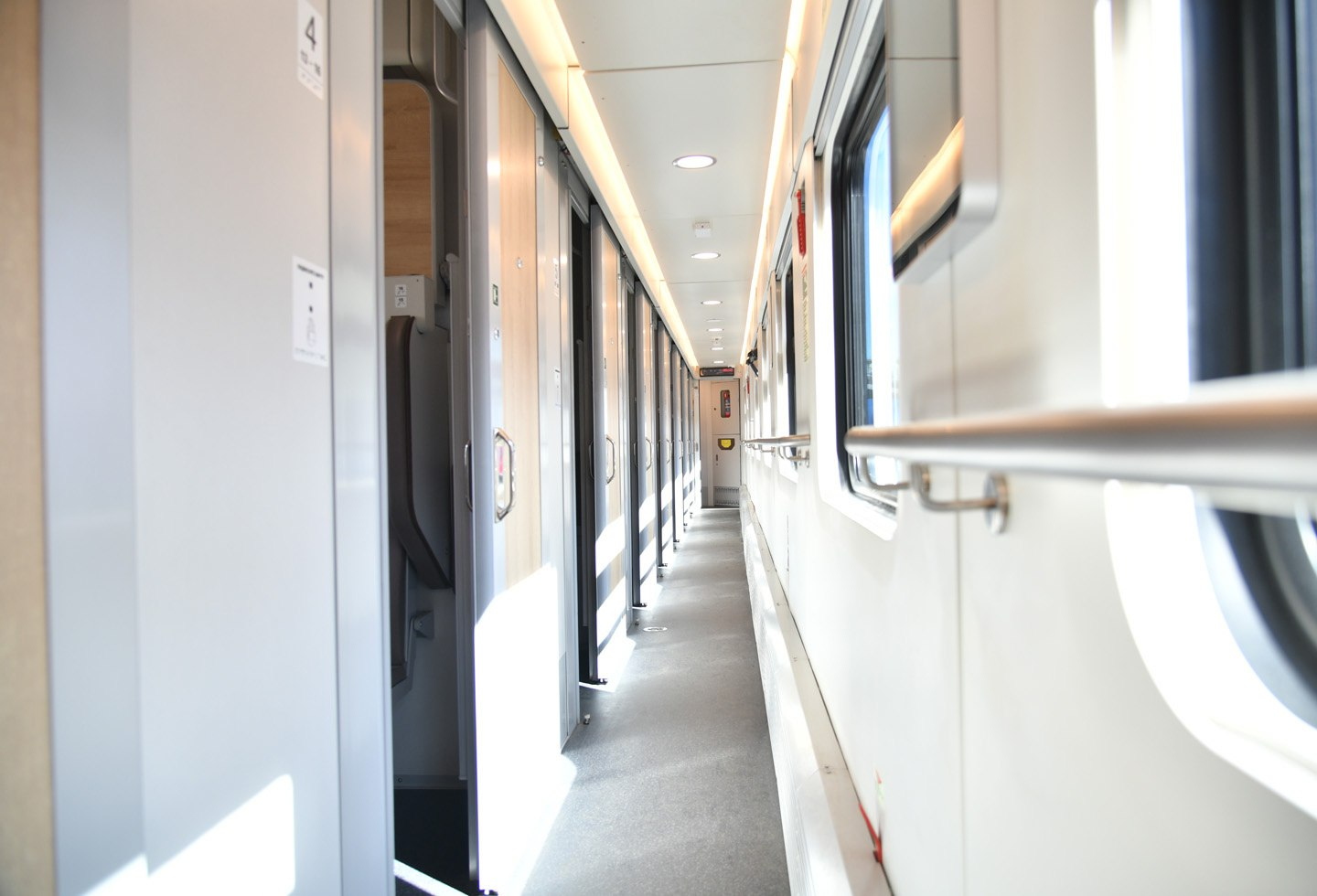
Sleeping places are more comfortable due to increased parameters: the width of the shelves is 3 cm larger, the upper shelf is 16 cm longer, and the lower one is 6 cm longer.
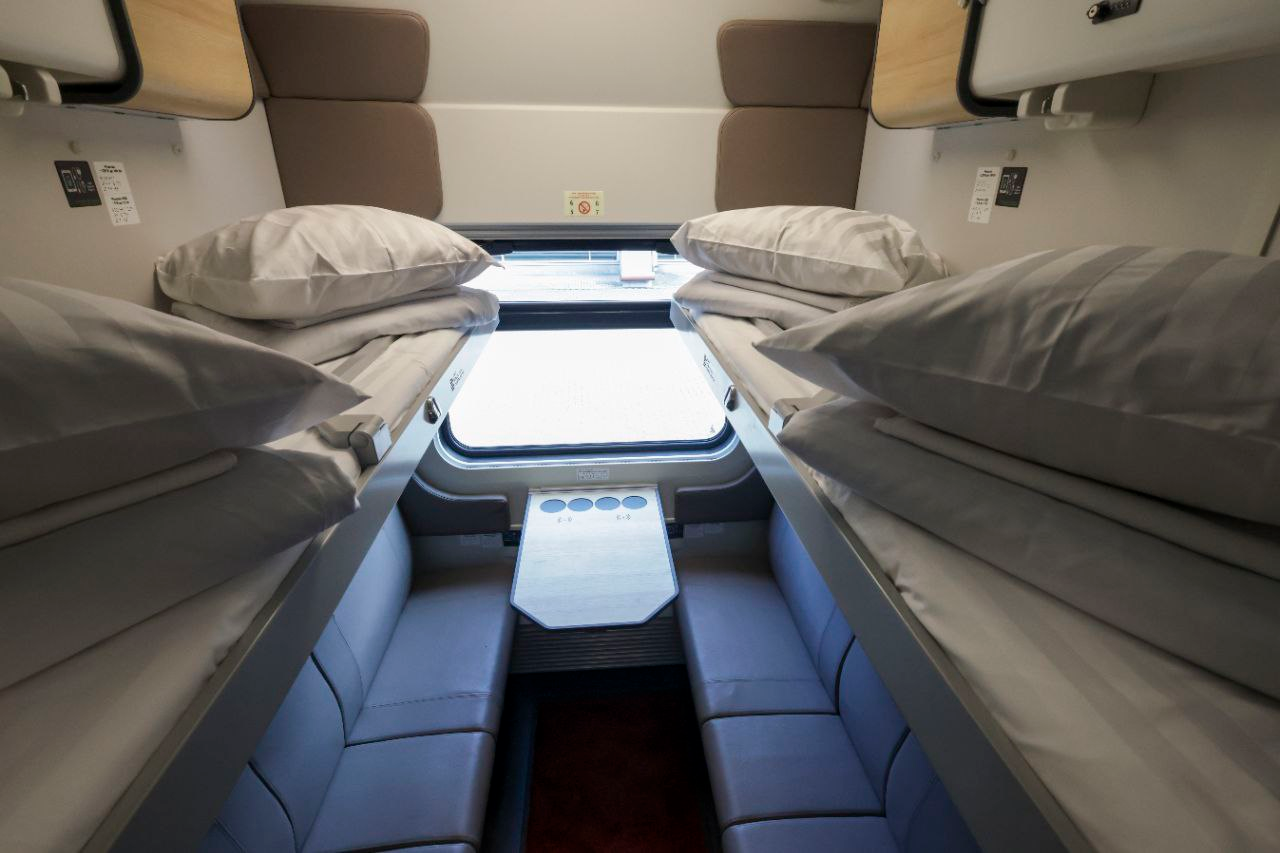
The new type of compartment cars are more comfortable: each car now has 40 seats instead of 36, and the aisle has become more spacious. In addition, passengers have access not only to two restrooms, but also to a separate shower. The individual temperature control system in each compartment allows you to create an optimal microclimate.
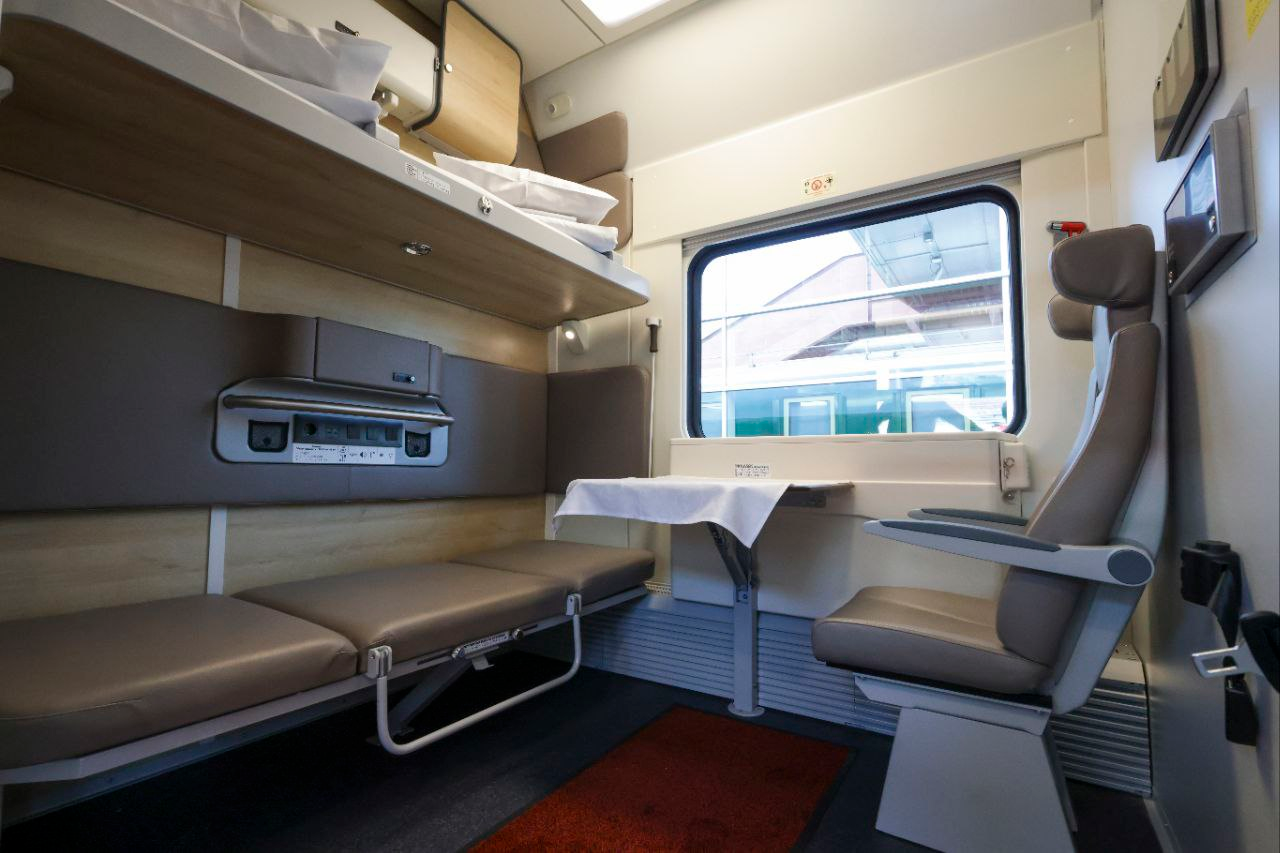
Each compartment has sockets, light switches and safes. The lower shelves are equipped with built-in wireless chargers for smartphones, and the upper berths have folding tables for gadgets.
One of the compartments in the car is made in the concept of "MAMA+". For passengers with children, the width of the sleeping shelves has been additionally increased, and the interior is decorated in bright colors.
New generation staff cars with an increased gauge are now equipped with two special compartments for passengers with disabilities (instead of one), as well as restrooms with adapted equipment. For the convenience of passengers with reduced mobility, a new, more reliable lifting device is provided for boarding and disembarking from low platforms.
Read related materials:
The design of the first hydrogen train was presented in Russia
The first Ermak metro train was sent to Novosibirsk
Never miss our newsAdd this site to your preferred sources to see us more oftenAdd on Google

















