Translated with AI from the Russian original.
Specialists from Moscow have developed an artificial intelligence (AI)-powered automatic target tracking technology that allows drones to reach their targets without operator intervention. In addition, such UAVs are completely invulnerable to enemy electronic warfare (EW) systems, according to a source in the defense industry.
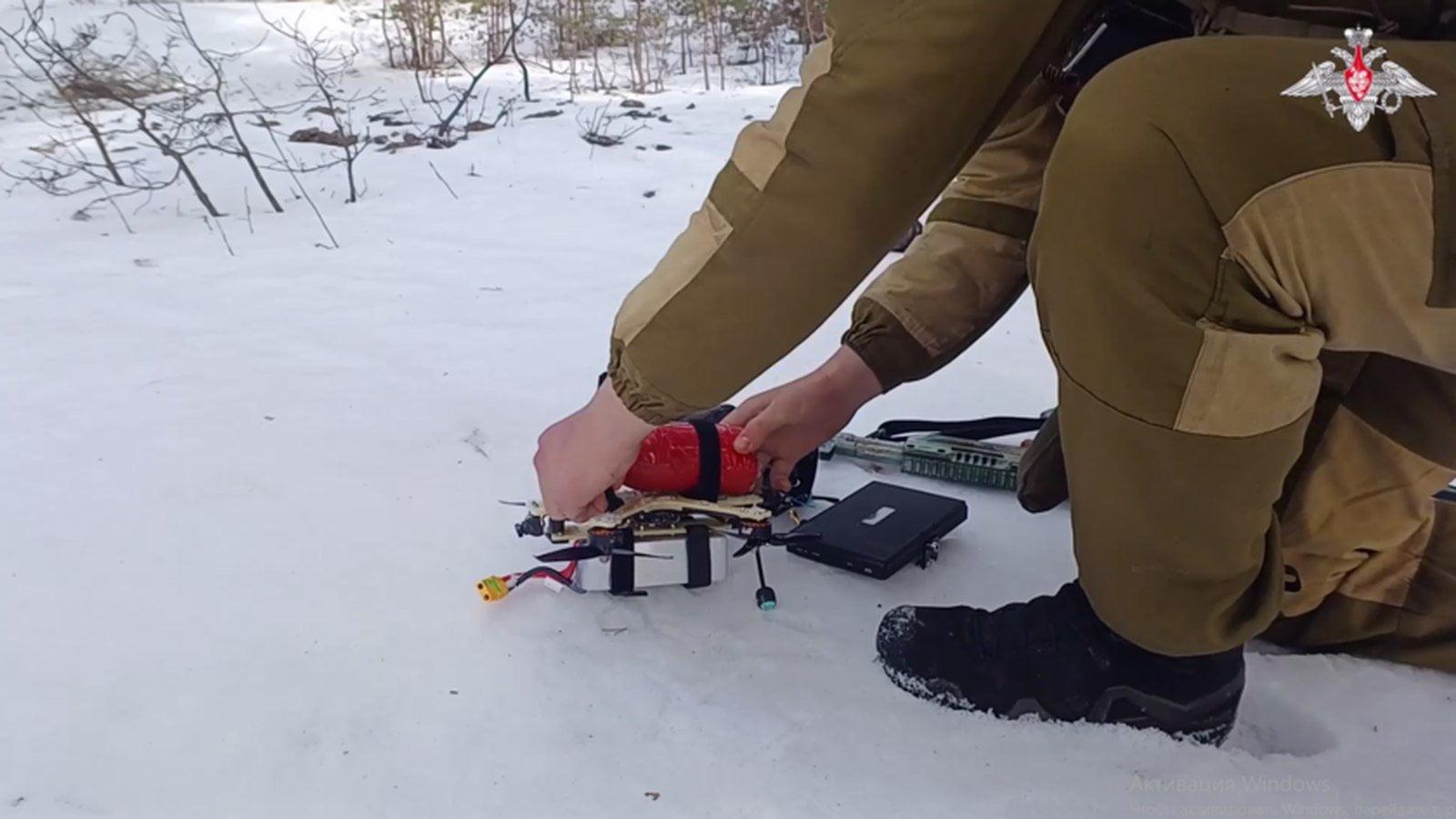
We have taught ordinary radio-controlled drones with analog video to overcome enemy electronic warfare.
According to him, mass production of "Boomerang" drones with the new technology was established in November 2024-March 2025. If previously the drone's video camera "latched on" to a telltale sign, such as the contrast of armored vehicles against the general background, now the target is captured at a distance of up to 1 km. As it approaches, the "Boomerang" adjusts the target marker.
It chooses the left or right track of the tank, a spot on the turret, a window of the building. In the past, it was necessary to exit autopilot mode to do this, but now it is not.
The AI technology saves 25% of the drone's battery charge. In addition, it increases the efficiency of the drone.
Read more on the topic:
Combined control: a new modification of the Boomerang drone is being developed in Moscow
Unmanned aerial vehicle units created in the Russian NBC protection troops
Never miss our newsAdd this site to your preferred sources to see us more oftenAdd on Google

















