An innovative method of protection against drones has been developed in Russia - the "Darwin" extendable protective capture net made of polyamide. It can extinguish from 50% to 100% of the drone's kinetic energy. This was announced by Dmitry Dorofeev, General Director of "Mechanical Protection Systems" company.
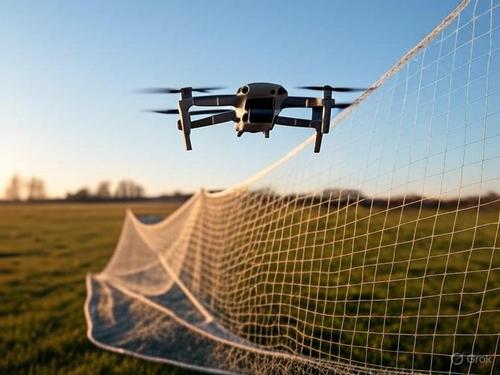
The capture process takes place in two phases: first, the energy reduction phase, when polyamide threads stretch in each cell under the influence of the drones' kinetic energy, which allows extinguishing from 50% to 100% of the UAV's impact energy. The retention phase, when the cell of the net is a separate rigid element, and in order for the drone to fly through the net, it needs to break through all the contact cells. Partial breaks lead to the drone becoming entangled or falling near the net.
The net delays all types of drones up to five meters in a single line. The protection construction method involves installing racks with struts and extensions at a distance of at least five meters from the protected object. This allows to perceive the load from a falling flying object. The frame is covered with a protective capture net.
Control and switching nodes, data processing centers, control and communication centers, production buildings of factories, as well as explosive and fire-hazardous industries, warehouses, schools, hospitals, and airfields can be protected by such a net.
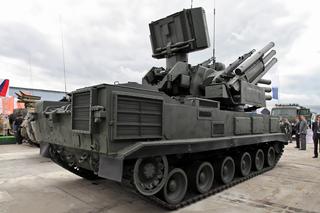
Dorofeev emphasized that the cost of intercepting a drone with a "surface-to-air" missile is hundreds of times higher than the cost of the drone itself. Electronic means, such as jammers, are not a panacea, as they require licenses, can disrupt communication, have a limited range, and do not stop drones that move by inertia or with autonomous guidance.
We need a simple physical obstacle. And it exists, and it's inexpensive: the cost of one square meter of such a polyamide net - is 300 rubles.
Earlierwww1.ru reported that new measures have been approved to protect transport infrastructure from UAVs.
Read materials on the topic:
Why are modern drone protection systems ceasing to work?
The most effective means against kamikaze drones was invented in Russia
A way to protect oil refineries from drone attacks has been found
Never miss our newsAdd this site to your preferred sources to see us more oftenAdd on Google