In an interview with RBC TV, the head of Roscosmos, Dmitry Bakanov, noted that the choice of the station's orbital inclination raises many questions. The possibility of docking with modules from other countries depends on this decision. The orbit determines whether astronauts can move between stations, which is important for international missions.
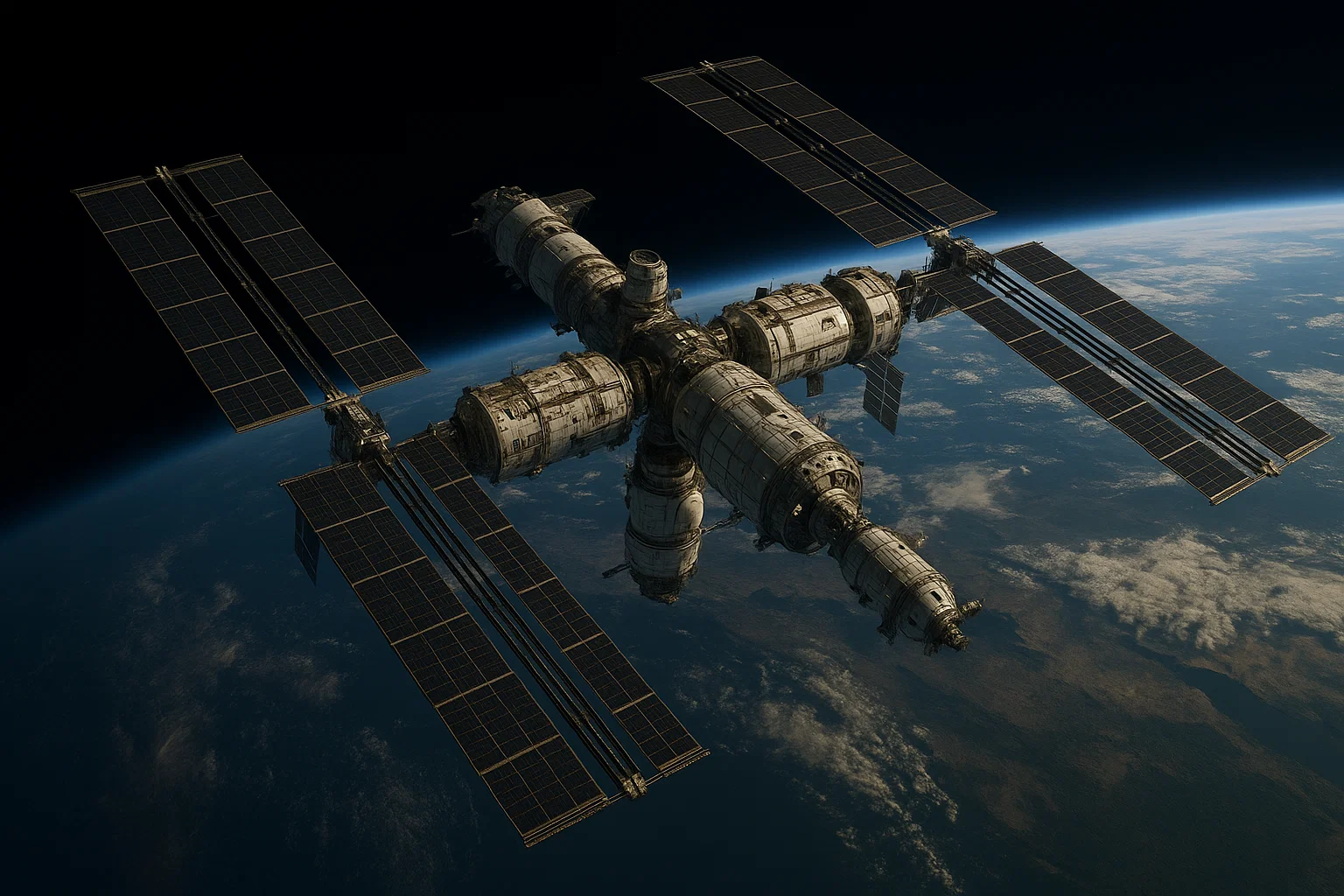
Previously, a polar orbit with an inclination of 97 degrees was discussed. It would allow observing the territory of Russia and the Northern Sea Route. However, such an orbit is associated with risks, including an increased level of radiation.
There are now many questions about the inclination of the orbit, about international cooperation. Because the orbit that we choose, the orbit that the United States and other countries choose for their prospective orbital station, will determine the possibility of docking, undocking, and astronauts moving between the two modules.
Bakanov did not specify what alternatives are being considered, but the choice of orbit remains key to the project. Technological aspects, such as protection against radiation and module compatibility, require careful study.
Earlier, www1.ru reported that Roscosmos is developing a reusable first stage of a rocket.
Read more materials on the topic:
Similar to SpaceX: Roscosmos is developing a reusable first stage of a rocket
Soyuz-2.1b Successfully Launched Ionosphere-M Satellites and 18 Small Devices into Orbit
Roscosmos is preparing to launch the Bion-M No. 2 satellite with unique experiments
Never miss our newsAdd this site to your preferred sources to see us more oftenAdd on Google