Translated with AI from the Russian original.
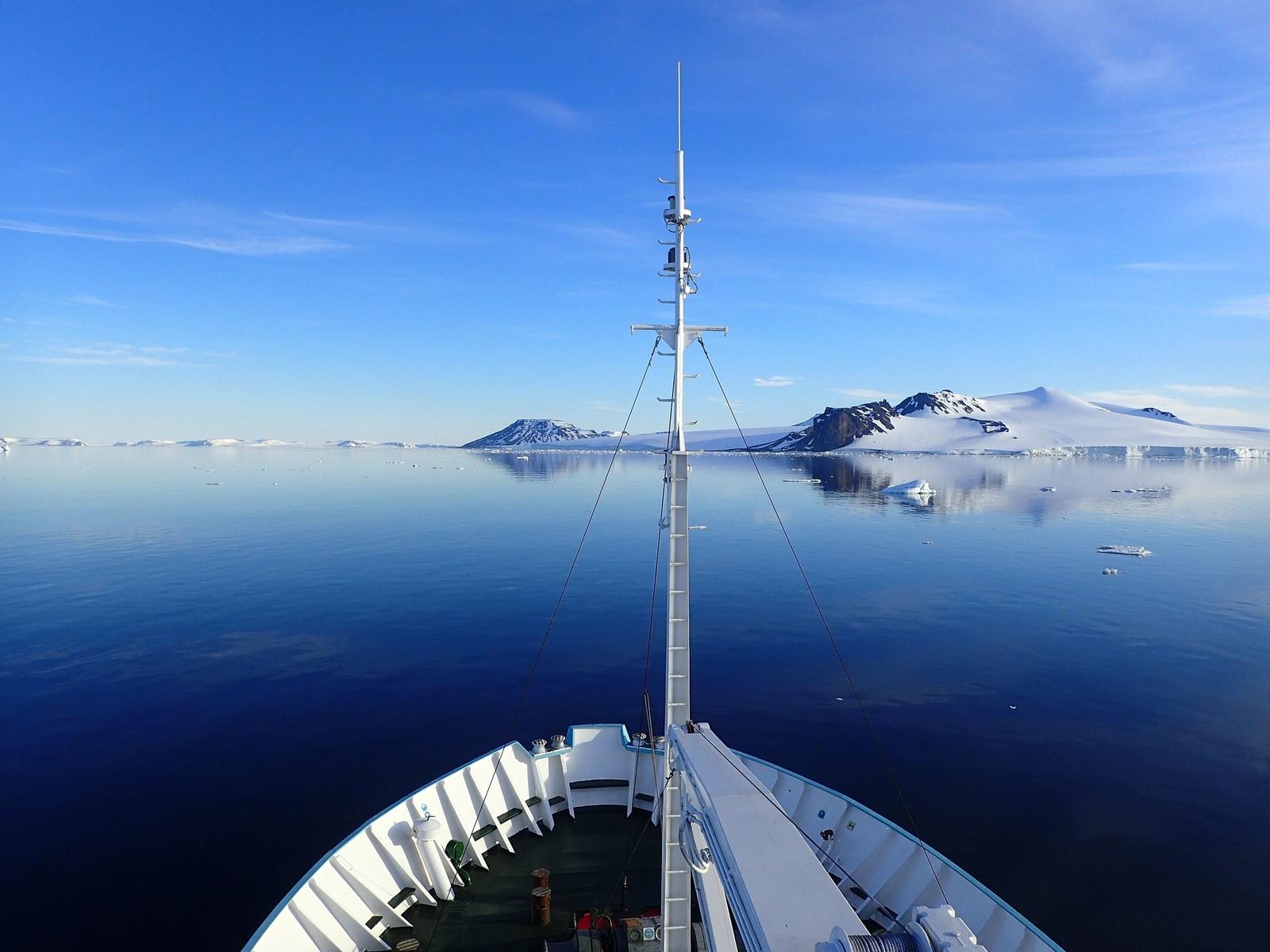
During the Arctic Floating University (AFU-2025) expedition, scientists began collecting samples of seawater and bottom sediments in the Barents Sea to study microplastics and related persistent organic pollutants (POPs) - toxic chemical compounds that persist in the environment for a long time.
The head of "Plastiklab," Alexandra Ershova, reported that researchers want to understand the relationship between the concentration of microplastics and chemicals that can adhere to plastic particles. Analyses will be conducted at the Novosibirsk Institute of Organic Chemistry of the Siberian Branch of the Russian Academy of Sciences.
The Barents Sea is the most polluted with microplastics among the Arctic seas of Russia, especially near the Kola Peninsula, where the main sources of pollution are shipping and the Atlantic Murmansk Current. Microplastics gradually settle to the bottom, and scientists are now actively studying their accumulation in bottom sediments.
The AFU-2025 expedition on the vessel "Professor Molchanov" will last until August 1.
Read more on the topic:
30 times larger than usual: Russian scientists studied giant viruses
New dangerous properties of microplastics discovered by scientists from NovSU
Never miss our newsAdd this site to your preferred sources to see us more oftenAdd on Google

















