A group of researchers from RTU MIREA has presented an innovative method for controlling terahertz waves using a multilayer Co/Pt (cobalt/platinum) structure and an external magnetic field. The development allows for dynamic changes in radiation polarization, which opens up new possibilities in telecommunications, security systems, and medical imaging.
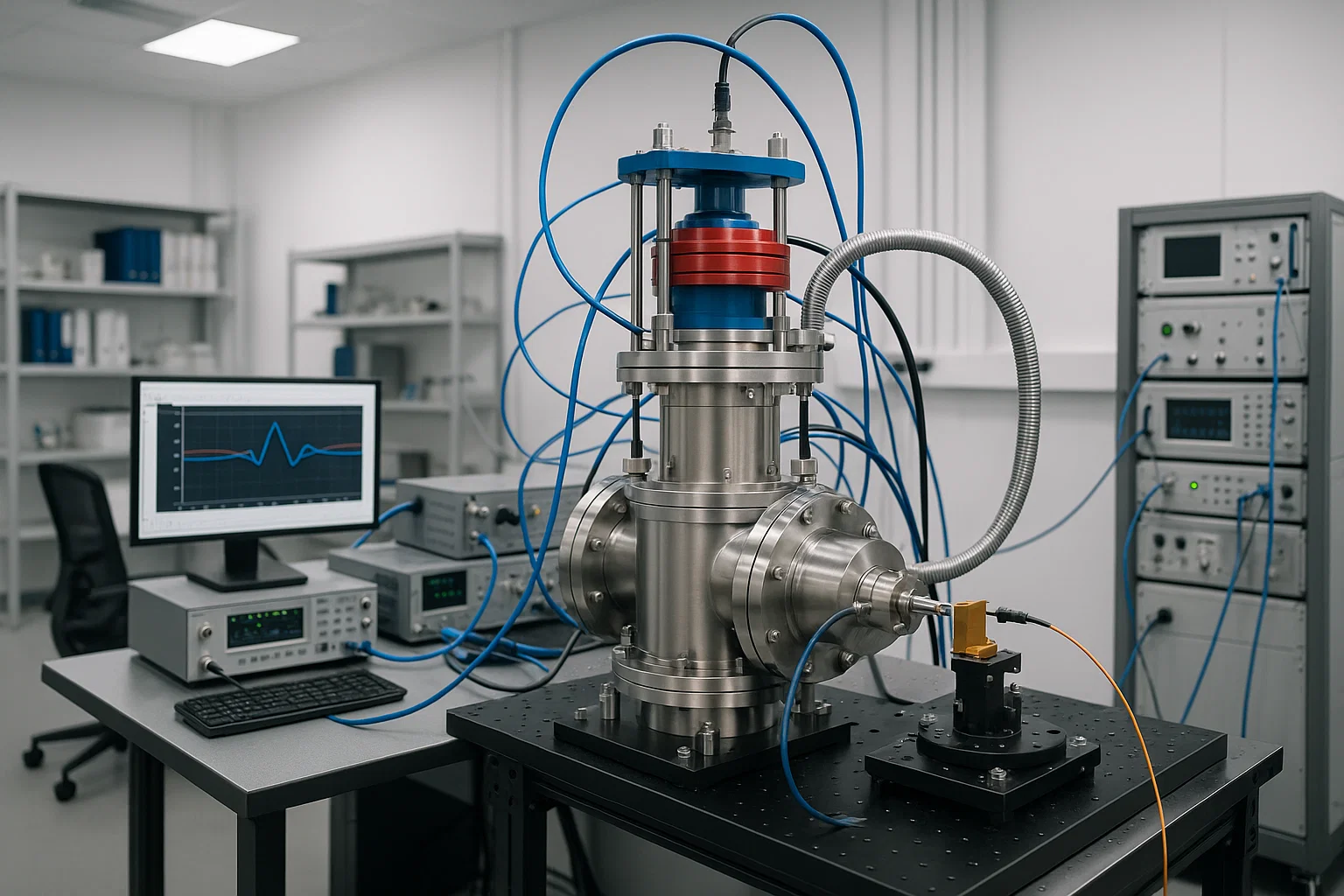
Terahertz waves occupy a special place in the electromagnetic spectrum - they can penetrate many materials without harming tissues, making them promising for non-invasive diagnostics. However, controlling their parameters has remained a difficult task. Scientists from MIREA have proposed a solution: ultrathin layers of Co/Pt, which change the polarization of waves under the influence of a magnetic field.
In the digital future, the study of terahertz radiation becomes the key to innovation in communication, data transmission, and other technologies. Our work has shown that combining spintronics and THz technologies is not only possible, but also revolutionary. I am convinced that our discoveries will set the vector for the development of THz optospintronics and open up new directions that we do not yet suspect.
The research results are published in the scientific journalApplied Physics Letters.
Read more on the topic:
Never miss our newsAdd this site to your preferred sources to see us more oftenAdd on Google