Translated with AI from the Russian original.
St. Petersburg Electrotechnical University (LETI) has presented an improved artificial electrocardiogram (ECG) generator capable of simulating the natural variability of heart rhythm. The development is designed for accurate calibration of cardiographs, training of medical professionals, and training of artificial intelligence algorithms.
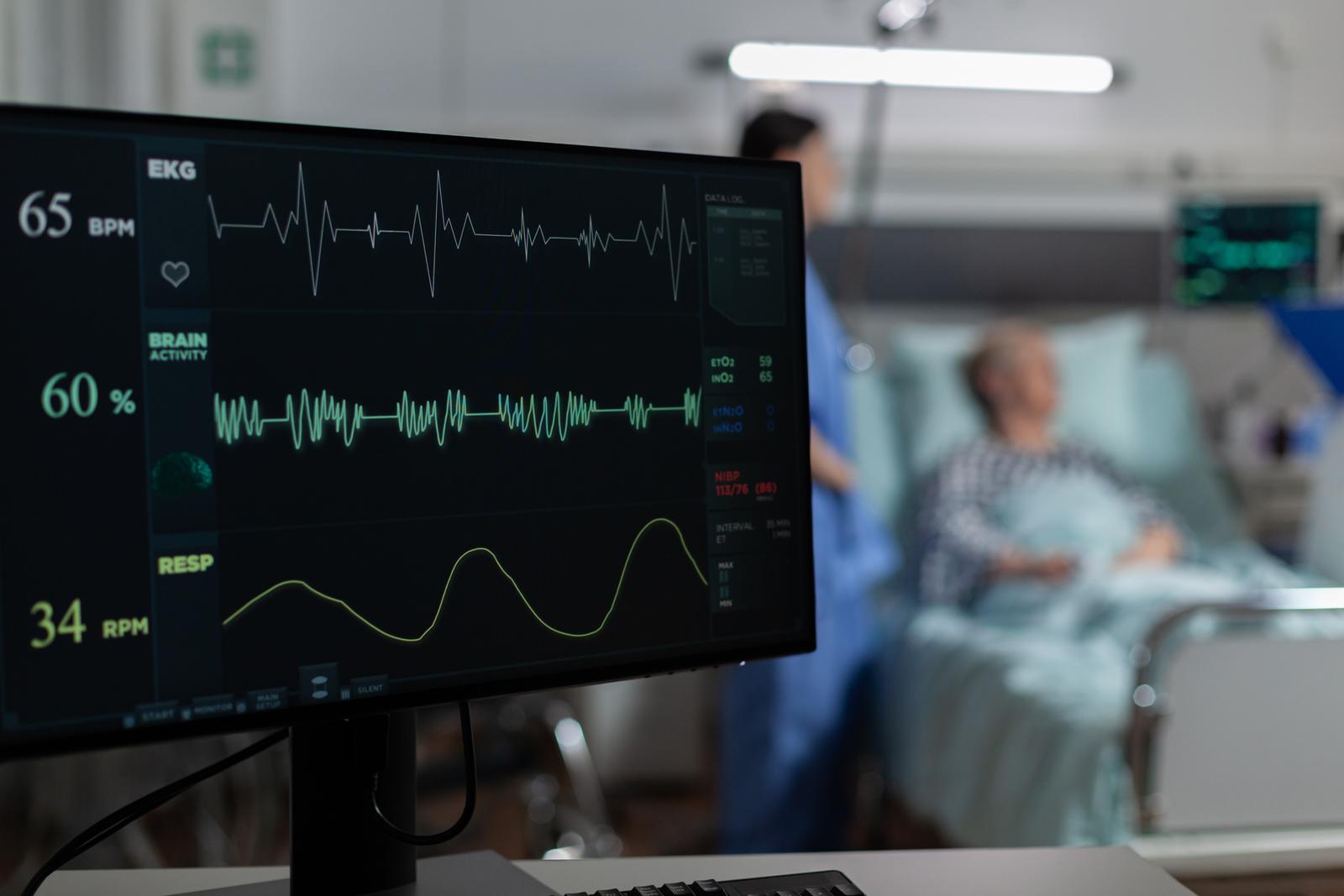
LETI scientists modified the model by adding chaotic dynamics to it, which naturally changes the signal parameters, bringing it closer to real cardiograms.
We have modernized the well-known ECG generation model by equipping it with chaotic dynamics, and then compared the resulting artificial ECGs with a real person's ECG. The results showed that with the help of the new model, it is possible to achieve a more plausible distribution of intervals between individual heartbeats, that is, the model is able to reproduce the key features of a person's cardiogram data without using a random number generator.
The artificial ECG created by the new system was tested on 90 real cardiogram recordings. The results confirmed that the model effectively reproduces the key features of the human heart, including natural rhythm fluctuations. This opens up opportunities for:
- Improving the accuracy of calibration of medical cardiographs.
- Training doctors and testing diagnostic AI algorithms.
- Improving noise filtering in ECG signals.
Traditional ECG generators use pre-programmed parameters with artificial variability, which limits their use in complex diagnostic systems.
Read also materials on the topic:
AI platform for training pathologists is being developed at Sechenov University
The first domestic endoscope was created at LETI
Mesh implants invented at Sechenov University reduce the risk of complications after gynecological operations
Never miss our newsAdd this site to your preferred sources to see us more oftenAdd on Google

















