Translated with AI from the Russian original.
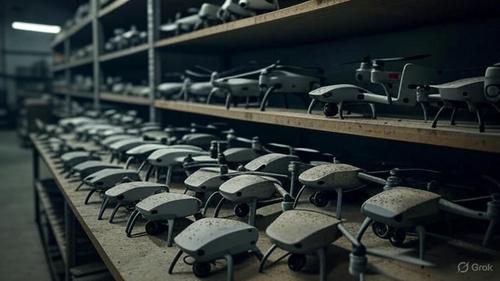
The civilian government order for drones has not received funding for services for the second year in a row, limited to the purchase of equipment - only 1 billion rubles are budgeted for deliveries in 2025. Due to the lack of funds for flights, training, and certification, most of the drones are idle at the customers'. This is reported by the Kommersant newspaper.
The Ministry of Industry and Trade acknowledged the problem and plans to reorient the GGS to services by 2026, but the limiting factors remain restrictions on flights in the regions and regulatory barriers.
In 2024, it was planned that the market for services using UAVs would grow to 6 billion rubles, of which 2.5 billion should have come from the GGS. In fact, the volume of contracts amounted to only 2 billion, mainly due to the commercial sector.
Operators and manufacturers point out that due to the lack of service contracts, the equipment is not used, and the infrastructure and personnel do not pay off.
Without stimulating use, according to experts, the market will stagnate and in 2030 will amount to less than 4 billion rubles - half the forecast for 2024.
The cost of operating drones is often higher than manned aircraft - due to restrictions on the use of existing aviation infrastructure, the need to create separate logistics, and the high cost of equipment. In addition, the requirements for certification of operators remain unclear, and the procedures themselves are cumbersome and costly. Industry experts propose switching to a declarative procedure for notifying the start of operation with the creation of standard documents.
Read also on the topic:
The Russian government refused to finance the creation of droneports
Investments in the sky: 20 billion rubles were invested in civilian drones in Russia
At least 20 droneports will be created in Russia by the end of 2025
Never miss our newsAdd this site to your preferred sources to see us more oftenAdd on Google

















