Specialists from the Russian Technological University (RTU MIREA) have presented an innovative program capable of detecting and classifying drones by their sound signals. The development, created by engineers Vyacheslav Ivanov and Vladimir Shedenko, uses a network of highly sensitive microphones to analyze the frequency characteristics of unmanned aerial vehicles.
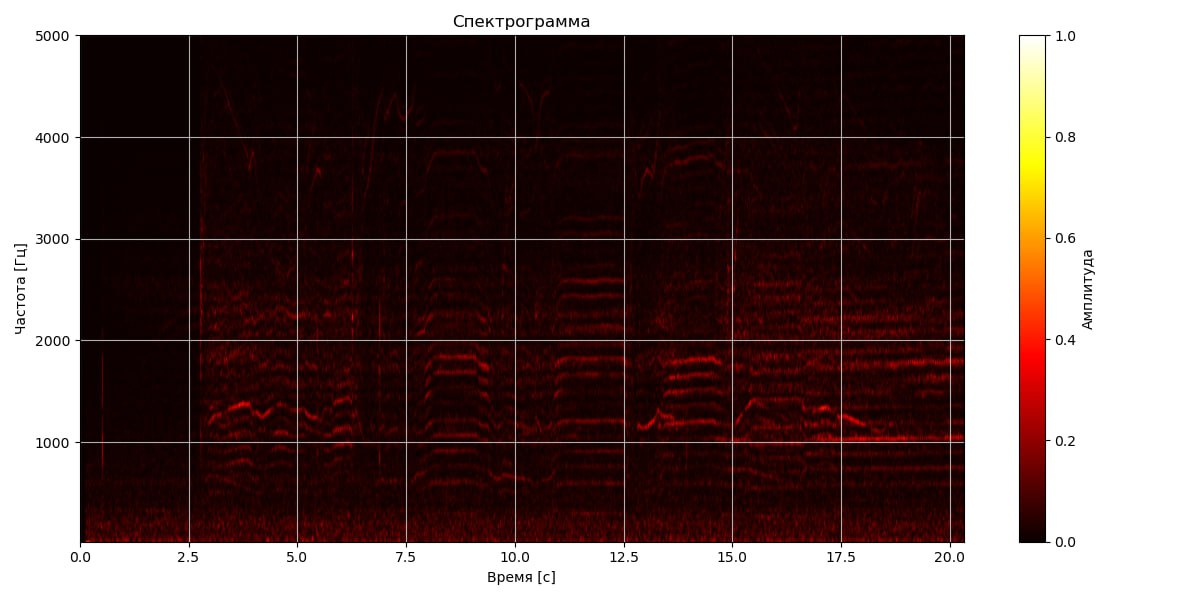
The program records acoustic waves emitted by drones and compares them with a database of frequency patterns of various UAV models. Unlike foreign counterparts, which are often limited to simple detection, the RTU MIREA system is capable of determining the type of drone, allowing security services to respond more quickly to potential threats.
Our system not only records the presence of UAVs, but also determines their type by characteristic frequency features. This allows us to detect potential threats in advance and respond quickly.
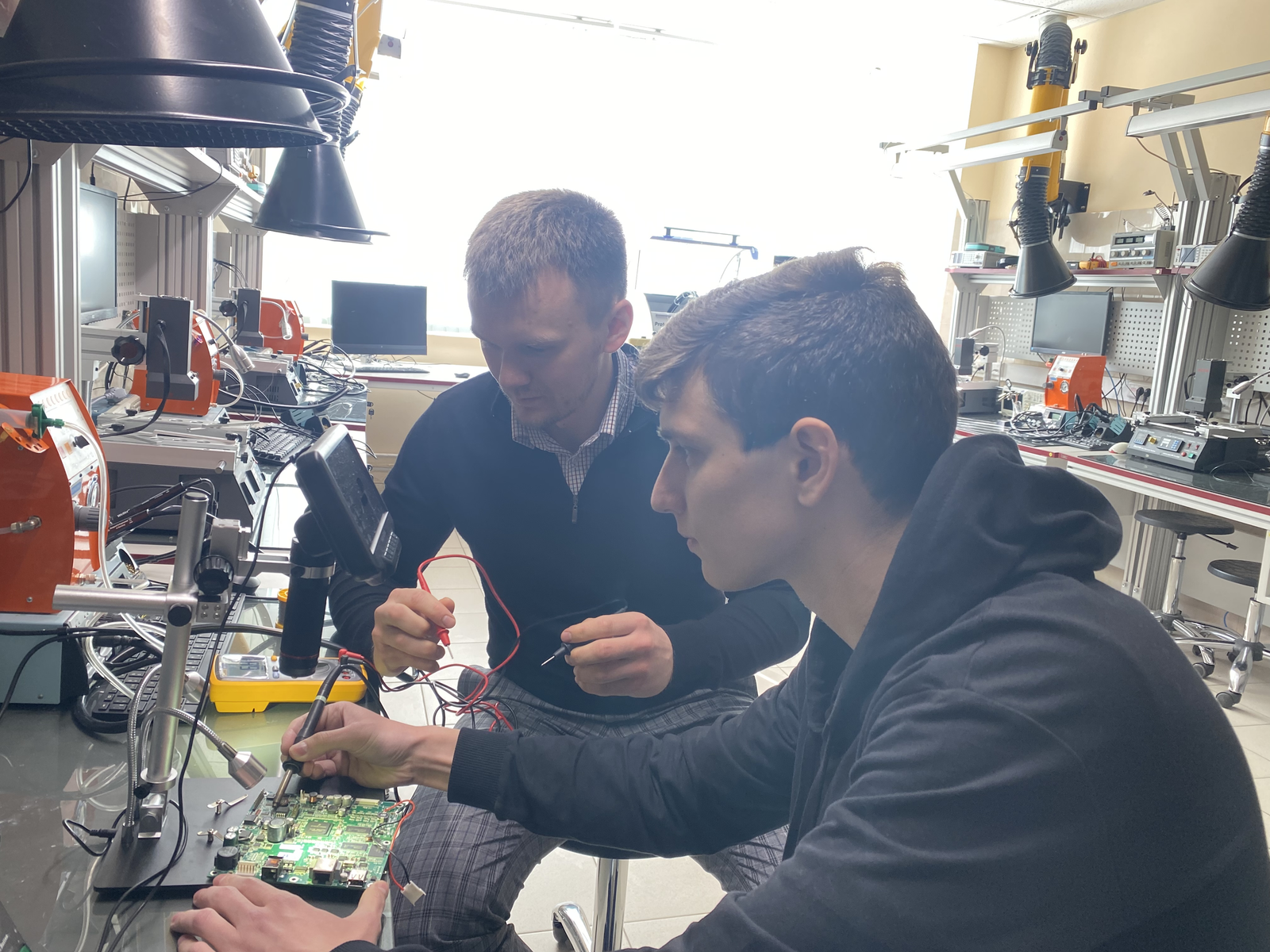
The technology can be integrated into existing security systems at airports, strategic facilities, and mass events. An important advantage of the development is its scalability: the microphone network can cover large areas, providing continuous monitoring of airspace.
The next stage of the project will be to configure the hardware for subsequent testing of the system in laboratory and field conditions. Further research on the use of artificial intelligence for automated airspace monitoring will form the basis of a dissertation for the degree of Candidate of Technical Sciences.
The program has already been patented and tested. In the near future, it may be implemented in commercial and state systems for protection against unauthorized use of drones.
Read more on the topic:
AI-powered system for automatic level generation in video games created by a student from RTU MIREA
Frame Patrol rover from Dronshab successfully passed a six-month test
Never miss our newsAdd this site to your preferred sources to see us more oftenAdd on Google