Translated with AI from the Russian original.
Specialists from the Moscow Aviation Institute (MAI) are working on creating a new material that can protect rocket and space technology from heating above 2.3 thousand °C. This was reported by the press service of the university.
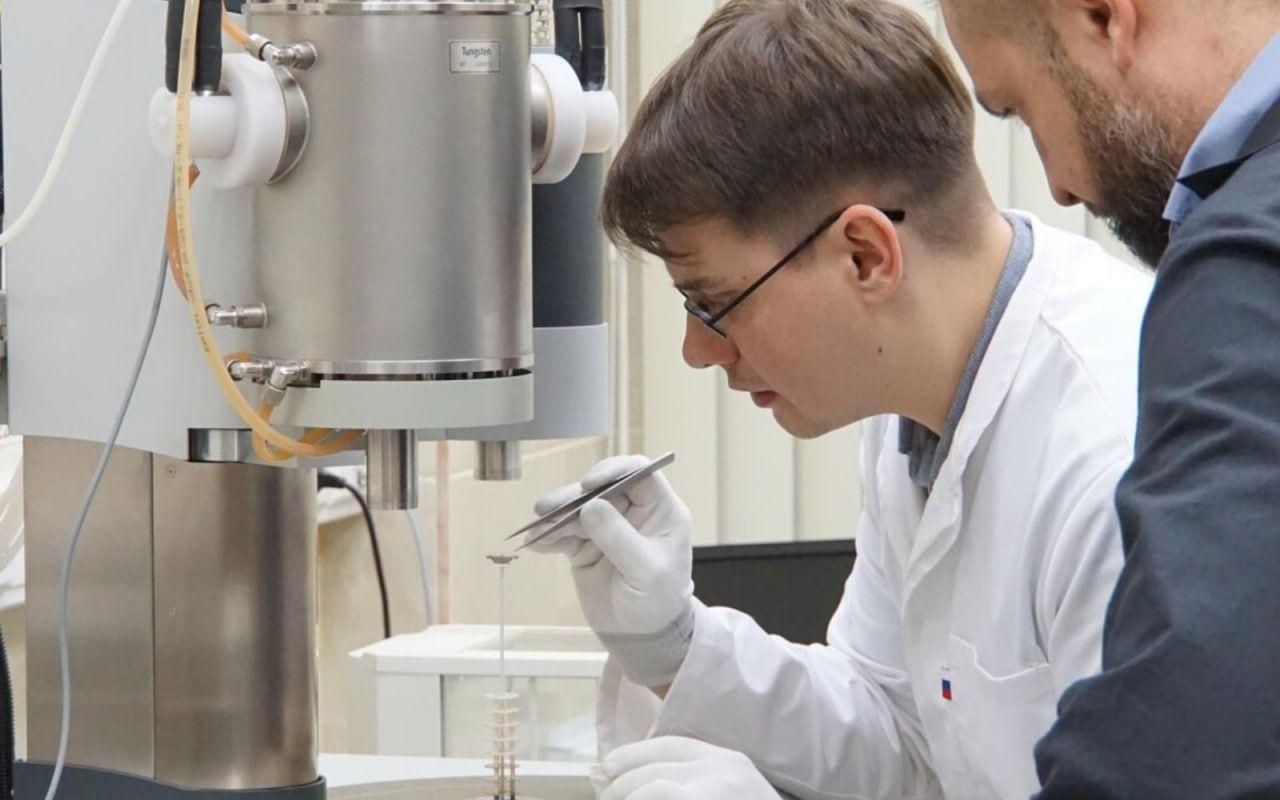
At high temperatures and in the presence of oxygen-containing components in gas flows, the structural components of the matrix of our material begin to oxidize. This leads to the formation of an oxide film that covers the surface of the composite and prevents the oxidizing agent from entering.
Such temperatures can occur, for example, during fuel combustion in the flow paths of propulsion systems. This opens up opportunities for the use of the new composite.
The complete cycle of material production takes 4-5 months, after which studies of its structure, physical, mechanical, operational and functional properties are carried out, as well as an analysis of the results obtained.
MAI scientists have also developed and tested a new methodological approach to creating composites with matrices based on hafnium, titanium and niobium carbides and borides. These materials have demonstrated their effectiveness in air plasma flows at temperatures up to 2.4 thousand °C, as well as in the combustion products of hydrocarbon fuel with air at 2.1-2.3 thousand °C.
Earlier www1.ru reported that a unique carbon fiber for space technologies was presented at Rosatom.
Read materials on the topic:
Rosatom helped create the world's largest and most powerful pulsed magnetic system for ITER
Active implementation of additive technologies has begun at Rosatom
Engine for long-range space flights developed at Rosatom
Never miss our newsAdd this site to your preferred sources to see us more oftenAdd on Google