Rosatom has developed a plasma engine for long-range space flights. This was reported by the press service of the state corporation.
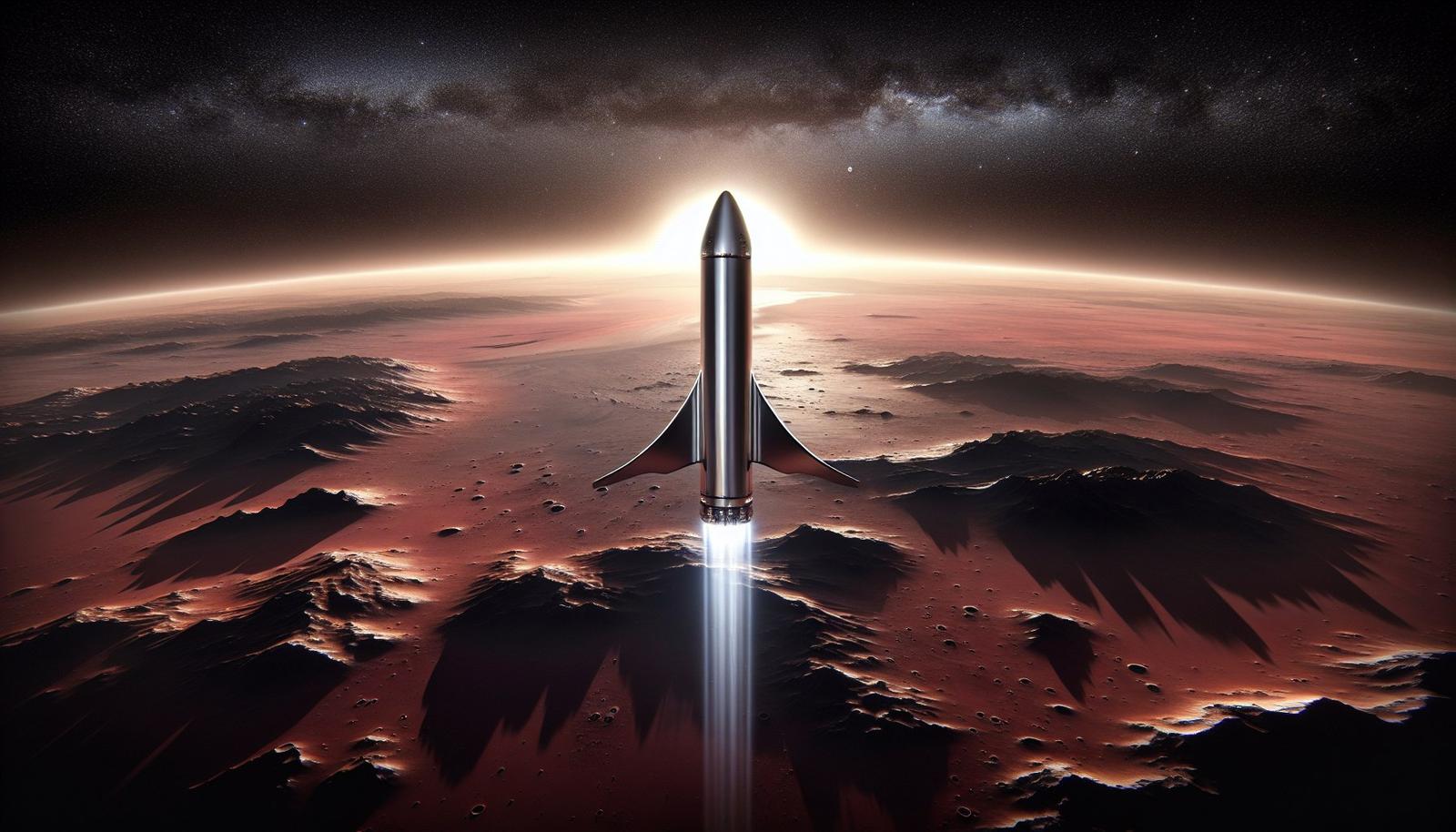
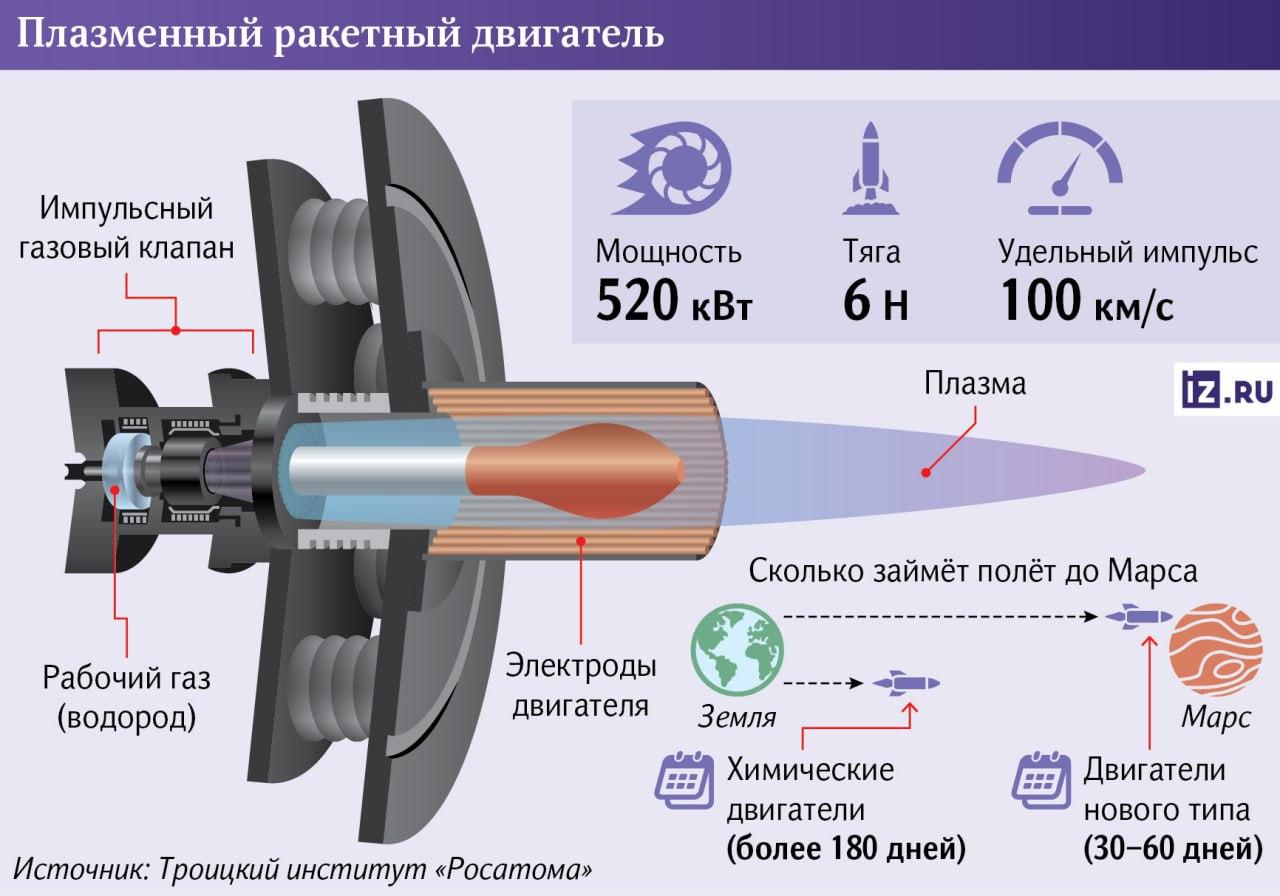
Rosatom scientists have created a laboratory prototype of a plasma electric rocket engine based on a magnetic plasma accelerator with increased thrust parameters (at least 6 N) and specific impulse (at least 100 km/s). The use of such engines will allow Russia to reach a new level in the exploration of deep space in the future.
The engine operates in a pulsed-periodic mode, reaching an average power of 300 kW. It allows accelerating spacecraft to speeds unattainable for traditional chemical engines.
Now a flight to Mars on conventional engines can take almost a year in one direction, which is dangerous for astronauts due to cosmic radiation and exposure to radiation. The use of plasma engines can reduce the mission to 30-60 days, that is, it will be possible to send an astronaut to Mars and back.
A large-scale experimental stand with a vacuum chamber is being installed at the Troitsk site for testing the plasma engine prototype. Its diameter is 4 meters, length is 14 meters. The chamber is equipped with high-performance vacuum pumping and heat removal systems to simulate the conditions of outer space.
Earlier www1.ru reported that a promising rocket engine was tested in Russia.
Read materials on the topic:
A new robot controller with recharging from a wind generator has been developed in Russia
Never miss our newsAdd this site to your preferred sources to see us more oftenAdd on Google