The Royal Navy of Great Britain intercepted the Russian diesel-electric submarine (DES) Krasnodar 636.3, code "Varshavyanka" of the Black Sea Fleet, off the coast of France. This was reported by the German television channel n-tv.
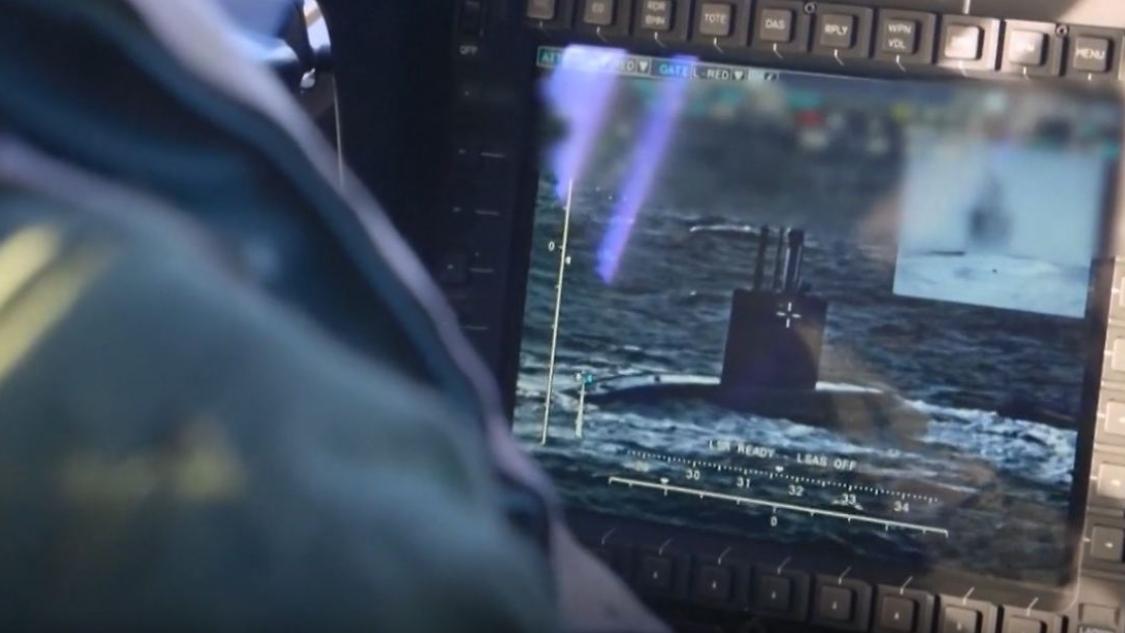
According to the source, the submarine was crossing the English Channel on its way back from the Mediterranean Sea to Russia. A British helicopter monitored the submarine from the air, and the British warship HMS Tyne intercepted the Russian Krasnodar off the coast of France.
The TV channel also published footage showing the observation of the submarine. No other information on the situation is provided.
The DES of Project 636.3 is designed to destroy surface ships and vessels, as well as enemy submarines, patrol ships, guard ships, and protect communications in the near sea zone and for reconnaissance.
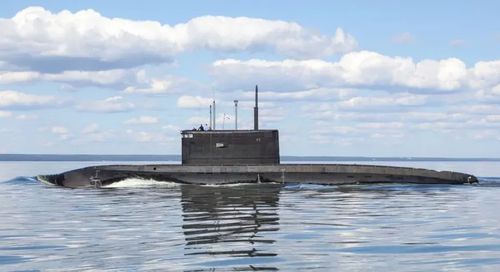
The submarines have a length of 74 m, a maximum displacement of more than 3.9 thousand tons. The strong hull provides the submarine with a working depth of 240 m and a maximum depth of up to 300 m, a cruising range of about 7.5 thousand miles. The main armament of the submarines is the Kalibr-PL missile system.
Earlier www1.ru reported that the latest counter-battery radar based on the Tigr-M armored vehicle has been developed in Russia.
Read more materials on the topic:
Pantsir-S1 air defense missile system will be able to launch more missiles to destroy drones
Footage of modernized Chernika-2 drones with target homing function has appeared
Never miss our newsAdd this site to your preferred sources to see us more oftenAdd on Google