Soon, an unusual space story that began in 1972 will come to an end. The descent module "Cosmos-482", originally intended for the study of Venus, but remaining in near-Earth orbit due to a rocket failure, will fall to Earth. According to astronomers' calculations, this will happen on May 10, but the exact location of the fall is still unknown - the zone of possible entry covers territories between the 52nd parallels of northern and southern latitude.
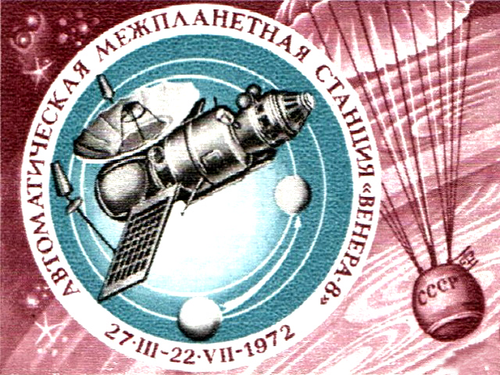
"Cosmos-482" was a backup for the "Venera-8" station, which successfully reached Venus in 1972. However, due to a malfunction in the booster stage, the spacecraft could not leave near-Earth orbit. Instead of an interplanetary mission, it was named "Cosmos-482" and remained in an elliptical orbit with an apogee altitude of about 9800 km.
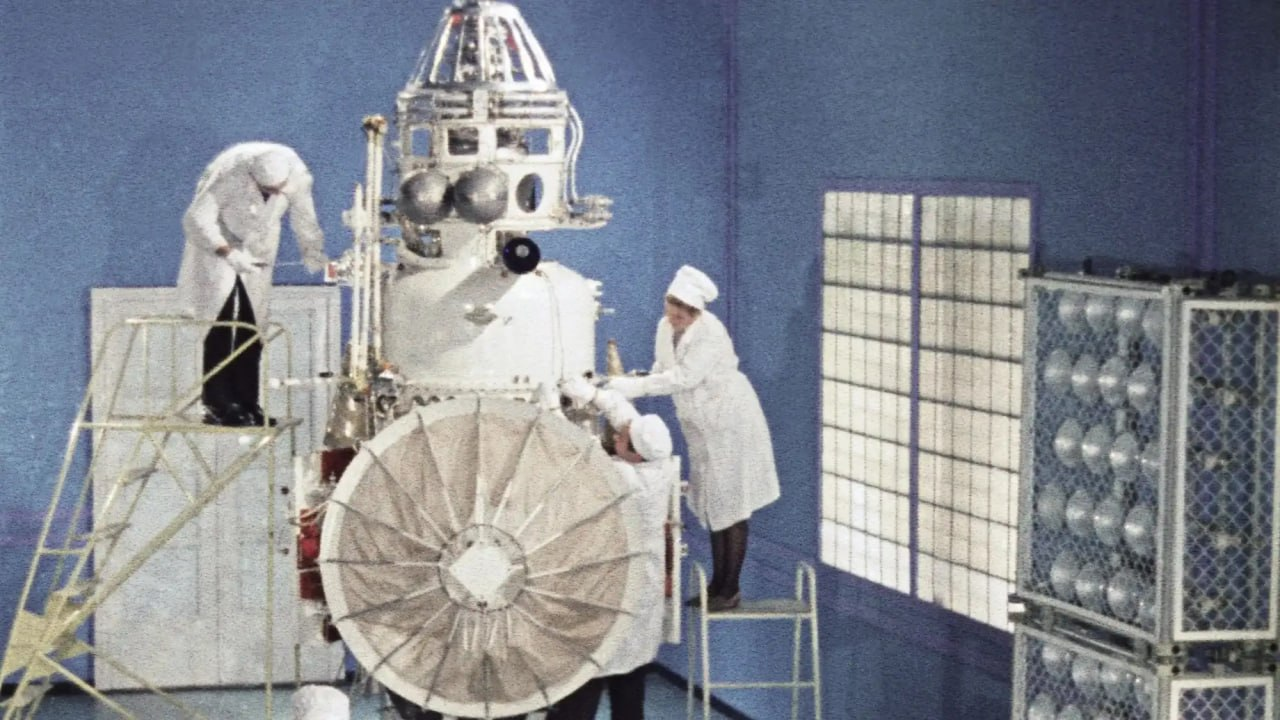
The descent module, which separated from the station in June 1972, was designed for the harsh conditions of Venus - its titanium shell was supposed to withstand high temperatures and pressure. That is why it probably will not burn up completely upon entering the Earth's atmosphere. According to estimates by Dutch astronomer Marco Langbroek, the impact speed on the surface will be about 242 km/h, which is comparable to the fall of a small meteorite.
Roscosmos confirmed that the probability of damage from the fall is extremely low.
Thousands of spent spacecraft are flying in orbit. Last year, 1981 space objects of natural and artificial origin entered the atmosphere. In fact, five objects fall to Earth every day, every seventh weighing more than 500 kg. Cases of causing material damage are isolated, there are no victims among people.
If the spacecraft falls on land, it can be studied, but it no longer has scientific value, according to cosmonautics historian Alexander Zheleznyakov.
If the spacecraft falls into the ocean, then, of course, no one will retrieve it. If it is on our territory, then, perhaps, it will be raised, transported and studied. And if in the USA or in any other country - there is no particular interest in it.
Read more materials on the topic:
From Heaven to Earth: Soviet probe "Cosmos-482" returns home after 53 years of wandering
Now in 3D: Russian scientists will create the most accurate 3D models of the Moon and Mars
Never miss our newsAdd this site to your preferred sources to see us more oftenAdd on Google