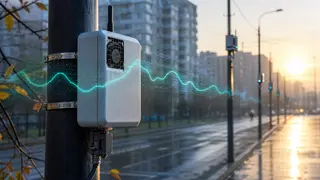
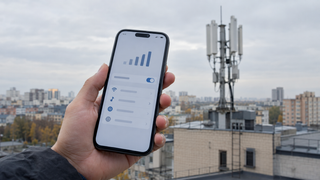
The Rebus-4 anti-drone system has been developed to protect agricultural machinery. Depending on the configuration, it can cover from 180 to 360 degrees in azimuth.
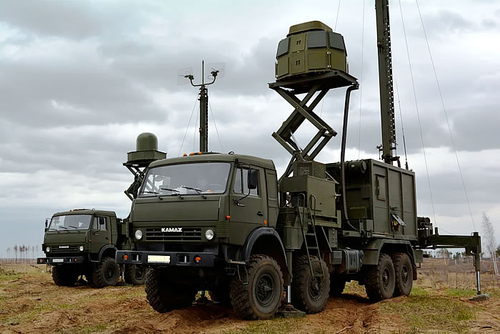
Alexander Chirkov, a representative of the Lipetsk-based NPO Kilovatt, noted that the complex operates on all known control frequencies of both commercial and homemade UAVs.
The operating range of the Rebus-4 depends on a number of factors, and it can be powered by an autonomous source or from a 220-volt network.
Considering the power of the device and the efficiency of the antennas, I can say that the radius of suppression of the UAV control signal of our product is one of the largest compared to similar devices - from several thousand meters, depending on the type of UAV.
Earlier,www1.ru reported thatGeran kamikaze drones have begun to be equipped with unusual explosive tubes.
Read more materials:
India has developed its own UMPK-equipped aerial bombs for Russian Su-30MKI
19fortyfive: NATO has real problems with "Black Holes"
Roscosmos announced the possibility of producing up to 30 carrier rockets per year: a space power
Never miss our newsAdd this site to your preferred sources to see us more oftenAdd on Google