Translated with AI from the Russian original.
The Russian strike kamikaze drone of the aircraft type is comparable in characteristics to the Lancet, but is significantly cheaper and easier to operate. This was reported in the Ministry of Defense of the Russian Federation.
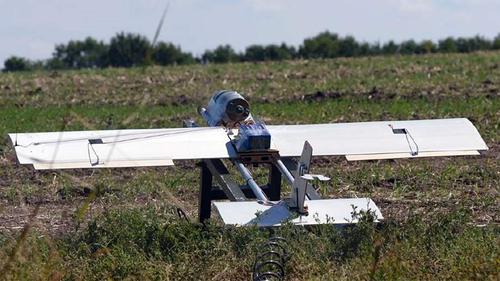
Unlike its predecessor, the Molniya-1, the Molniya-2 drone can carry a warhead of up to 6 kg, and the flight range has also been increased.
A group of operators can provide up to six sorties per day. The crew consists of three soldiers - a pilot, a loader and a sapper.
Each bird undergoes a pre-flight check before taking to the sky. On average, this procedure takes 10-15 minutes. The soldiers pay special attention to balancing the drone. This is necessary to ensure the stability of the UAV flight, reliability and safety of operation.
Earlier www1.ru reported that Su-30SM2 fighters and Su-24M bombers practiced strikes against warships in the Baltic.
Read more materials:
The military turned a kamikaze drone into a missile with a speed of 280 km/h
A revolutionary method for diagnosing turbojet engines in assembled condition has been invented in Russia
A unique combat laser for destroying drones has been developed in Russia
Never miss our newsAdd this site to your preferred sources to see us more oftenAdd on Google

















