Translated with AI from the Russian original.
Unique footage of the launch of the "Geran-2" kamikaze drone has appeared online. The drone soared into the air from a single ground catapult.
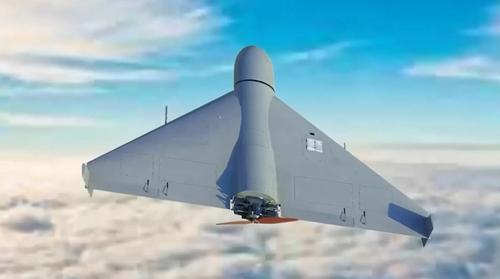
The launch from the launcher into the sky is carried out using a solid-propellant rocket booster that operates for 2-3 seconds and helps the aircraft to rise into the air. Then the drone flies on its own engine.
"Geraniums" are equipped with low-power engines, the heat dissipation of which is minimal, so it is difficult for air defense and electronic warfare systems to detect them. The material of the glider body consists of composite and metal ribs for rigidity.
Characteristics of the "Geran-2" drone:
- Wingspan - 2.5 m
- Length - 3.5 m
- Weight - 200 kg
- Flight range - 2000 km
- Speed: 180 km/h
- Warhead - 50 kg
Earlierwww1.ru reported that "Gerani-2" learned to fly atextremely low altitudes.
Read materials on the topic:
The Security Council of the Russian Federation has set priorities for the defense industry for 2025
Barnaultransmash, which is part of Vysokotochka, has modernized production
Never miss our newsAdd this site to your preferred sources to see us more oftenAdd on Google

















