Translated with AI from the Russian original.
The Russian fiber optic FPV drone "Knyaz Vandal Novgorodsky" will be produced for the first time under a production franchise in several regions of the country. This was announced by Alexey Chadaev, General Director of the Research and Production Center (RPC) "Ushkuynik".
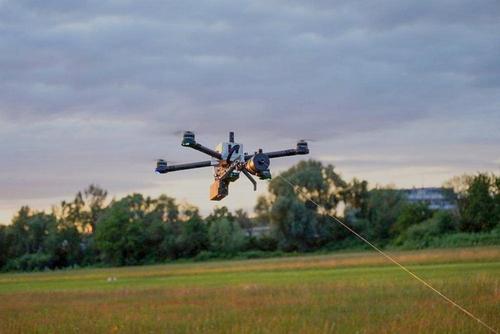
According to him, the RPC is already deploying a network of franchise assembly shops for the drone, in addition to the main production in Veliky Novgorod.
Some of the production facilities will be based in the European part of Russia, and some of the laboratories will be based near the combat zone. Ready-made drone kits will be brought there and assembled, as well as retrofitted for a specific task.
Chadaev added that the RPC specialists are conducting consulting work with Russian developers of their own fiber optic solutions in the field of unmanned systems.
The FPV drone with fiber optic communication "Knyaz Vandal Novgorodsky" was developed at the RPC "Ushkuynik" and first tested in combat conditions in August 2024. The device is not susceptible to electronic warfare.
Earlier www1.ru reported that a new launcher was developed for the Lancet series kamikaze drone.
Read materials on the topic:
Have time to destroy in 20 seconds: Russian military installed "Kornet" on a buggy
Russian military replaced the liners of the artillery gun barrel and increased its accuracy
It's getting harder to recognize: futuristic shots of a bizarre BTR-80 have appeared
Never miss our newsAdd this site to your preferred sources to see us more oftenAdd on Google

















