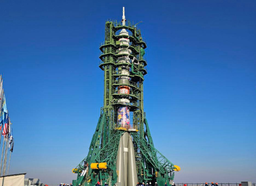
Military expert Konstantin Sivkov explained the origin of the mysterious ion cloud at the moment of impact of the latest Russian missile system "Hazel".
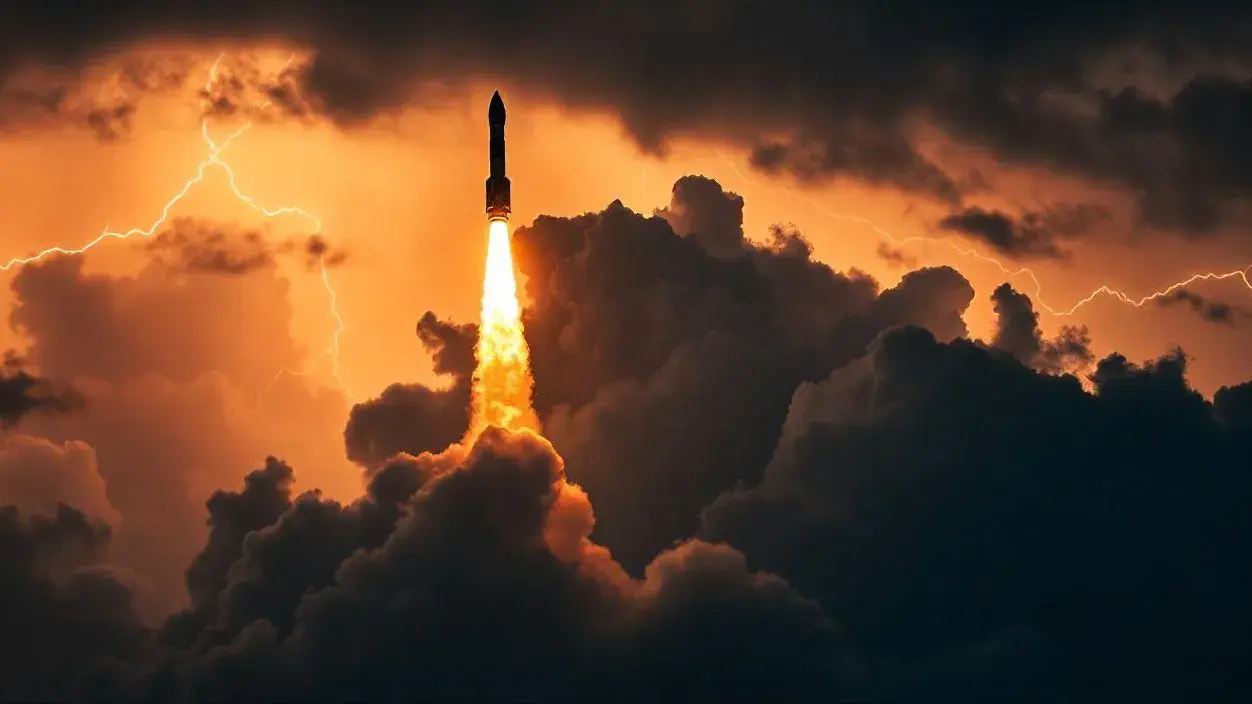
He recalled that all medium-range missiles consist of two stages and a warhead. The first stage takes the ammunition beyond the dense layers of the atmosphere, and the second accelerates it to the specified speed.
Then the warhead itself flies, which has high mechanical strength, since it is it that will have to enter the Earth's atmosphere at great speed.
At this moment, an ion cloud forms around the warhead. It was its glow that could be observed in the video of the strikes. If the missile had not been equipped with a warhead, then there would have been no strike. The rocket would have simply burned up in the atmosphere.
"Hazel" is a missile that can be used with the ability to hit any target at a range of up to 5 thousand km without the real ability of the enemy to oppose anything in terms of interception.
Earlier www1.ru wrote that some T-90M "Breakthrough" tanks have lost the key UUI-1 device for a full-fledged battle.
Read materials on the topic:
New horizons for the "Pantsir-S1": will intercept even ATACMS and enemy drones with a small RCS
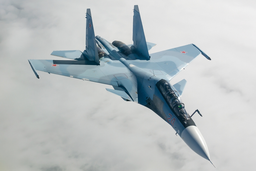
Su-30MS fighters of naval aviation received R-37M long-range missiles into the weapons system
"Celestial Guard" S-400 "Triumph": Belarusian specialists will be able to repair system components