A family of domestic antennas for working with signals from the GPS and GLONASS satellite navigation systems in the L1 and L2 frequency bands has been developed at NSTU NETI. The devices have the potential to be adapted to work with the European satellite navigation system Galileo and the similar Chinese system Beidou. According to the university's press service, the antennas will be useful in Russia for IoT, drones, personal navigation devices, covert tracking, surveillance and control.
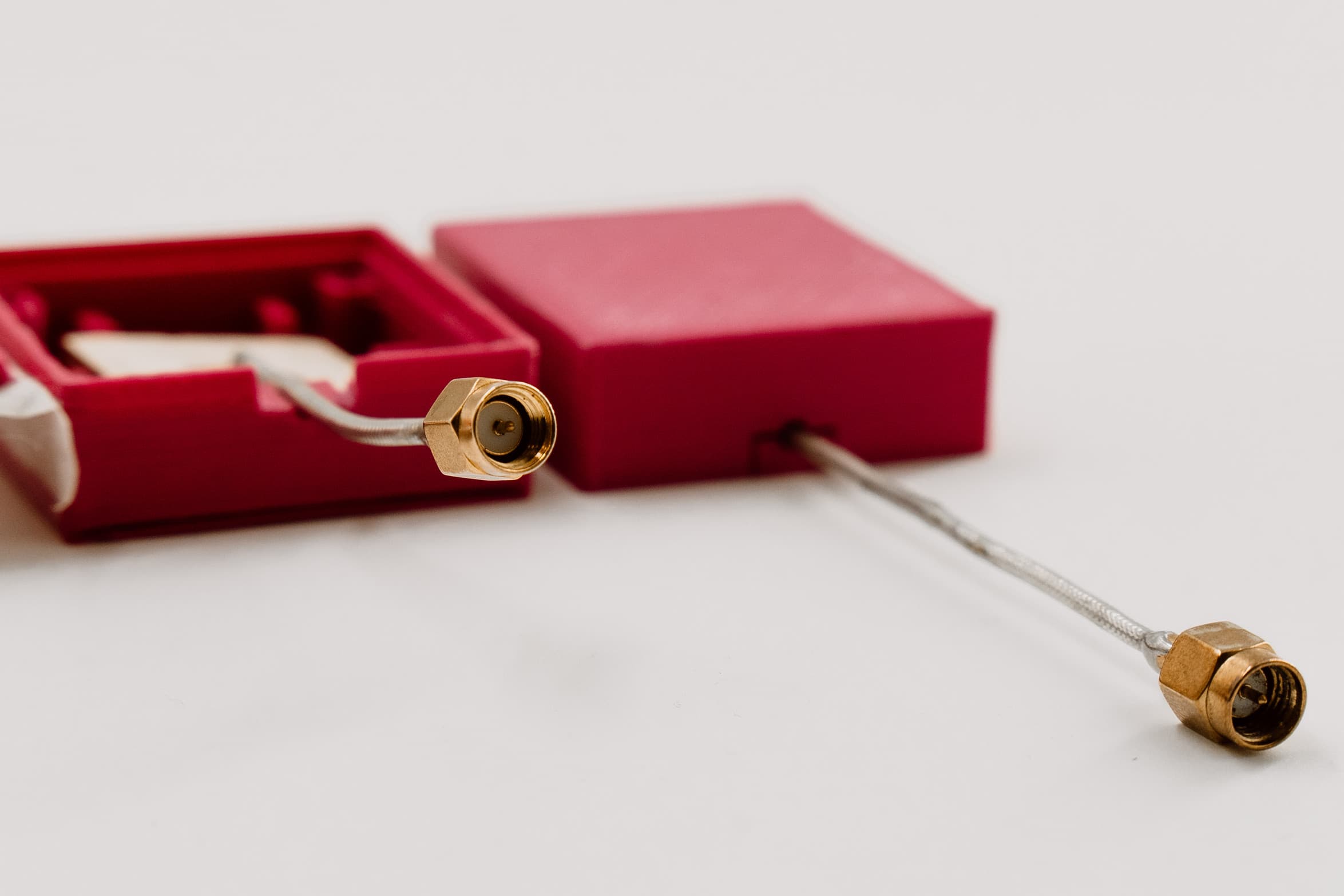
Currently, the project to create a family of new active antennas is at the stage of testing prototypes, with further documentation and patenting ahead.
At the moment, our antennas are 90% domestic. The antenna itself, the amplifier board, and its components are almost entirely represented by the domestic component base. Of course, we strive for 100% localization. Another feature is compactness: the ceramic substrate, which is produced by the project's partner enterprise, has unique characteristics that allow the use of emitters with much smaller geometric dimensions than any analogues.
The developers believe that their antennas for satellite navigation systems will not only help domestic import independence, but also increase the share of Russian navigation equipment in the global market and diversify the domestic market of radio navigation equipment for state and private customers.
In addition, NSTU NETI is conducting research in the direction of multi-band active antennas that can operate in several frequency bands at once and have only one printed emitter and one amplifier path.
Read materials on the topic:
A hybrid tracker for transport monitoring has appeared in Russia
Russia has started producing pneumatic disc brakes for KAMAZ and GAZ trailers and trucks
600 units of forestry equipment connected to the Russian ERA-GLONASS system