The Su-57 fighter became the first domestic fifth-generation fighter for the Russian Aerospace Forces. It is designed to replace previous generation fighter models such as the Su-30SM3 and Su-35S and compete with American models such as the F-35 Lightning II and F-22 Raptor.
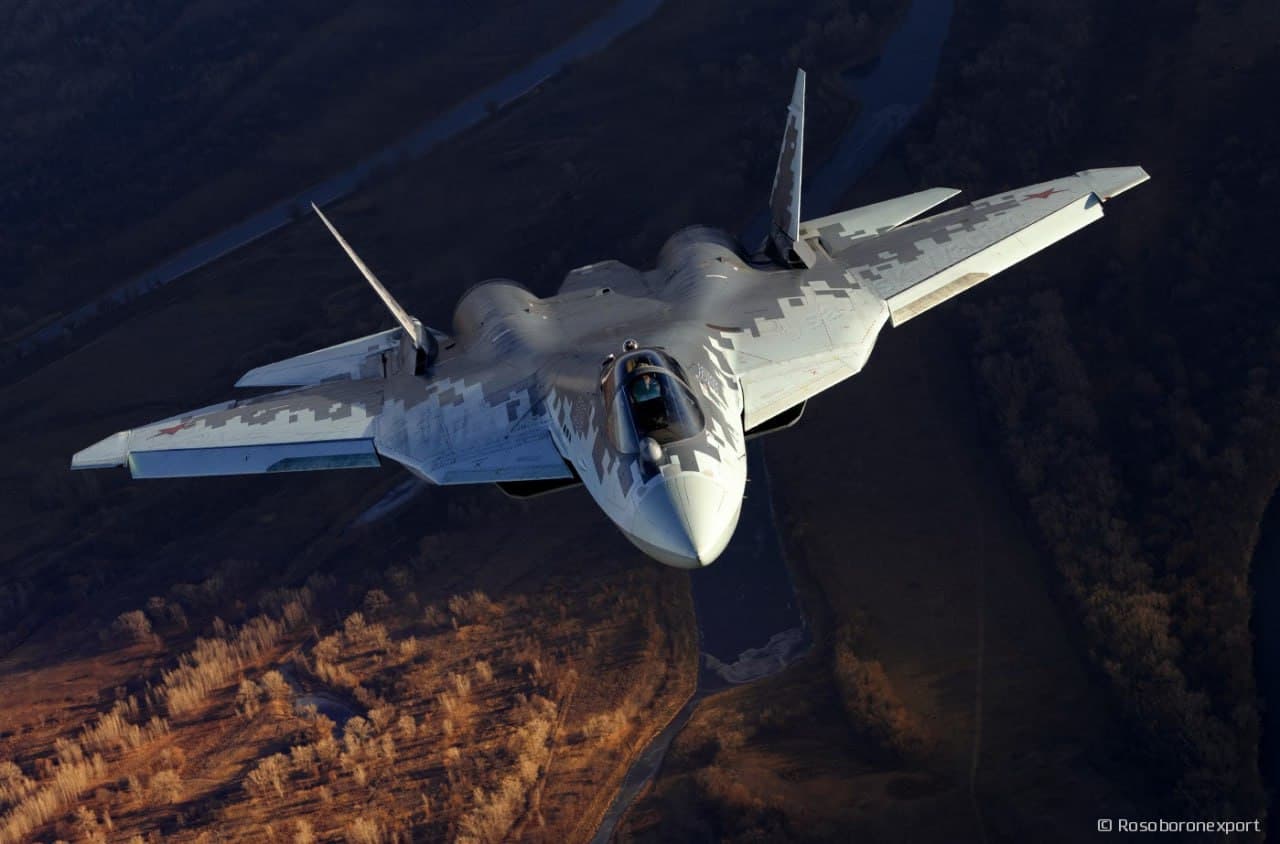
The combat vehicle combines high maneuverability, stealth technologies, advanced avionics systems, and powerful weaponry, making it one of the most promising combat aircraft in the world, even when compared to the few foreign-made analogues.
The Su-57 was designed using radar signature reduction technologies. The fighter's design is optimized to reduce the effective scattering area. The composite materials used in the fuselage minimize the "mirroring" property, making it difficult to detect the aircraft with the AN/MPQ-64F1 radars included in the Norwegian NASAMS-2 SAM system and the AN/MPQ-53/65A radar from the American Patriot-3 complex.
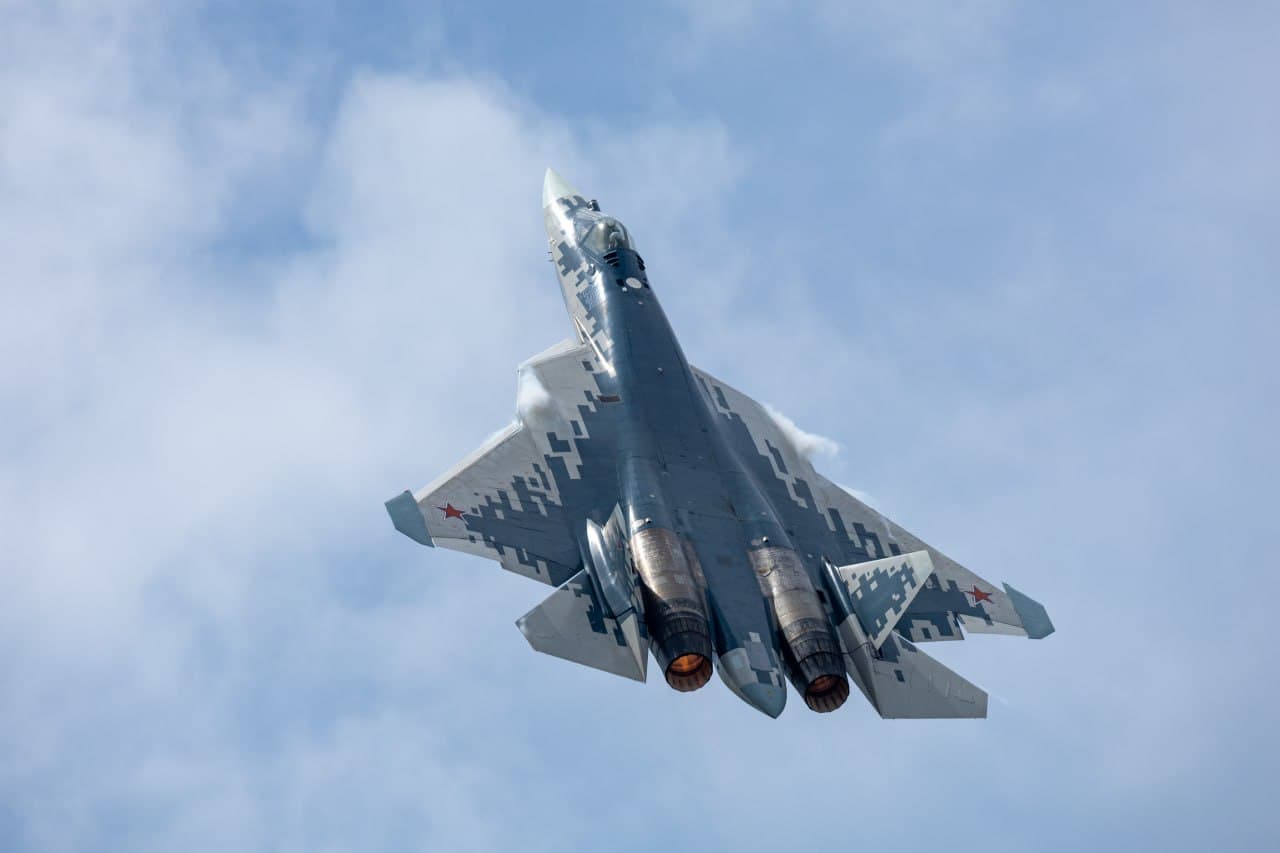
Weapon suspension units are located both on external points and inside the fuselage, which significantly reduces the radar signature of the Su-57 during combat missions. Although in the first case, the fighter loses its stealth, it is capable of carrying more air weapons than when they are placed in the internal fuselage space.
The design features of the aircraft provide excellent aerodynamic maneuverability, and the shape of the aircraft glider is optimized for high lifting characteristics.
Integrated air intakes and a wing with a wide sweep improve handling and stability at high speeds. The heart of the Su-57 is the latest generation engines. Currently, the "AL-41F1" engine is used, but the second stage engine - "Product 30" - is already being actively developed for serial production. It was first publicly demonstrated in China at the AirShow China-2024 international exhibition.
Earlier www1.ru reported that an expert found a radical solution to the problem of the shortage of AEW&C aircraft for the Russian Aerospace Forces, he proposed reviving the Yak-44.
Read materials on the topic:
Oreshnik missile system: difficult to detect and impossible to intercept