Scientists at the M.V. Lomonosov Institute of Fine Chemical Technologies (RTU MIREA) have developed a new hydrogel based on gelatin. This material may find application in flexible medical electronics, bioengineering, and other fields.

Hydrogels are three-dimensional polymer structures. They can absorb water while maintaining their shape. The new material has important properties such as self-healing, the ability to reproduce complex geometric shapes, biocompatibility, and non-toxicity.
Gelatin type B was chosen for the work, characterized by a low bloom level (from English Bloom, this is a test to measure the strength of the gel. The choice was also made in favor of type B gelatin due to its minimal tendency to form toxins, which expands the possibilities of its use in medical applications.
3-Isocyanatopropyl triethoxysilane (ICPTES) was used as a modifier in the new hydrogel to create a biocompatible structure. The new material is suitable for use as a membrane for medical sensors.
Earlier, www1.ru reported that in Novosibirsk they created the first Russian sample of a graphene sensor.
Read more on the topic:
A Glycated Hemoglobin Analyzer G 01 Was Created in Yekaterinburg
Geropharm Registered Semavik to Replace Ozempic for Diabetics
Neural Implants, Subcutaneous Sensors: MIPT Created an Ultra-Flexible Biocompatible Flash Drive
Now on home

Герой России Гарнаев: никто из профессионалов о возобновлении производства на КАЗ всерьёз не говорит
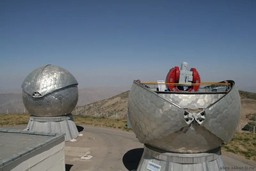
Система отслеживает спутники на высотах до 50 000 км и ведёт за ними наблюдение

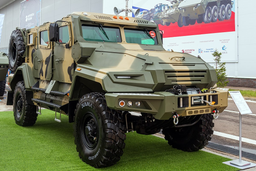
The armored vehicle is equipped with a KamAZ-740.35-400 diesel engine with a power of 400 hp.
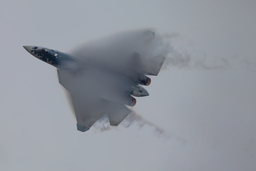
Constant improvements in avionics, weapons and tactical capabilities will make the aircraft a flexible response to future challenges

The exterior of the KamAZ-54901 features fairings on the cab and chassis for fuel economy
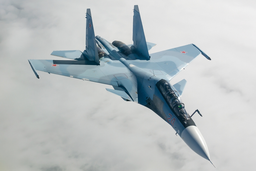
Fighters are in demand both domestically and abroad

Tyazhpromexport and Venezuela Agree on Plant Revival
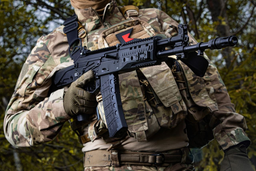
The company not only completed the state order, but also quickly mastered the production of AK-12K for special forces
Experts have developed a photogrammetric complex with a resolution of less than 1 cm