The Russian fifth-generation Su-57 fighter has arrived in China for the first time and is participating in the Airshow China-2024 International Aerospace Exhibition in Zhuhai. However, according to experts at Bulgarian Military, the aircraft at the exhibition has tarnished its reputation as a fast, stealthy, and invulnerable ally or enemy.
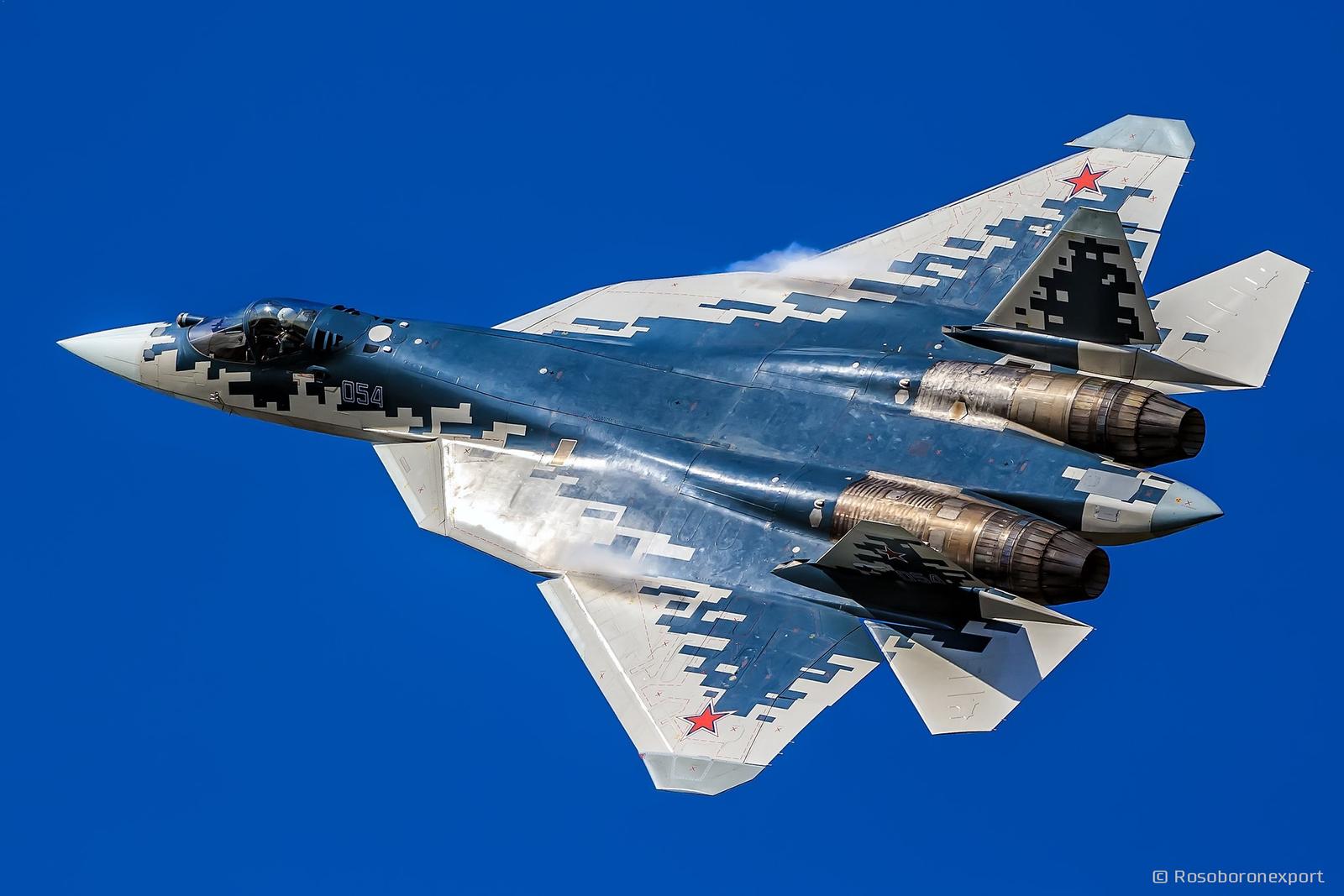
One of the observers at the airshow captured the fighter very closely, and the images went viral: this Russian combat vehicle is almost impossible to see and discern up close. It turned out that the Su-57 has many screws on the fuselage and wings, not rivets, which are usually used in the construction of stealth aircraft.
Rivets improve the aerodynamic properties of stealth aircraft: they provide a smooth surface, optimal for applying radar-absorbing coatings, which minimizes air resistance, allowing for more efficient and maneuverable flight. Rivets also ensure a more uniform application of specialized coatings compared to screws, which may require rework and lead to microcracks.
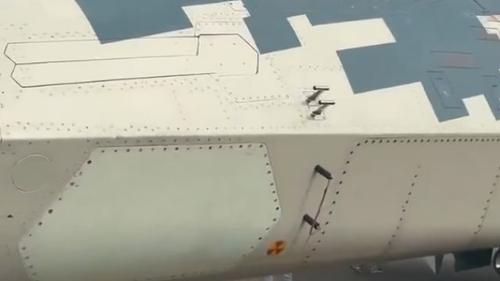
The use of screws instead of rivets raises serious concerns about the aircraft's stealth from radar. Rivets create a stronger and smoother connection between panels, while screws protrude slightly, reflecting radar waves. This difference is crucial, as even the slightest surface irregularities can increase the likelihood of the aircraft being detected by radar. Each such irregularity degrades the aircraft's stealth, making it more vulnerable to enemy radar systems. Moreover, riveted joints ensure structural integrity under the intense loads experienced during high-speed maneuvering. Unlike screws, which can loosen due to vibration, riveted joints remain reliable and stable, which is a vital requirement for aircraft operating in combat conditions.
The aerodynamic properties of stealth aircraft are also improved by riveting; the smooth surface it provides minimizes air resistance, allowing for more efficient and maneuverable flight. At such speeds, especially near or exceeding the sound barrier, even minor surface irregularities can significantly affect aerodynamic performance.
In addition, a smooth surface is required for applying radar-absorbing coatings. Rivets ensure a more uniform application of these specialized coatings compared to screws, which may require rework and lead to microcracks. Any defects in this coating not only increase the risk of detection but also reduce the effectiveness of the camouflage technology itself.
But experts, however, put forward another theory: the screws on the Su-57 that arrived in China may represent a temporary attachment used during the prototyping stage or for a pre-production aircraft to facilitate possible modifications or repairs. Alternatively, the screws were used to attach easily replaceable panels or components that required quick access during maintenance. Such panels are usually located in areas that are considered less important in terms of radar visibility. However, such explanations did little to appease skeptics, who argued that the screws disrupt the streamlined aerodynamic shape of the aircraft and impair its ability to absorb radio waves, which is important for ensuring stealth.
However, the Su-57 cannot match its American counterparts in terms of stealth. With an effective scattering area of 0.1 to 0.5 square meters, the Su-57 remains visible to radar, which calls into question the effectiveness of the stealth technologies used in its development.
Read more on the topic:
New weapon for the "Criminal": the Su-57 fighter will receive the S-71K "Carpet" tactical missile
Brain of the Iron Bird: Unique shots of the Su-57 computer have appeared
Never miss our newsAdd this site to your preferred sources to see us more oftenAdd on Google