A new therapy for treating spinal cord injuries based on trace amines—poorly studied biologically active substances—has been launched in Russia. The research was initiated at the Sirius University of Science and Technology with the support of the Russian Science Foundation. The project could be a breakthrough in the development of therapeutic drugs that will help patients recover more effectively from serious spinal cord injuries and other nervous system damage.
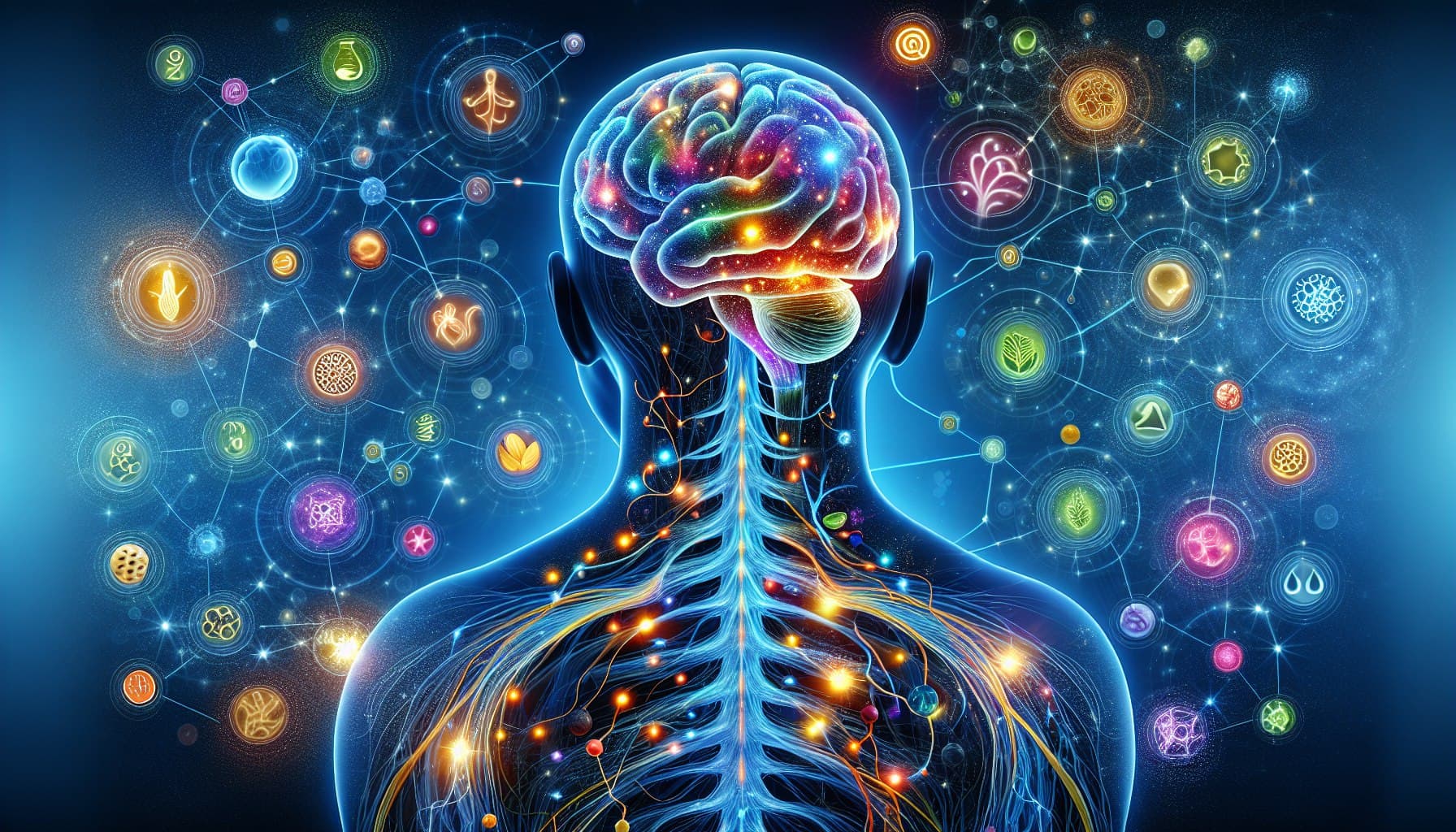
Spinal cord injuries account for up to 26% of all injuries, and Russia ranks second in Europe in terms of the incidence of such injuries. These injuries can significantly affect motor function and sensitivity, and can also lead to complications from the cardiovascular, respiratory, and gastrointestinal systems.
Trace amines are biologically active substances that are present in the body in very small concentrations. They are structurally similar to serotonin, dopamine, and norepinephrine and play an important role in regulating various physiological processes. These substances can be synthesized in the body or enter it from fermented products.
In experiments on mice with a disabled gene encoding the trace amine receptor, neurobiologists at Sirius discovered a link between this receptor and changes in sensorimotor functions. This discovery suggests that a deeper study of the participation of trace amine receptors in physiology and pathology could lead to the development of new therapeutic approaches for regeneration and repair after head and spinal cord injuries, as well as for the treatment of neurodegenerative diseases. The project manager, Senior Researcher Daria Kalinina, noted the importance of these studies for creating effective methods for patient recovery.
Read more on the topic:
Russian scientists will be able to restore the human spinal cord after injury
No to phantom pains: sensitivity of cyber prostheses increased in Vladivostok