In Russia, they have developed their own "smart" diagnostic system for the technical condition of "Lastochka" electric trains. It will predict upcoming service work and assist in operation during unmanned driving of trains.
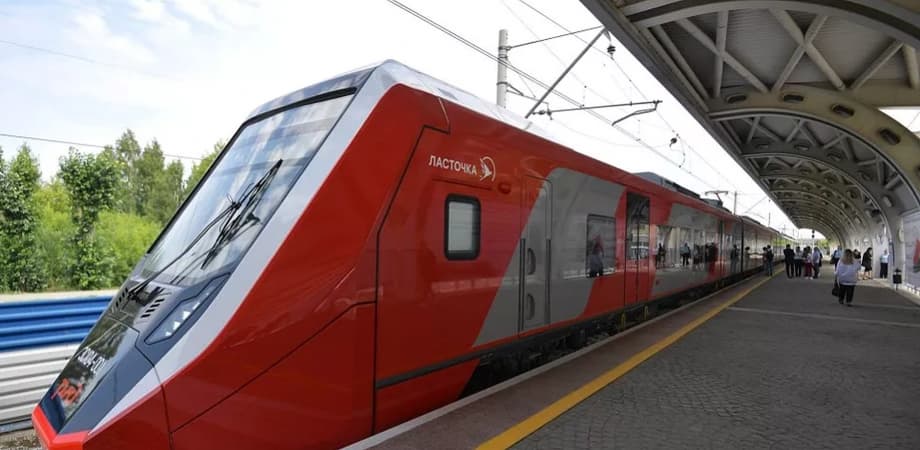
Thanks to this system, decisions on the admission and operating modes of trains will be made based on the analysis of data obtained during their operation, as well as using digital twins and artificial intelligence.
As part of the "Digital Transportation-2024" forum, the general director of FSUE "ZashchitaInfoTrans" Ilya Perevalov answered the question of why the system is being implemented in the "Lastochka", and not in the domestic "Finist". He promised that all developments will be preserved in the future.
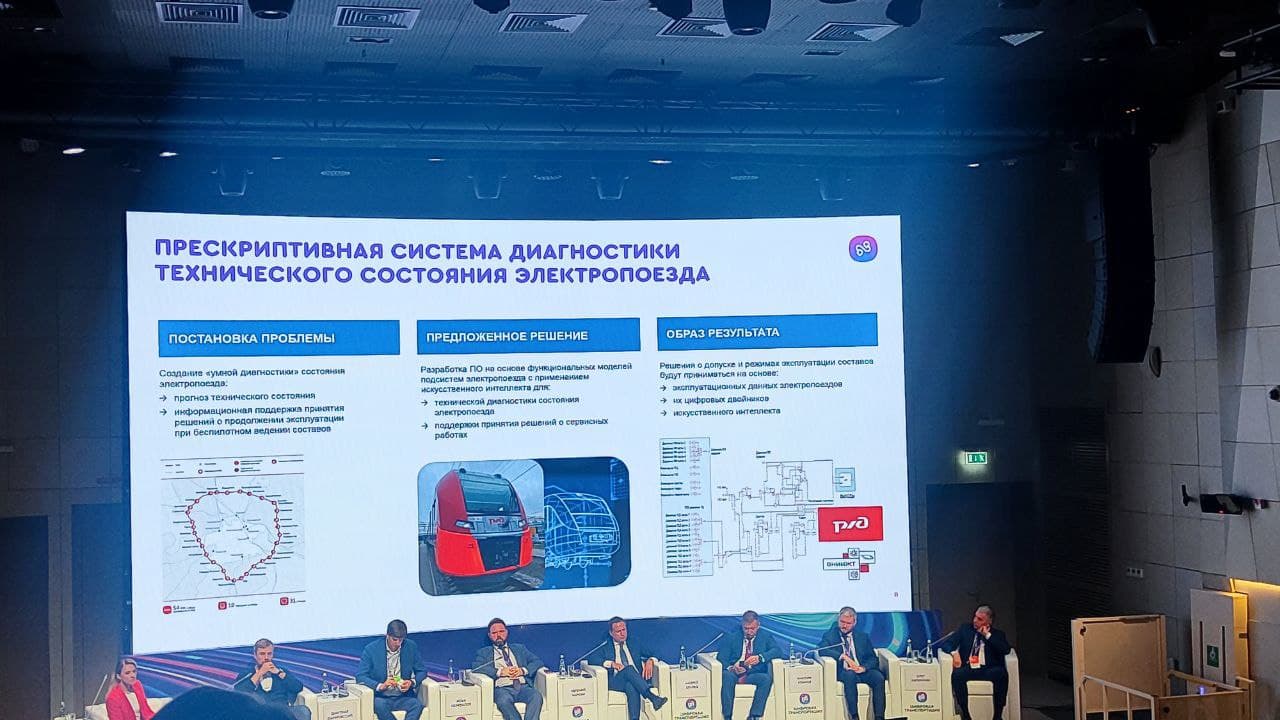
The systems used in the "Lastochka" will be integrated into a domestically produced train. Nothing will be lost, all investments will be earned. When we receive an import-substituted train, it will have artificial intelligence technologies.
As a reminder, in August, Russian Railways launched the unmanned "Lastochka" train for the first time in Russia, and it began transporting passengers on the Moscow Central Circle. After passengers boarded, the driver closed the doors of the "Lastochka", and the train set off on its own.
The next level of automation - the fourth - will be without a driver in the cab. Russian Railways reported that such trains are planned to be launched in 2026. The train will be developed on the "Finist" platform - a Russian analogue of the "Lastochka".
Now on home

Start of deliveries scheduled for 2027

Over 51,000 new motorcycles were sold in Russia in 2025

The car will take at least a year to assemble

The application's audience has reached 20 million users

The model will be included in the list of cars for taxis, price - from 2.25 million rubles

All parking lots of the "Administrator of the Moscow Parking Space" are connected to the service

The cars will be supplied to the Moscow Transport Service Directorate

Deliveries to India may begin in 2028

The technology provides automated search for all types of defects in power units

The plane flew 500 km, accelerating to 425 km/h

The plant stated that the information about the termination of purchases for models 6 and 8 is not true

Scientists are using the "Ekran-M" installation