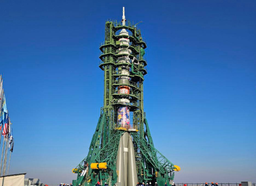
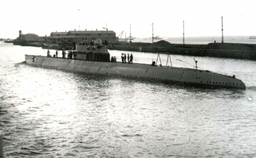
The most destructive and powerful weapon is in service with the 25th Submarine Division of the Russian Pacific Fleet. It is at a very high level of readiness for use, according to Admiral Alexander Moiseev, Commander-in-Chief of the Russian Navy.
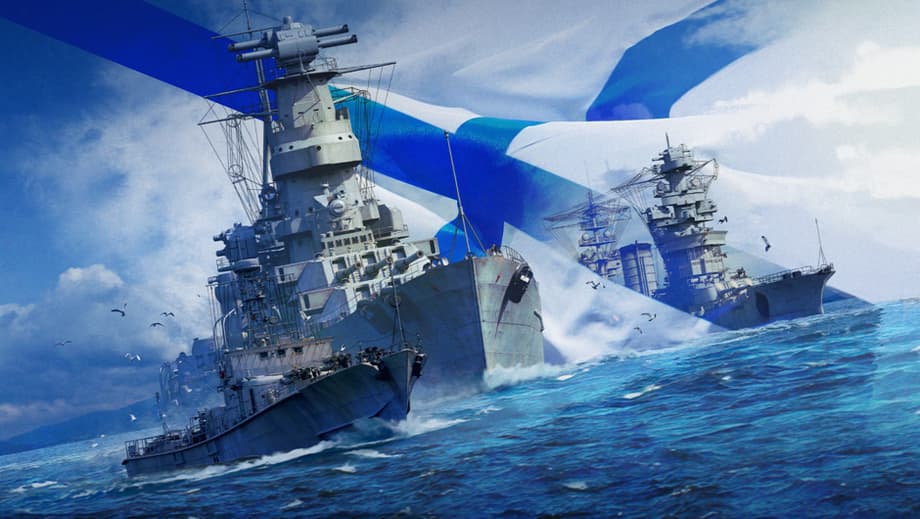
According to him, the level of combat training of nuclear-powered strategic missile submarines of the Pacific Fleet is at the highest level.
I am directly involved in managing these forces, I see how these tasks are solved by the ships. It should be noted that these are modern ships. This is a completely different level of technology. Weapons that, first of all, are of the highest technical reliability. And I won’t even mention the readiness to use weapons — it’s extremely high.
The Commander-in-Chief of the Navy added that the 25th Submarine Division has been using the most complex systems created by mankind for 50 years — nuclear-powered submarines, "which are armed with the most powerful and destructive weapons."
Earlier, www1.ru wrote that the Russian Buk-M2s opened the hunting season for F-1 fighters. Fighters can easily identify enemy aircraft by their aerodynamic characteristics and shoot them down.
Read also:
Uncover secrets: Russian engineers will gain access to American technologies
Now on home

Герой России Гарнаев: никто из профессионалов о возобновлении производства на КАЗ всерьёз не говорит

Система отслеживает спутники на высотах до 50 000 км и ведёт за ними наблюдение


The armored vehicle is equipped with a KamAZ-740.35-400 diesel engine with a power of 400 hp.
Constant improvements in avionics, weapons and tactical capabilities will make the aircraft a flexible response to future challenges

The exterior of the KamAZ-54901 features fairings on the cab and chassis for fuel economy
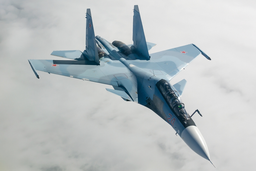
Fighters are in demand both domestically and abroad

Tyazhpromexport and Venezuela Agree on Plant Revival
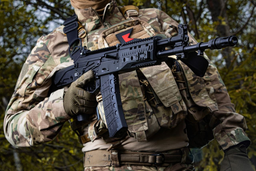
The company not only completed the state order, but also quickly mastered the production of AK-12K for special forces
Experts have developed a photogrammetric complex with a resolution of less than 1 cm