Electronic warfare (EW) units of the marine infantry of the Russian Armed Forces have developed a compact station capable of suppressing control channels of enemy strike drones, jamming mobile networks, satellite internet, and radio communications.

The device was assembled from available components in conditions close to the line of combat contact. The entire assembly process, including preparation, setup, and testing, took about two days.
The military noted that such devices are already installed on various equipment and unit positions. Most of them are functioning successfully, except for those damaged in battle.
The unit also conducts constant radio-technical reconnaissance to configure the equipment to the required ranges in order to suppress enemy strike assets. Thanks to the timely supply of components and changed approaches, almost all equipment is now equipped with electronic warfare capabilities.
Earlier, Forbes highly praised the Russian tethered drone "Vandal Novgorodsky." The UAV operates via a fiber optic line, so any electronic warfare equipment is powerless against it.
Read more on the topic:
Deadly injection: Chinese all-terrain vehicle Desertcross 1000-3 armed with MANPADS "Igla-S"
Miracles of combat maneuverability: Rostec spoke about the exceptional qualities of the Ka-52
Now on home

Герой России Гарнаев: никто из профессионалов о возобновлении производства на КАЗ всерьёз не говорит
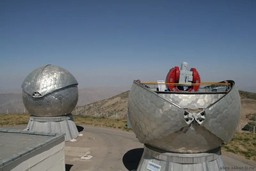
Система отслеживает спутники на высотах до 50 000 км и ведёт за ними наблюдение


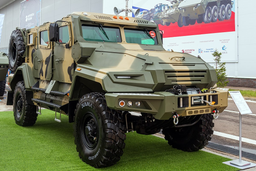
The armored vehicle is equipped with a KamAZ-740.35-400 diesel engine with a power of 400 hp.
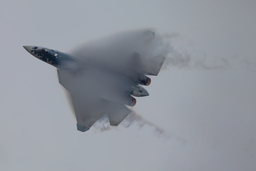
Constant improvements in avionics, weapons and tactical capabilities will make the aircraft a flexible response to future challenges

The exterior of the KamAZ-54901 features fairings on the cab and chassis for fuel economy
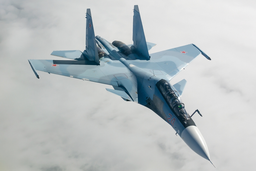
Fighters are in demand both domestically and abroad

Tyazhpromexport and Venezuela Agree on Plant Revival
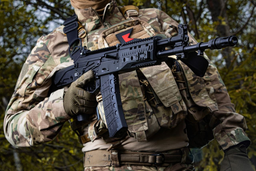
The company not only completed the state order, but also quickly mastered the production of AK-12K for special forces
Experts have developed a photogrammetric complex with a resolution of less than 1 cm