The Soviet and Russian long-range air-to-air missile R-33 (K-33, "Product 410", NATO classification: AA-9 Amos), developed by specialists from the Vympel Design Bureau, can intercept aerial targets, including cruise missiles, at a maximum speed of up to 3000 km/h. Its carrier is the MiG-31 interceptor fighter, writes the Eurasian Times.
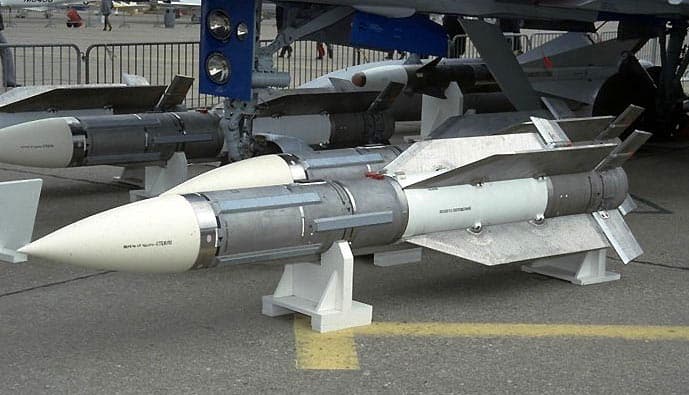
When initially deployed in 1981, the R-33 missile had a combination of inertial and semi-active radar homing, with a range of 120 km. The USSR developed the missile to engage large, high-speed targets such as the Lockheed SR-71 Blackbird, Rockwell B-1 Lancer, and Boeing B-52 Stratofortress aircraft.
Using the R-33, MiG-31 pilots can also engage US Air Force F-15 Eagles far beyond the range for a retaliatory strike. At the same time, the missile had a conventional 55-kilogram warhead. An improved version of the R-33S missile received an active homing head.
Russia has developed a successor to the R-33 called the R-37. The missile is equipped with a dual-pulse rocket engine, making it powerful and maneuverable. It is effective not only against large, low-maneuverability targets such as bombers, AWACS aircraft, and tanker aircraft, but can also engage fighters.
Read more on the topic:
Nuclear version of the air-to-air missile R-37M: what it is capable of
"Invisible" and Su-57: Russian aviation began to use advanced stealth missiles Kh-59MK2
Now on home

Герой России Гарнаев: никто из профессионалов о возобновлении производства на КАЗ всерьёз не говорит
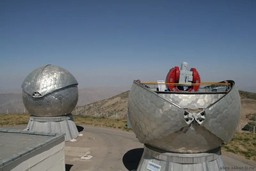
Система отслеживает спутники на высотах до 50 000 км и ведёт за ними наблюдение


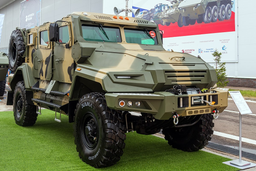
The armored vehicle is equipped with a KamAZ-740.35-400 diesel engine with a power of 400 hp.
Constant improvements in avionics, weapons and tactical capabilities will make the aircraft a flexible response to future challenges

The exterior of the KamAZ-54901 features fairings on the cab and chassis for fuel economy
Fighters are in demand both domestically and abroad

Tyazhpromexport and Venezuela Agree on Plant Revival
The company not only completed the state order, but also quickly mastered the production of AK-12K for special forces
Experts have developed a photogrammetric complex with a resolution of less than 1 cm