The Shahed 136 drone, which in the West is called the prototype of the Russian "Geran-2" UAV, was developed in Iran and entered service in 2020. The Meta Defence publication named the main differences between the aircraft.
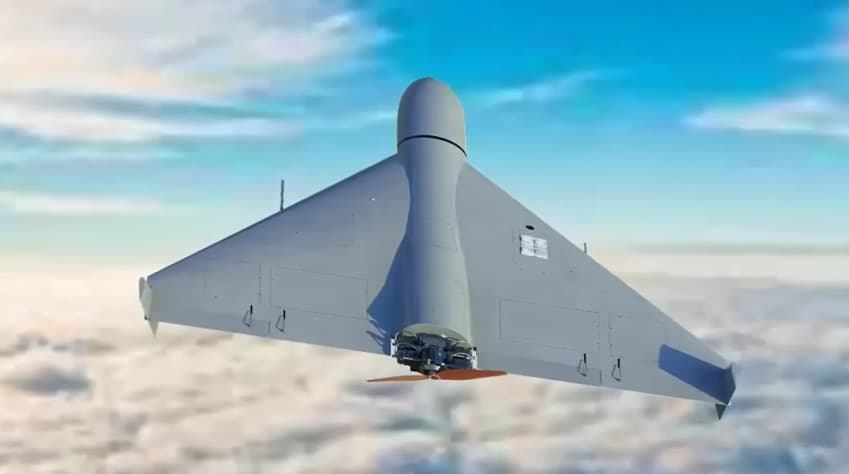
Shahed 136 is a simple UAV, its length is 3.5 m, width is 2.5 m. The drone weighs a maximum of 240 kg and carries a load of up to 50 kg. The drone is made of composite materials, it is powered by a 4-cylinder MD 550 piston engine with a capacity of 50 hp. Originally developed in Germany, this engine is now produced in China and Iran. Shahed 136 develops a maximum speed of 185 km/h.
According to Meta Defence, the Russian "Geran-2" differs from the Iranian models. The drone is made of fiberglass reinforced with carbon fiber. It received a "Comet-M" antenna working in tandem with GLONASS.
Russian UAVs are structurally simpler than the Shahed 136, but have improved electronics, and their flight is stable. Some of the electronics are produced in Russia, the rest are purchased in other countries. The combat load is 90 kg. The range of the "Geran-2" exceeds 1000 km. The drone can carry a thermobaric or high-explosive fragmentation charge.
In addition, the "Geran-2" can carry a trap in the form of a Luneburg lens, which increases radar visibility. UAVs with traps divert enemy missiles, reducing the effectiveness of its air defense system. Meanwhile, drones with a combat charge reach their target.
Read more on the topic:
Now on home

Герой России Гарнаев: никто из профессионалов о возобновлении производства на КАЗ всерьёз не говорит
Система отслеживает спутники на высотах до 50 000 км и ведёт за ними наблюдение


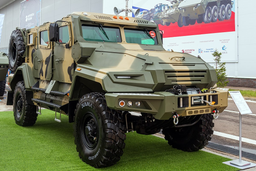
The armored vehicle is equipped with a KamAZ-740.35-400 diesel engine with a power of 400 hp.
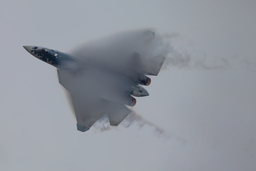
Constant improvements in avionics, weapons and tactical capabilities will make the aircraft a flexible response to future challenges

The exterior of the KamAZ-54901 features fairings on the cab and chassis for fuel economy
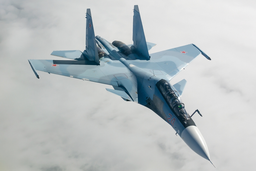
Fighters are in demand both domestically and abroad

Tyazhpromexport and Venezuela Agree on Plant Revival
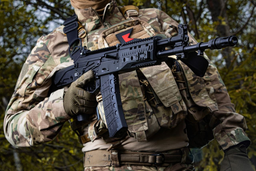
The company not only completed the state order, but also quickly mastered the production of AK-12K for special forces
Experts have developed a photogrammetric complex with a resolution of less than 1 cm