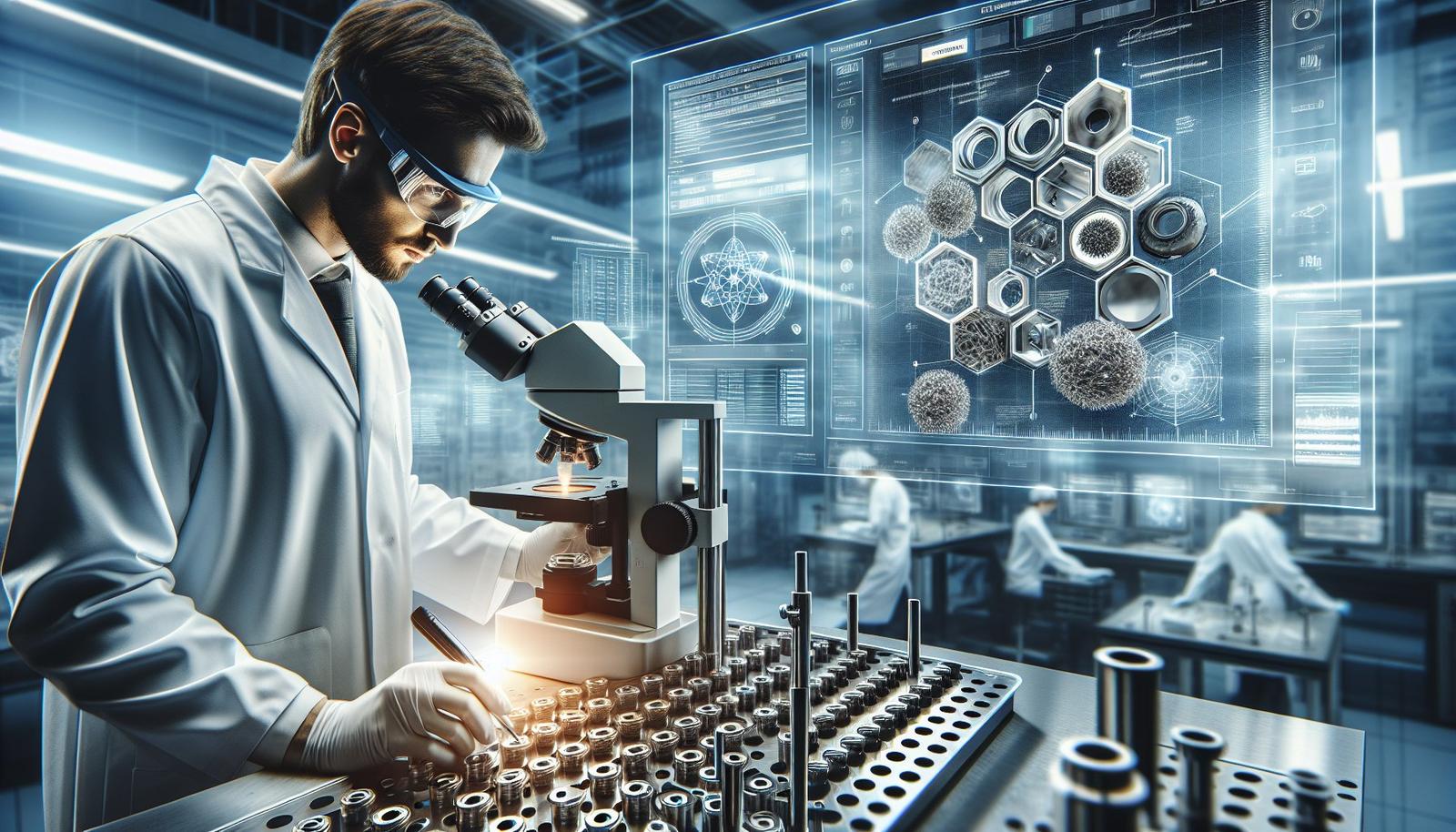
The Mining and Chemical Combine (part of the "Environmental Solutions" division of the Rosatom State Corporation) is testing steel in Zheleznogorsk for the associated equipment of a new research molten salt reactor (MSR). It will be launched in 2030.
The research reactor, which is planned to be created at the Mining and Chemical Combine in Zheleznogorsk, is an important project from an environmental point of view. It will serve to develop technologies for the disposal of minor actinides - long-lived highly radiotoxic isotopes that remain after the processing of spent nuclear fuel from currently operating thermal reactors. In the future, only a few such reactors will be able to process the entire volume of the most dangerous elements of spent nuclear fuel produced by thermal reactors in the country.
The program and methods of research and development work were developed at MCC in conjunction with the Ural Federal University, which supplied part of the equipment for this project.
The steel samples will have to spend 4,000 hours in an aggressive environment: in molten salts heated to almost 700℃ and containing minor actinides.
During the experiment, scientists will be able to:
- confirm the possibility of using the selected steel samples in the project;
- track the change in the impurity composition of the salt as a result of corrosion of the samples (samples will be taken during the experiment);
- test the method of cleaning fuel salt.
Then the steel samples will be removed, decontaminated and the necessary measurements will be taken to determine their mechanical and corrosion properties. Based on the results of the research, a conclusion will be made as to whether this steel is suitable for the manufacture of auxiliary equipment or not.
What are minor actinides
Minor actinides are elements formed in uranium nuclear fuel (in addition to plutonium) during operation in any reactor. Of these, isotopes of neptunium, americium and curium cause the greatest difficulties during storage and processing of spent nuclear fuel. These are the most dangerous components of nuclear waste, which require special conditions for transportation, storage and final disposal.
They have high radioactivity and toxicity, release a lot of heat, and have a long half-life, measured in millennia. According to scientists' estimates, burning minor actinides will help achieve radiation equivalence of the original uranium raw materials and nuclear waste in just 300 years. This is 2300 times faster than with the usual modern nuclear fuel cycle and modern methods of waste disposal.
The inclusion of minor actinides in the fuel of fast reactors will make it possible in the future to "burn" americium and neptunium, significantly reduce the amount of waste to be disposed of in deep geological formations, and in the future move to near-surface disposal. The balanced nuclear fuel cycle, which Rosatom is currently developing, will help in the future to ensure a sustainable consumption and production model for future generations and minimize the volume and degree of hazard of waste to be disposed of.
Read materials on the topic:
Rosatom is transporting a 750-ton melt trap for the Paks-2 NPP to Hungary
Never miss our newsAdd this site to your preferred sources to see us more oftenAdd on Google

















