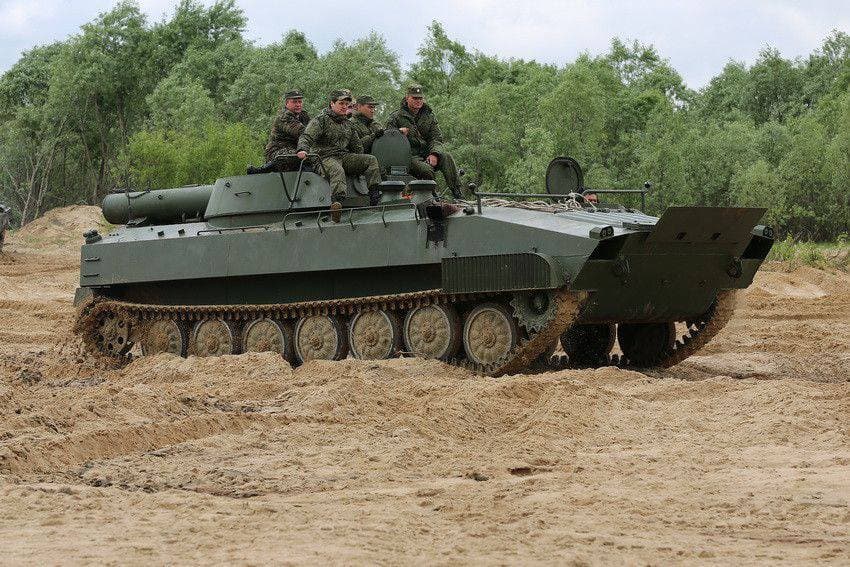
Russian military personnel at the forefront are actively using the UR-77 "Meteorit" self-propelled rocket mine clearing system. The device helps to make passages in minefields and facilitate the advancement of heavy equipment.
Towing rockets deliver 93-meter UZP-77 detonating charges to a distance of 250 - 340 m, ensuring the formation of 90-meter corridors in mine barriers in the area of the intended breakthrough of motorized rifle units.
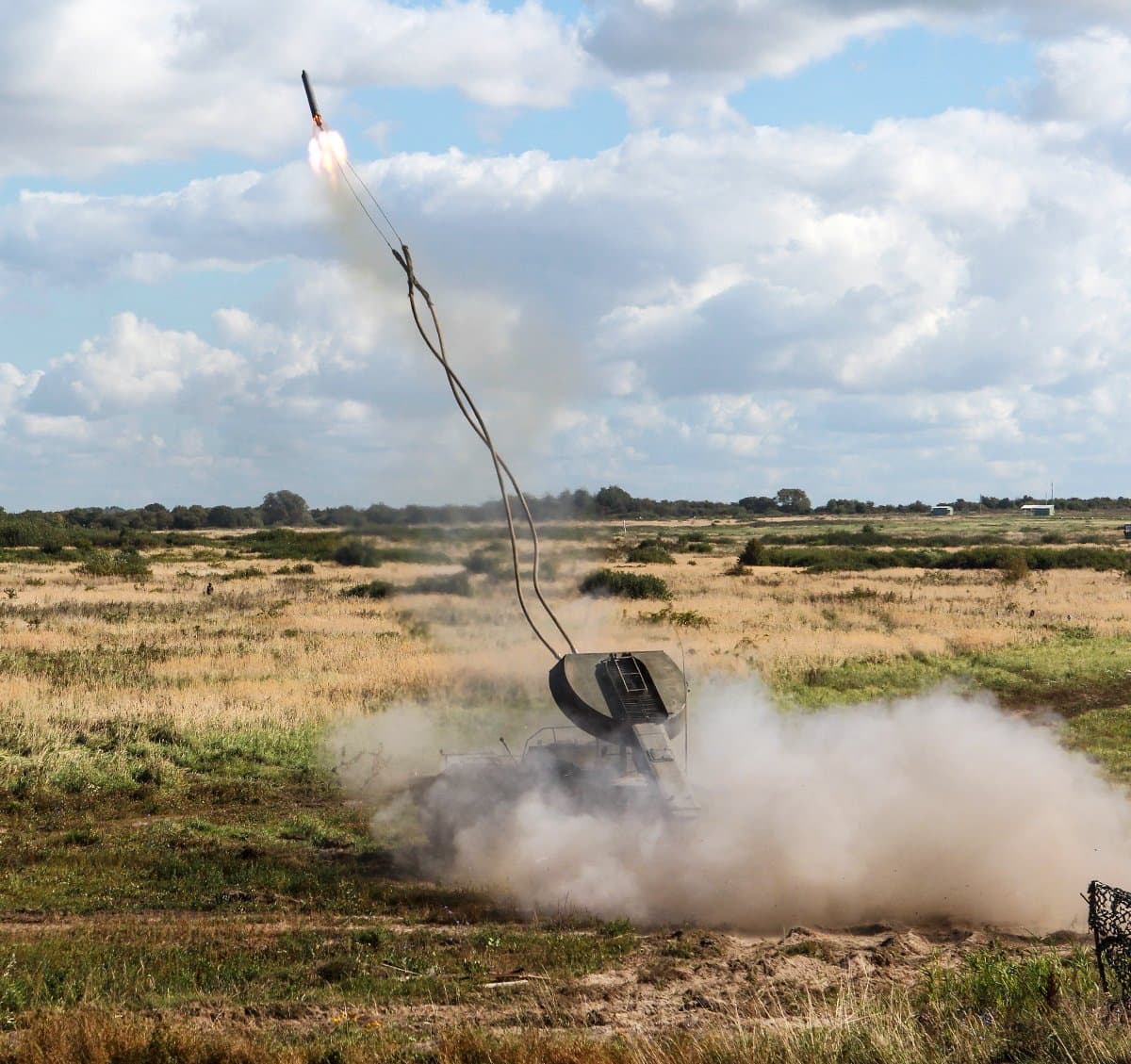
The charges break through anti-tank minefields with passages ranging from 75 to 90 m in length and about 6 m in width. The warhead of the projectiles consists of two flexible explosive-filled sleeves, up to 93 m long. They are fired using a rocket, which stretches the sleeves across the minefield, with a maximum range of almost 100-meter charge reaching up to 500 m.
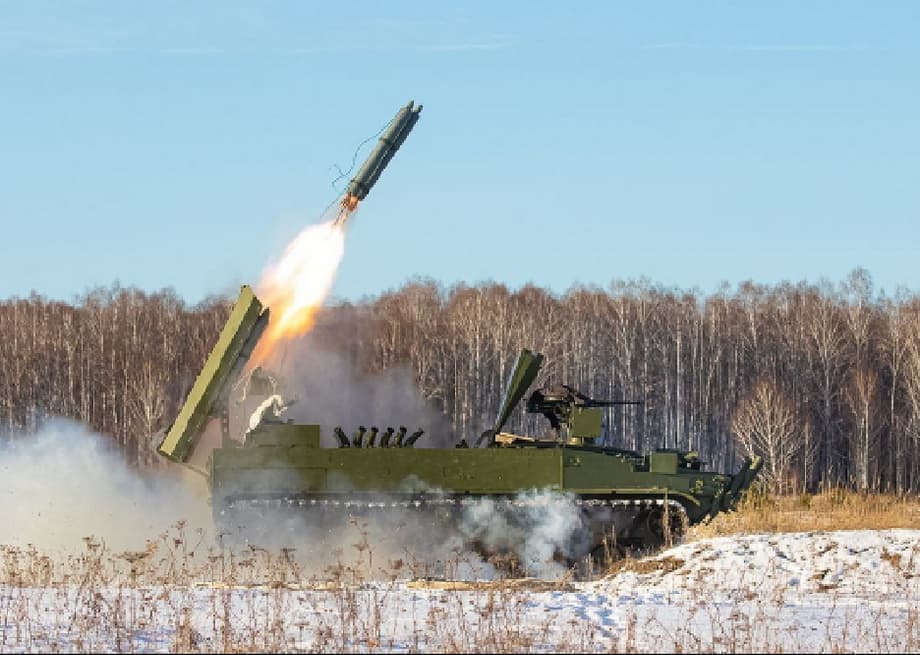
Then the "Meteorit" reverses, using ropes to align the explosive "hoses" in a line, a remote detonation is carried out, and the shock wave causes the enemy's mines to detonate. UZP-77 charges are also used to destroy enemy fortification hubs and fortifications. Due to its futuristic principle of operation, the roar during use, and the monstrous force of the explosion, the military has nicknamed the system "Zmey Gorynych".
There are no direct analogues to the "Meteorit" in the world. The only mine clearing complex that works on a similar principle is in service with the US Army and is called the M58 MICLIC. However, it works more primitively: a special metal blank is fired towards the target, after which the winch winds the cord, the equipment moves forward, and everything is repeated again.
Earlier www1.ru reported that the Russian Armed Forces on the front lines have mastered the tactics of remote mining with drones. Mine-laying drones are capable of arming a projectile in the air and dropping it.
Read materials on the topic:
Now on home

The service contains data on 45,000 fraudulent sites

The state has accelerated the introduction of unmanned solutions, integrating them into the real sector of the economy

Modernized engines may equip the Lada Azimut crossover

The price is 132 billion 265.8 million rubles

The manufacturer plans to strengthen its lineup of light commercial vehicles

The production of carbon fiber was organized in the shortest possible time

Electric vans will speed up the repair of urban transport infrastructure

Countries are working to synchronize regulations in the field of AI

The service's average daily audience is 55 million people

Stable Isomaterial Based on Metakaolin Has a Density Below 300 kg/m³

Re-identification quality improved twofold with new DynaMix method

Russians will be able to find out about debts online
Articles
-
National Project UAS: How Russia Created Its Own Drone Market
14 Jan 2026
-
No Spare Airfield: Sanctions and Aging Aircraft Fleet May Lead to Crisis
13 Jan 2026
-
ODK Engines Powered 13 Successful Soyuz Launches in 2025
13 Jan 2026
-
Why Russian Authorities Changed Their Mind About Introducing GOST for Video Games: Reasons Given
12 Jan 2026