The ChVA-001-04RP-E long-range radio monitoring system will help Russian Navy ships detect enemy unmanned surface vessels (USVs) at the required distance in the sea area. The new product was developed by the Vector Research Institute (part of the Roselectronica holding of the Rostec State Corporation).
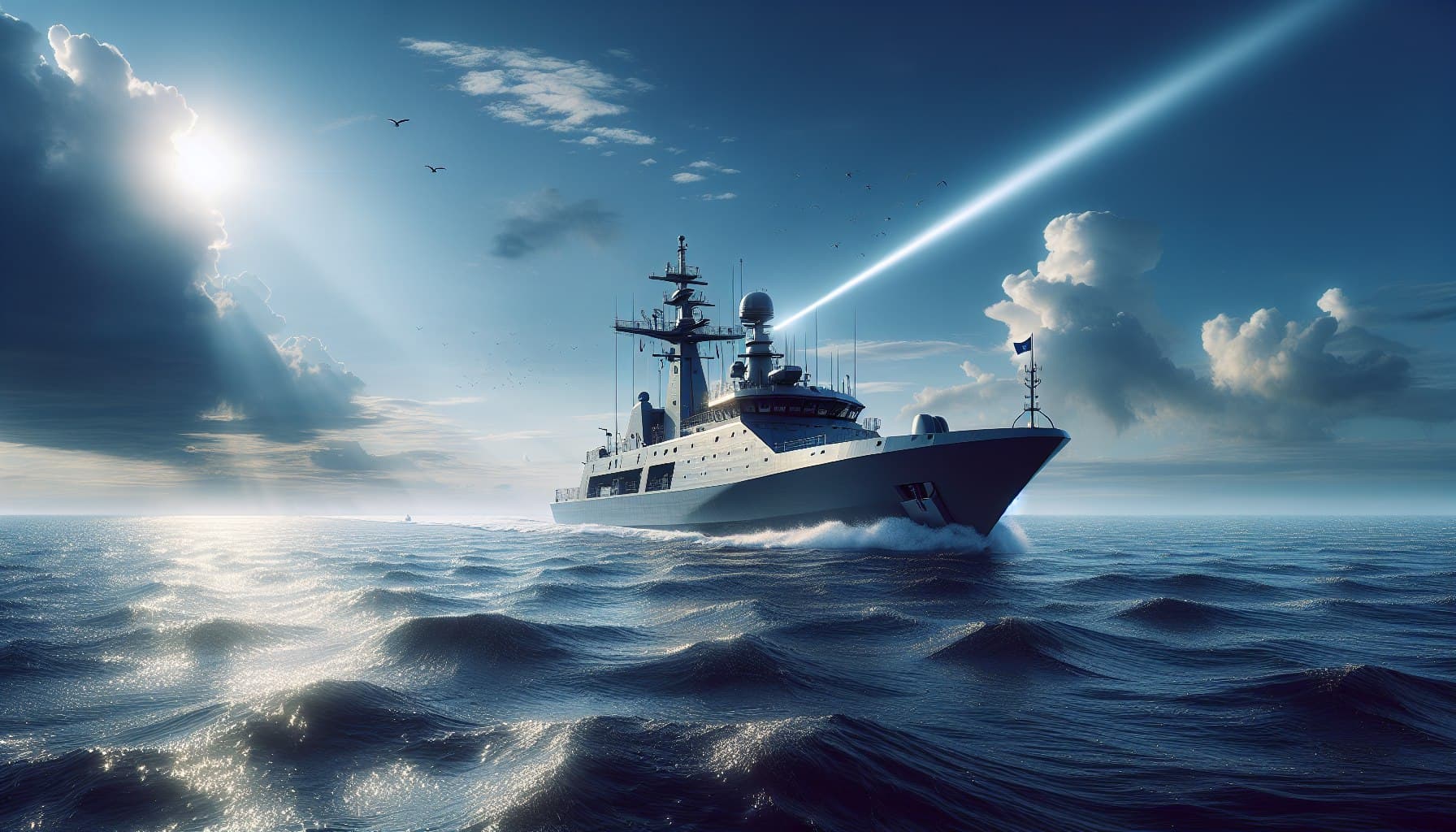
Igor Glebov, the chief designer of the product, said that the main problem in countering boats is that detecting a small target on the water surface by active radar is quite difficult. A more promising way is to track the drone's control signals in passive mode.
The difficulty of detection is related to the peculiarities of receiving a weak signal resulting from spurious emissions. As a result, the detection range is insignificant. By adapting signal processing algorithms to a specific task, significantly greater results can be achieved.
The developer emphasized that the characteristics of the ChVA complex surpass foreign counterparts. It has lower requirements for the placement of antenna devices, a wider operating frequency range, better dimensional characteristics, and lower cost.
Earlier, www1.ru reported that Russian military personnel at the forefront began to use the Strela aircraft-type kamikaze drone. The drone was developed by the Strela Scientific and Production Association.
Read related materials:
Russian military used an analogue of the Baba Yaga drone on the front line
Old but gold: Russian military praised the qualities of the T-80 tank in combat conditions