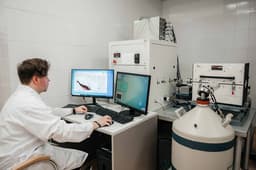
The chemical-technological cluster of the scientific division of Rosatom State Corporation has developed a technology for extracting lithium carbonate, cobalt sulfate, and nickel from spent lithium-ion batteries. Technological solutions are already ready for the implementation of methods for their extraction on an industrial scale.
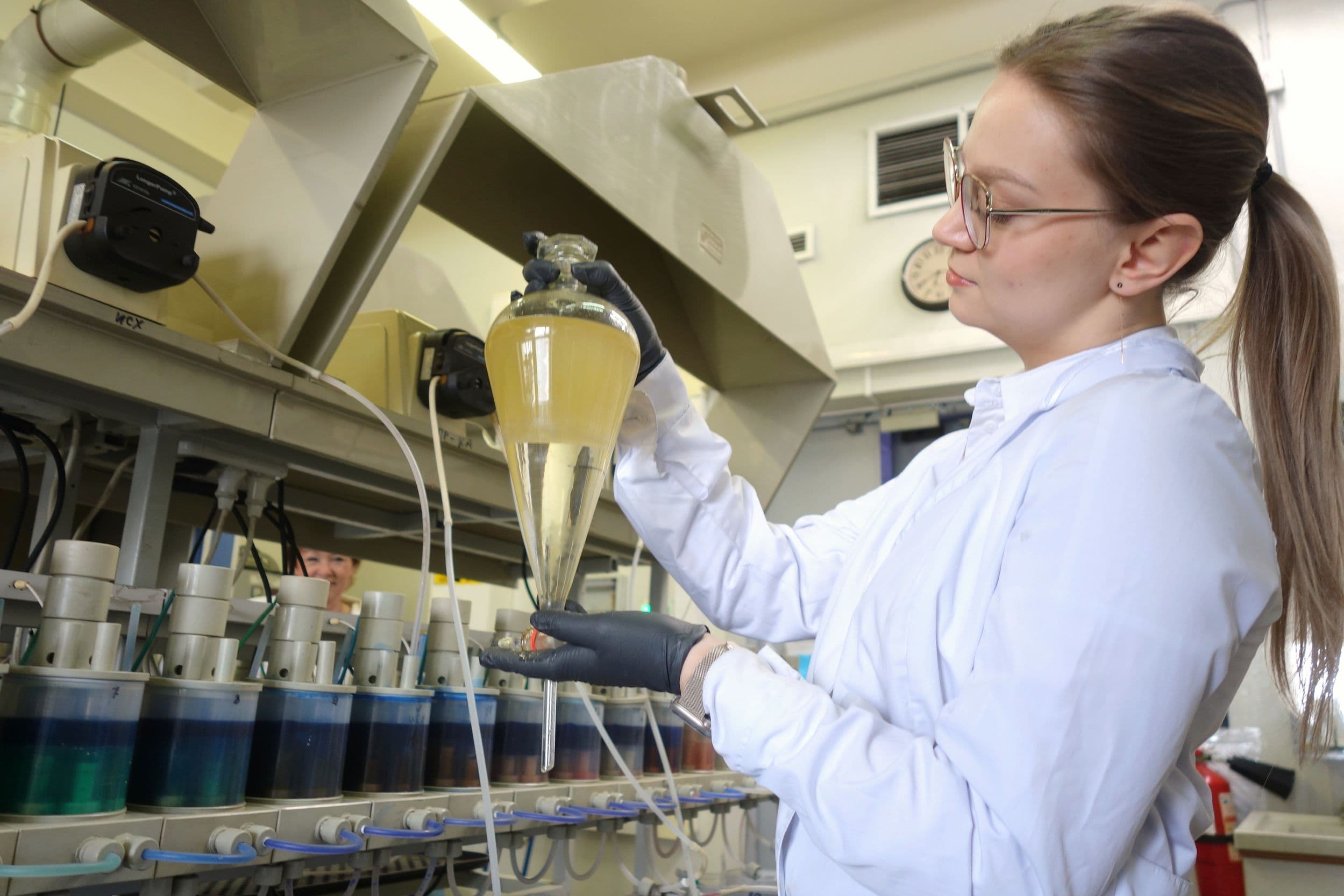
According to the state corporation, the invention will reduce the costs of industrial production of electronic equipment and increase environmental safety.
The number of spent lithium-ion batteries is constantly growing. It is expected that by 2030, the annual generation of electricity through such batteries in the world will reach 3.5 terawatt-hours, exceeding the current level by more than three times. Given the active development of electric transport in Russia, this problem will soon become very acute for our country as well. In addition to the environmental aspect, the processing of lithium-ion batteries opens up unique opportunities for businesses to extract valuable metals. Through hydrometallurgical processing, it is possible to extract commercially valuable metals, the reserves of which are limited in the world — cobalt, nickel, lithium.
JSC "Giredmet named after N. P. Sazhin" and JSC "VNIICHT named after B. N. Laskorin" have already received samples of the necessary high-purity non-ferrous metal salts of battery quality. They can be used in production.
A separate production technology was developed for the extraction of lithium carbonate. However, it was not entirely suitable for the extraction of high-purity cobalt and nickel from solutions of spent lithium-ion batteries. For them, scientists assembled and put into operation special extraction equipment containing 88 stages of metal purification.
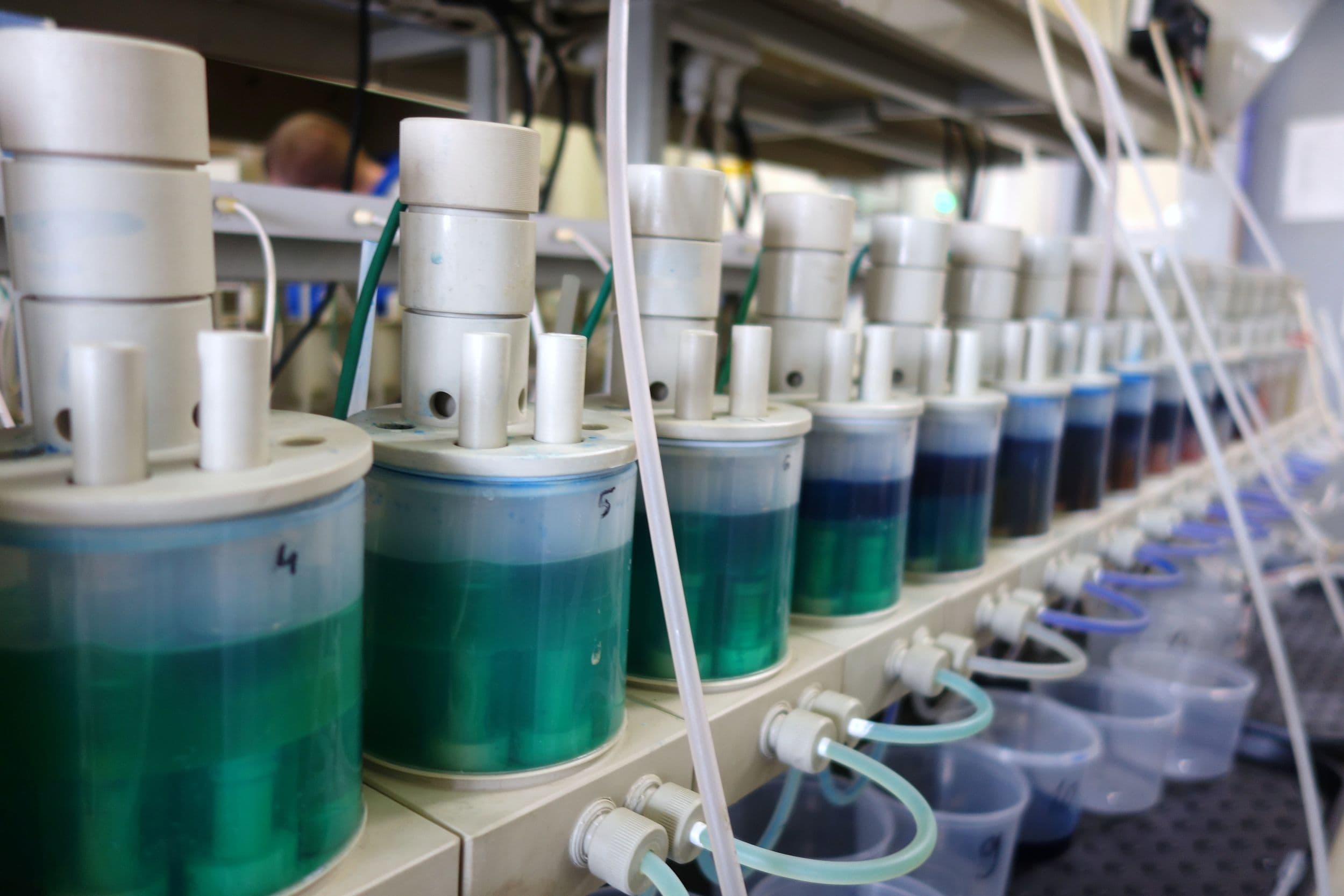
Specialists are also conducting scientific research on the extraction and separation of elements with similar properties "in the interests of external customers".
Earlier this year, the mining division of Rosatom presented a new technology for extracting rare earth metals from loparite concentrate. Niobium, tantalum, titanium, cerium, lanthanum, neodymium, praseodymium, and a concentrate of the medium-heavy group of rare earth elements, which Russia receives as a result of the application of the technology, provide import independence in this direction.
Read materials on the topic:
Russia will increase the production of ultra-strong wires for space and electronics fivefold
21 sets of RD-191 engine components and assemblies are ready for Russian Angara rockets