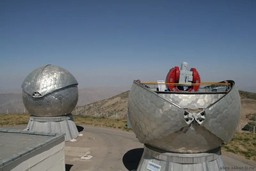
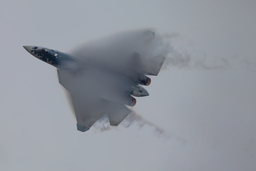
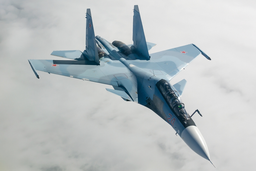
Russian electronic warfare (EW) systems are effective against ground-launched small diameter bombs (GLSDB), which are launched from ground-based multiple launch rocket systems (MLRS) M270 and M142 HIMARS. This was reported by the Western agency Reuters, citing informed sources.
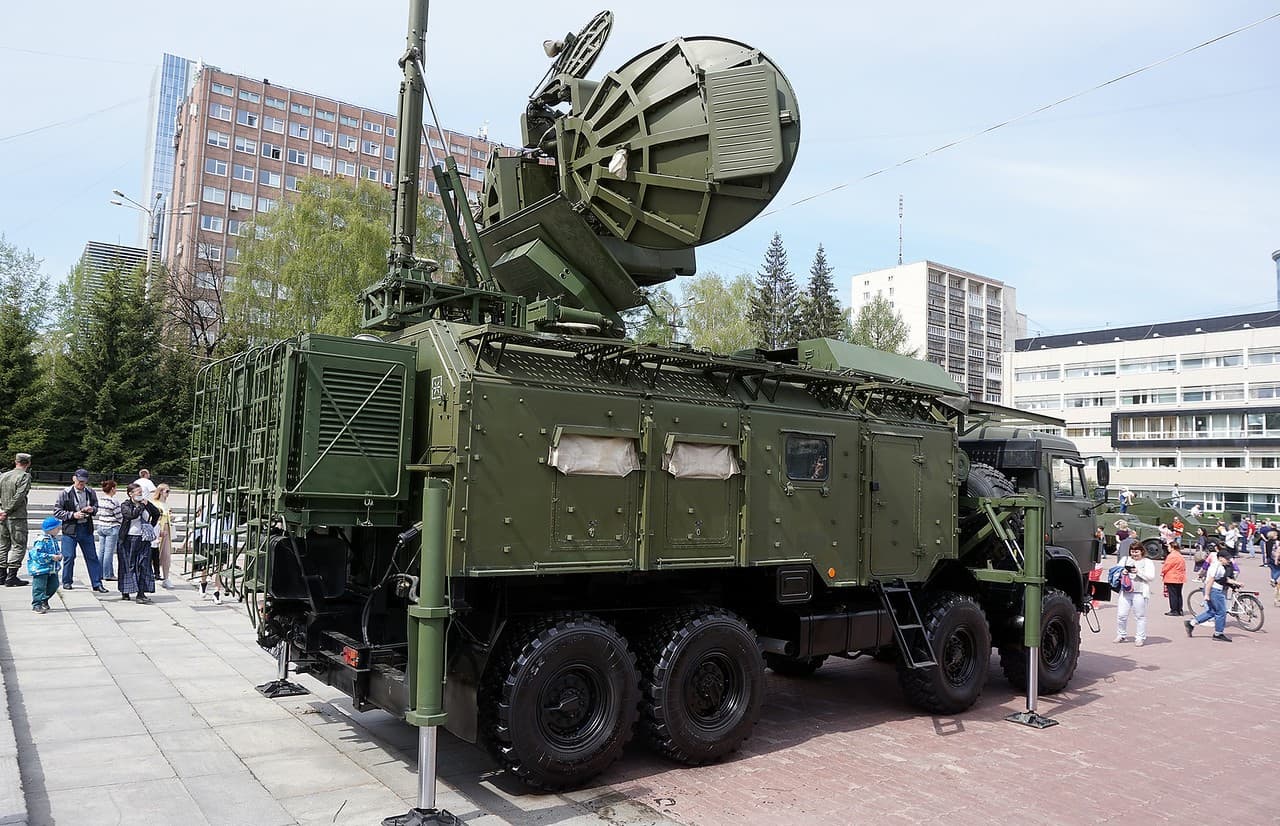
According to the publication, the EW systems of the Russian Armed Forces "interfered with GLSDB bombs" from hitting their intended targets by creating interference.
The GLSDB navigation system, which allows the bomb to bypass obstacles such as mountains and missile defense systems, has been subjected to Russian interference.
Representatives of Boeing, which is one of the developers of the bomb, claim that their weapons are capable of suppressing some of the interference. However, a Reuters source doubted this, emphasizing that it would take months to refine the GLSDB.
Interference occurs when a huge amount of energy is transmitted into a specific area, suppressing the signal of the device.
The GLSDB bomb is a development of Boeing and Saab. The gunsmiths modified the GBU-39 bomb by adding a rocket engine to it. It was also adapted for launch using MLRS.
Characteristics of GLSDB:
- radius of destruction is 150 km
- accuracy of hit is up to 1 m
- launchers — M270, HIMARS, Chunmoo