Russian specialists have tested the Cactus unmanned robotic minelaying platform in the Belgorod region. The module was developed on the basis of domestic lunar rovers and the American Mars rover Curiousity, said the product developer with the call sign Chef.
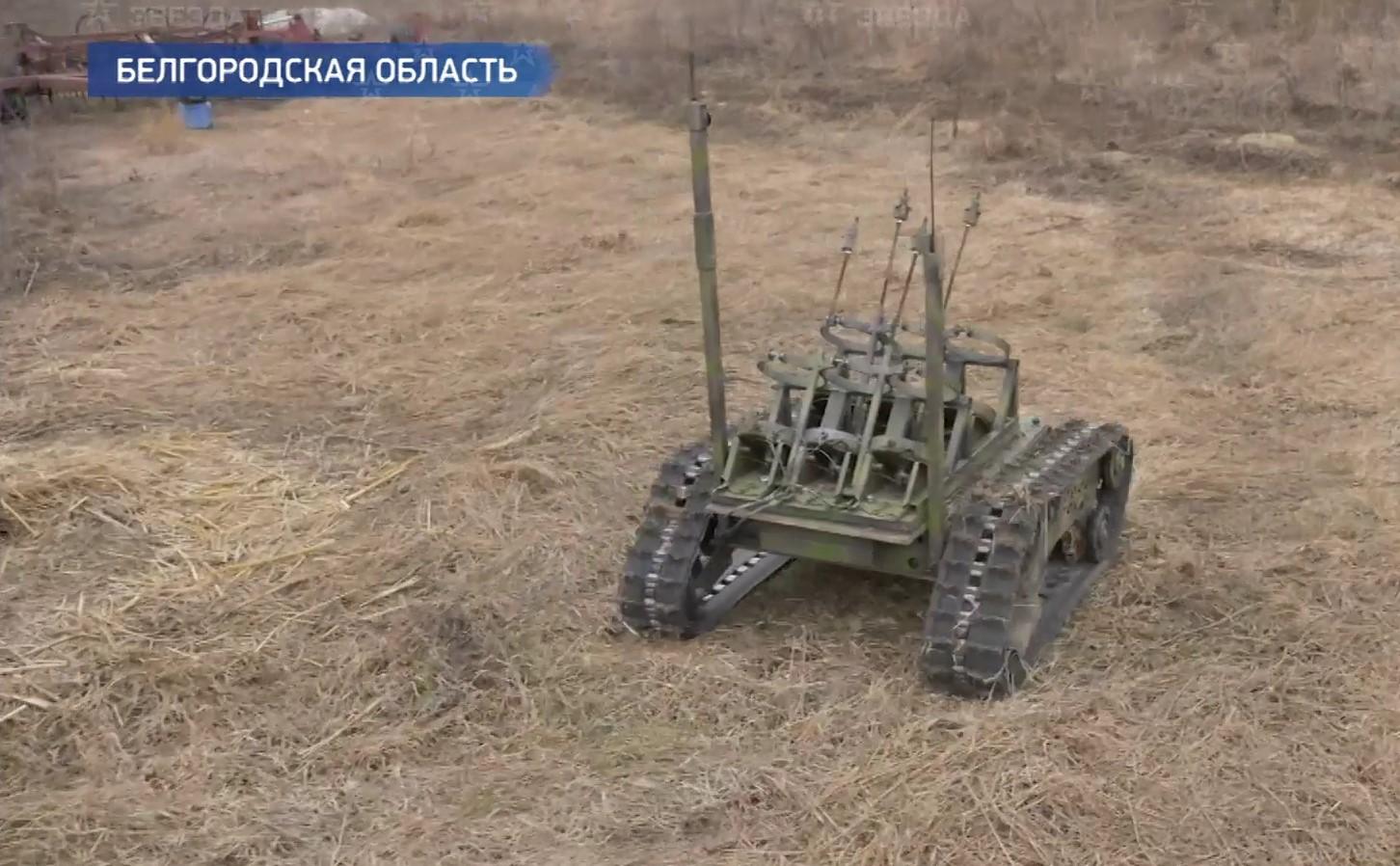
It is based on an independent articulated suspension, which ensures high cross-country ability.
The "Cactus" has tracked and wheeled versions. Its weight, depending on the configuration, is 60-100 kg. The remotely controlled module has a wide range of applications.
Functions of the Cactus robotic platform:
- mine laying
- defeating the enemy with machine gun fire
- delivery of ammunition
- demining
According to Chef, engineers are now working on a demining attachment that can be installed on the "Cactus", as well as on the creation of a mine trawl. This will help in the humanitarian demining of territories.
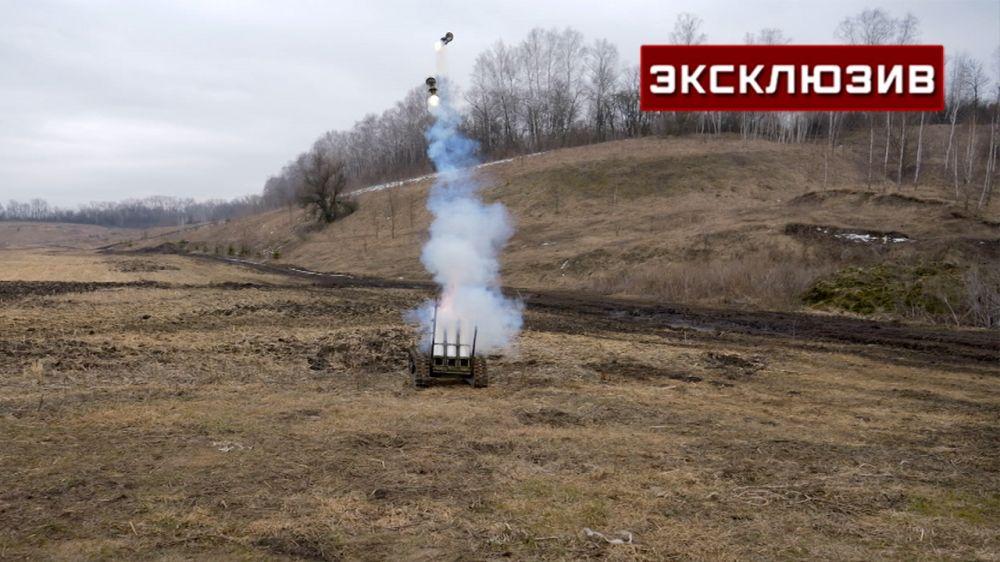
The "Cactus" can transport 6 engineering cassette munitions with 4 anti-personnel mines each. It is capable of mining an area the size of a football field, while the operator is 2 km away from the device.
What else is known about the "Cactus"
One of the functions of the robotic platform is shooting "needles" with POM-2 anti-personnel fragmentation mines. "Cactus" does the work that is usually done by two or three sappers.
Thanks to its design and ground clearance of 20 cm, the module can easily move on a dirt road and field. It can also overcome obstacles up to 45 cm high.
Read more on the topic:
"Argo" has developed the "Turtle" ammunition delivery robot
KB "Spektr" is working on the "Yozhik-M" minelaying robot
Russian venture funds are interested in MilitaryTech
Never miss our newsAdd this site to your preferred sources to see us more oftenAdd on Google

















