Pilots of Russian Mi-28N "Night Hunter" attack helicopters, which are produced by specialists of PJSC Rostvertol, have successfully mastered a new combat specialty — the destruction of enemy drones.
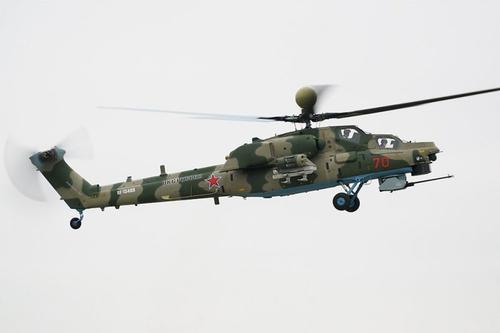
The combat mission is carried out by an onboard cannon. Mi-28N are armed with 2A42 guns (caliber 30 mm, Soviet automatic cannon designed by A. G. Shipunov and V. P. Gryazev), located in the bow in NPUU-28 mobile installations.
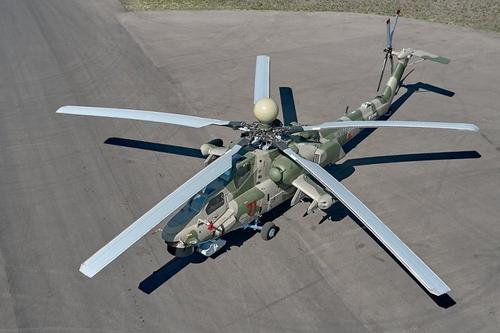
Characteristics of the 2A42 gun of the Mi-28N helicopter:
- Ammunition — 250 rounds
- Rate of fire — up to 550 rounds per minute
- Initial speed — 970 m/sec
- Firing range against air targets — up to 2.5 thousand m
- Type of projectiles — high-explosive fragmentation and armor-piercing
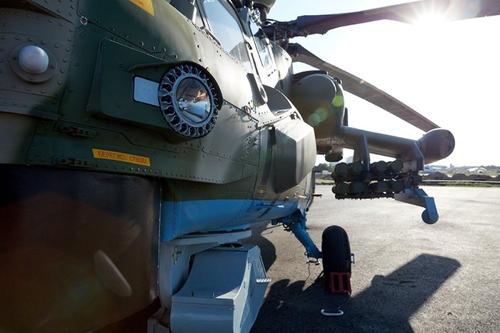
Attack helicopters are also equipped with sighting equipment, with which you can detect the enemy day and night. In addition to the 2A42 cannon, drones are also destroyed by Igla-V missiles. This functionality has made the Mi-28N a universal drone killer.
Earlier in Russia, the first Ka-226T transformer helicopter appeared.
Now on home
By 2028, the company plans to assemble up to 40,000 devices annually
Gagarin Cosmonaut Training Center has expanded access to selection and for the first time began using AI to analyze candidates' documents
The vehicle is equipped with a computerized fire control system and is capable of firing 10 rounds per minute
The defendant in the criminal case deliberately concealed the sending of technical documentation to a foreign customer
A joint group of developers, commissioned by the state, is making a replacement for Keysight and AWR
Moscow Combined Arms Command School has developed a modular tracked platform for reconnaissance, mining, and fire support in all conditions
State Duma Deputy Anton Nemkin: VPNs can collect personal data and transfer it to third parties
Krasnoyarsk scientists have combined satellites, stratospheric platforms, and ground towers into a single network with algorithms three times faster than global standards
The former cold section, worth 790 million rubles, has become a warm complex - now aircraft are not transferred to other regions for maintenance
The ship will be sunk in the Pacific Ocean, and its place will be taken by Progress MS-33
The company expects to continue operating even with mobile communication restrictions

















