Two major Russian developers of solutions related to the development of hydrogen transport, KamAZ and AFK Sistema, have signed a cooperation agreement.

Together, they will develop and manufacture hydrogen-powered trucks, warehouse equipment, water buses-electric boats, mobile hydrogen refueling stations, electrolyzers, and other products related to eco-transport. In addition, KamAZ and AFK Sistema are undertaking the training of personnel for the development of hydrogen technologies and electric transport in Russia.
KamAZ has been developing hydrogen transport since 2021. KamAZ already has its first hydrogen bus. This is the KAMAZ-6290 presented at the Comtrans-2021 International Commercial Vehicle Exhibition, created on the basis of "This is an electric bus" - KAMAZ-6282 electric bus.
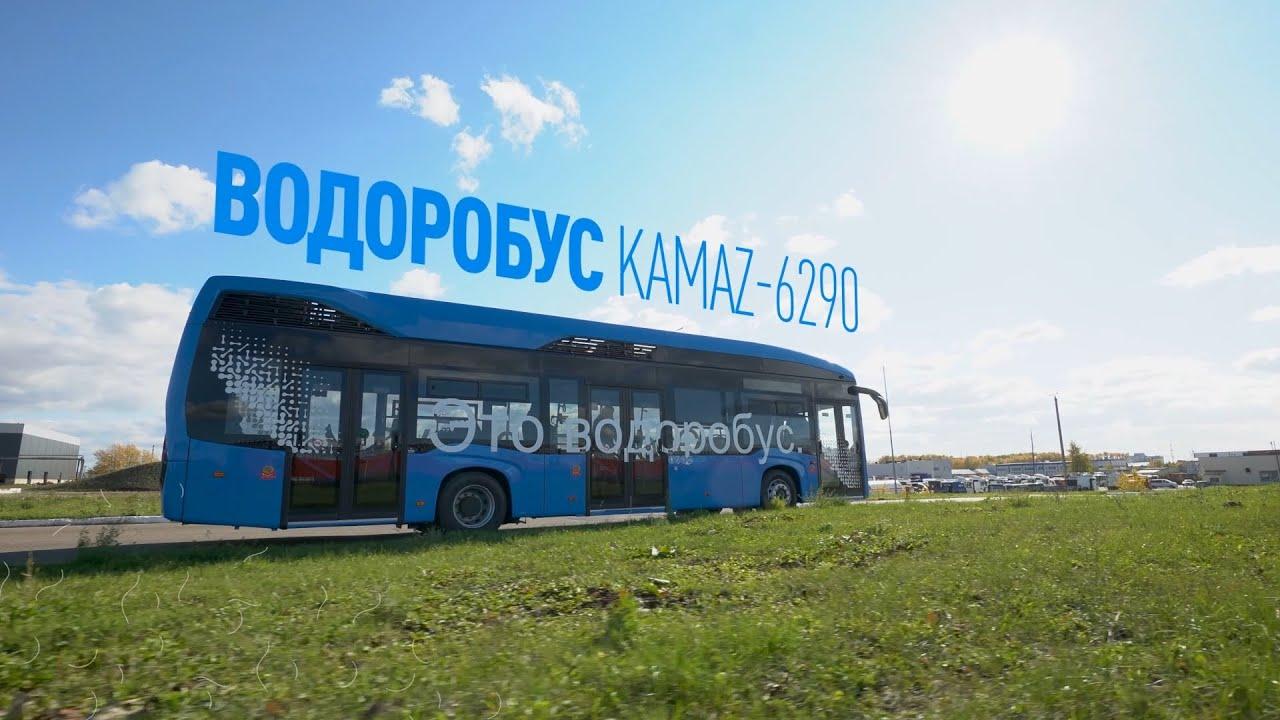
Its range after a full battery charge is 70 km. In general, the hydrogen bus can travel 250 km - this means that it can be operated not only within the city, but also for intercity transportation.
It is known that by 2025, KamAZ plans to launch the first hydrogen tractors of the new generation in the K6 series - this is a hydrogen version of the Chistogor truck in several versions. And by 2030, a large hydrogen bus is expected from KamAZ. The concern also announced developments in the lines of hydrogen power output systems, fuel storage systems, and fuel cell modules.
AFK Sistema has been actively working on projects in the field of hydrogen energy since 2022. Belkommunmash and the Hydrogen Technology Center (HTC) of AFK Sistema are already creating a hydrogen truck together. The Hydrogen Technology Center of AFK Sistema also worked with Sitronics Group, its asset: a joint prototype of a hydrogen electric vessel has already been tested on the Neva.
In general, the management of the HTC believes that hydrogen is suitable for large transportation of buses and trucks, vehicles of municipal services, taxis, car sharing. But for private cars, this is a dead end.
Never miss our newsAdd this site to your preferred sources to see us more oftenAdd on Google

















