Translated with AI from the Russian original.
The first results of unmanned technology in Russia in the form of an experimental legal regime in more than twenty regions have borne fruit.
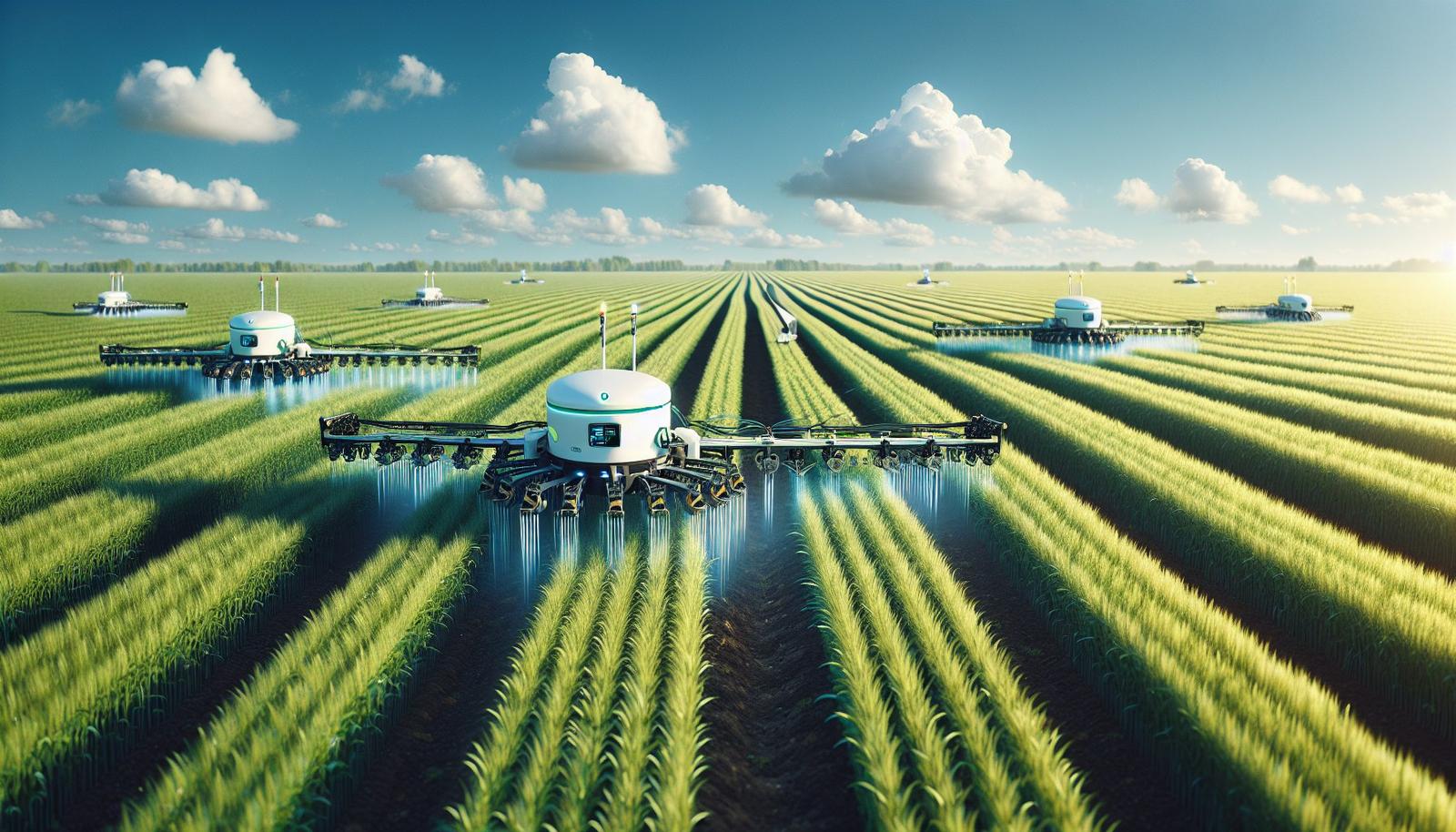
According to the secretariat of First Deputy Prime Minister of the Russian Federation Andrei Belousov, the demand for UAS was highest in the energy sector, agriculture, consumer sector, transport and logistics.
Thanks to drones, it was possible in their entrusted areas to:
● increase labor productivity in agriculture by two times;
● reduce the cost of agrochemicals in agriculture by 13%;
● reduce the risk of accidents by inspecting power lines by eight times;
● reduce the cost of air patrolling of gas pipelines by three times;
● reduce the cost of complex cadastral works by 20%;
● reduce the cost of field work in geological exploration by two times.
Russian unmanned technology will continue to develop. The national project "Unmanned Aircraft Systems" plus five related federal projects have already been adopted. The full texts of the documents that regulate development in this direction will be published in January, which has already begun.
The first drone control systems that have already been developed and are being used are also known. For example, this is the "Jupiter" urban air mobility automation system «Jupiter».
At the same time, Jupiter can control up to 4 thousand drones simultaneously in the air and 6 thousand flight plans. It is not limited in the geography of application.
Never miss our newsAdd this site to your preferred sources to see us more oftenAdd on Google

















