Translated with AI from the Russian original.
The Urban Air Mobility Center of the city of Moscow held a competition for the best technical solution for the system of organizing drone air traffic in the metropolis. The winner was the "Jupiter" complex from Rostec's subsidiary, Azimuth.
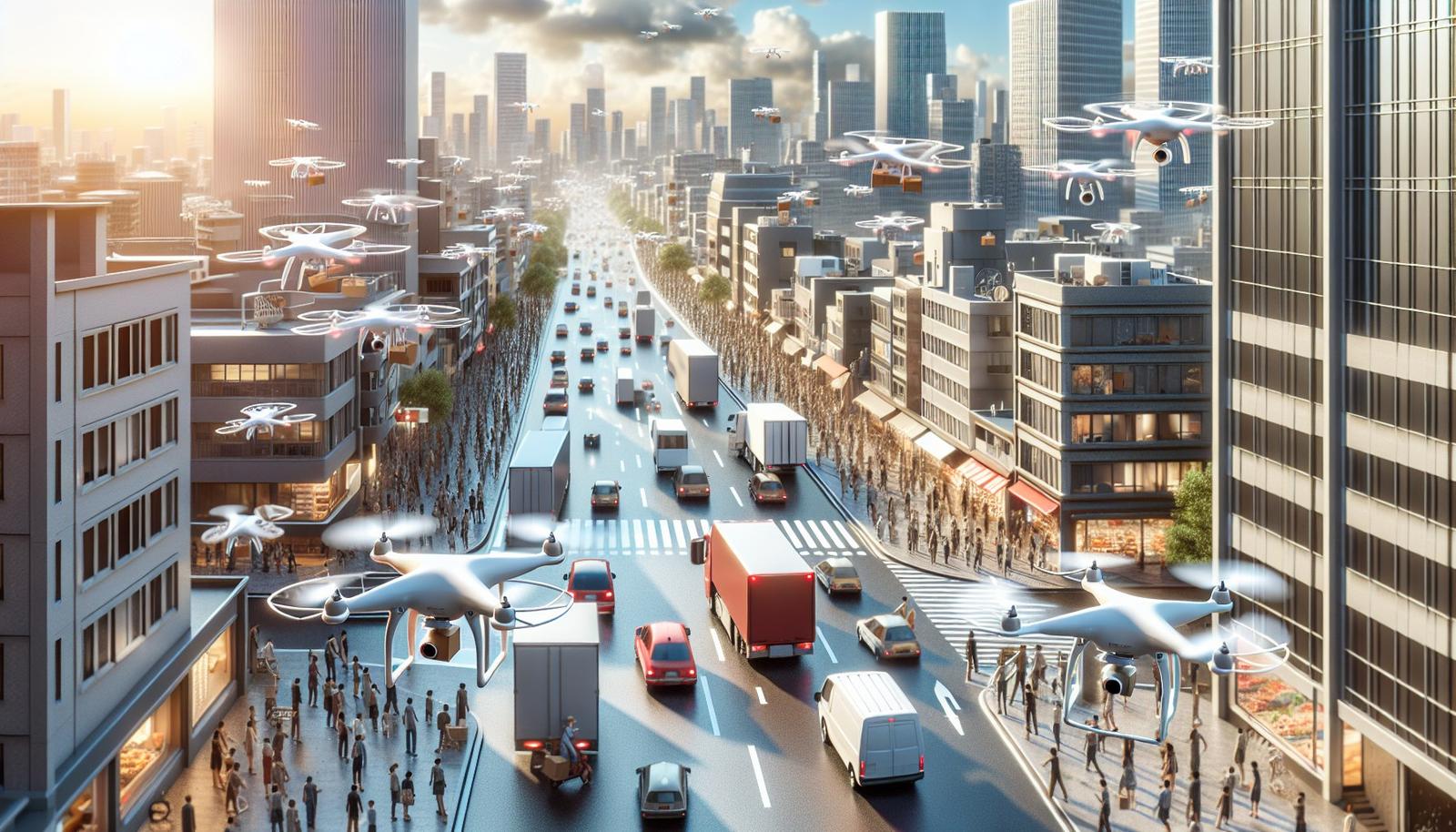
The "Jupiter" urban air mobility automation complex was created on the basis of the Galaktika air traffic control solution certified by Rosaviation, which already successfully operates in the regions of Russia and abroad. At the same time, "Jupiter" can control up to 4,000 drones simultaneously in the air and 6,000 flight plans. It is not limited in the geography of application.
For its operation, "Jupiter" uses specialized data processing algorithms from traditional observation sources, satellite and 4G/5G trackers, radars, and ground drone control stations. It interacts with the subsystems of the Unified Air Traffic Management System, authorized structures, and digital platforms of information service providers.
"Jupiter" is planned to be supplemented in terms of processing 4D trajectories, preventing conflicts in the air, collecting statistics, and assessing the quality of drone piloting.
In the future, this will allow the development of unified echeloning standards and requirements for drones to be allowed to fly over various territories. All new solutions will be fully compatible with the created Unified Integrated System for Planning the Use of Airspace of the operational bodies of the Unified Air Traffic Management System.
Earlier in early December, it became known that the Ministry of Economic Development proposes to make Moscow the flagship for the development of unmanned aircraft systems, and introduce a special experimental legal regime for the use of drones in the city. It will be valid for three years.
Drones will be able to deliver goods weighing from 0.1 to 100 kg and perform a number of other tasks for residents and guests of the capital. For example, aerial surveys with their participation will be allowed: from aerial photography to television and film projects. And utilities will involve fewer people in work related to land reclamation, application of liquid agrochemicals and bulk substances, detoxification of closed water bodies, and aerial distribution of biological objects. These will be performed by UAVs.
Never miss our newsAdd this site to your preferred sources to see us more oftenAdd on Google

















