The journal Physics of Fluids published the results of a new study by Russian scientists: they created a mathematical model that can accurately describe the behavior of plasma and rarefied gases near the surface of solids.
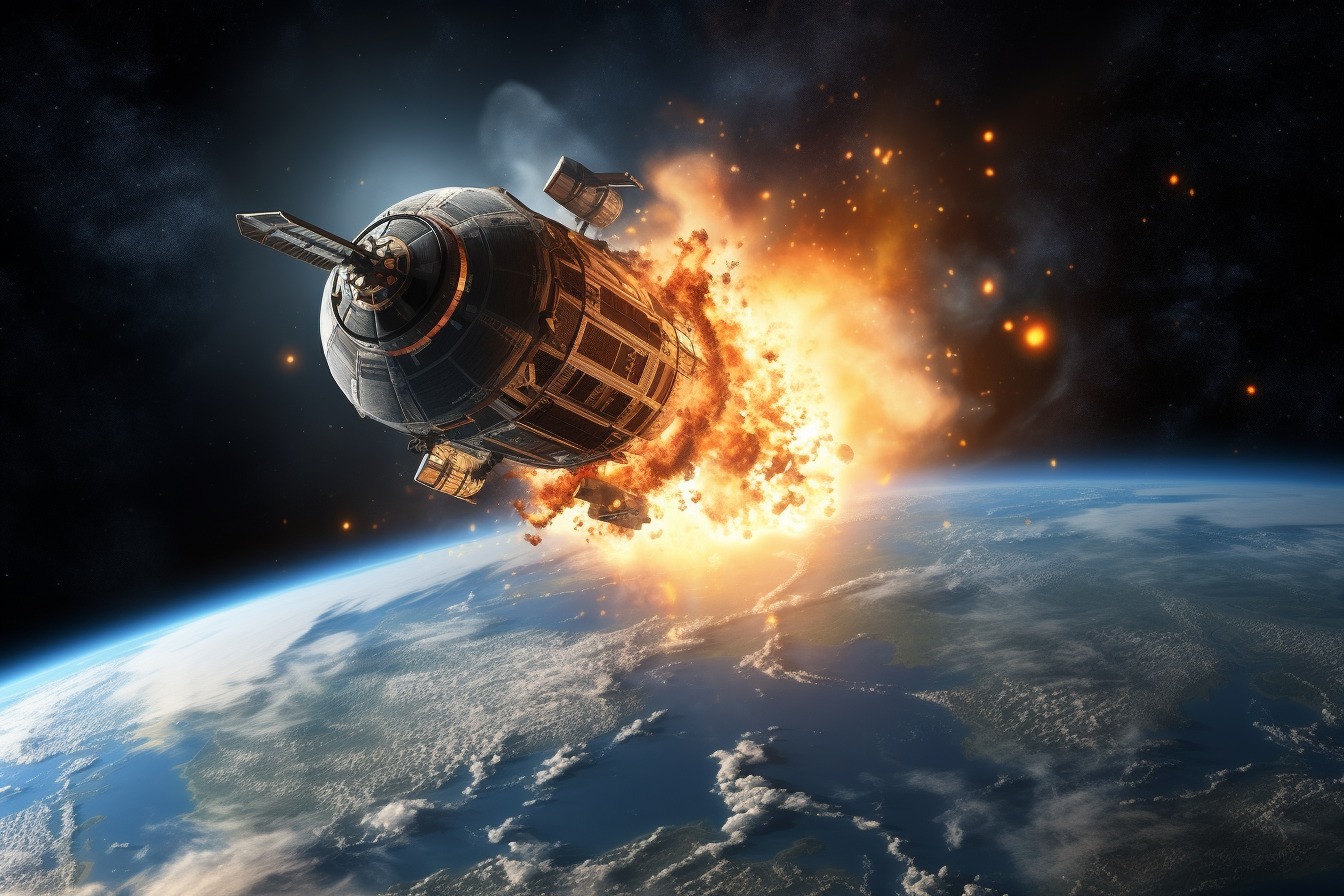
Detailed modeling becomes especially relevant when designing advanced technological devices, such as spacecraft descending into the atmospheres of various planets, rocket engines, and vacuum installations. Our model can be effectively used in these matters and does not require large computational costs.
The new mathematical model is free from the shortcomings of previous similar developments. Thus, it takes into account much more important processes, including the effect of gas slippage and how ions and atoms in these gases interact with each other within the flow, as well as react with the surface of solids.
Using the new model, scientists calculated the nature of the interaction of air with a quartz surface (it is often used to create thermal protection materials). Calculations showed that during braking at an altitude of 85 km, approximately 25% less heat is released than indicated by the results of calculations using other mathematical models.
This data will help designers of spacecraft, return capsules, and other systems experiencing high thermal loads to choose the optimal thickness, shape, and other properties of thermal protection.